
pain in hips reason
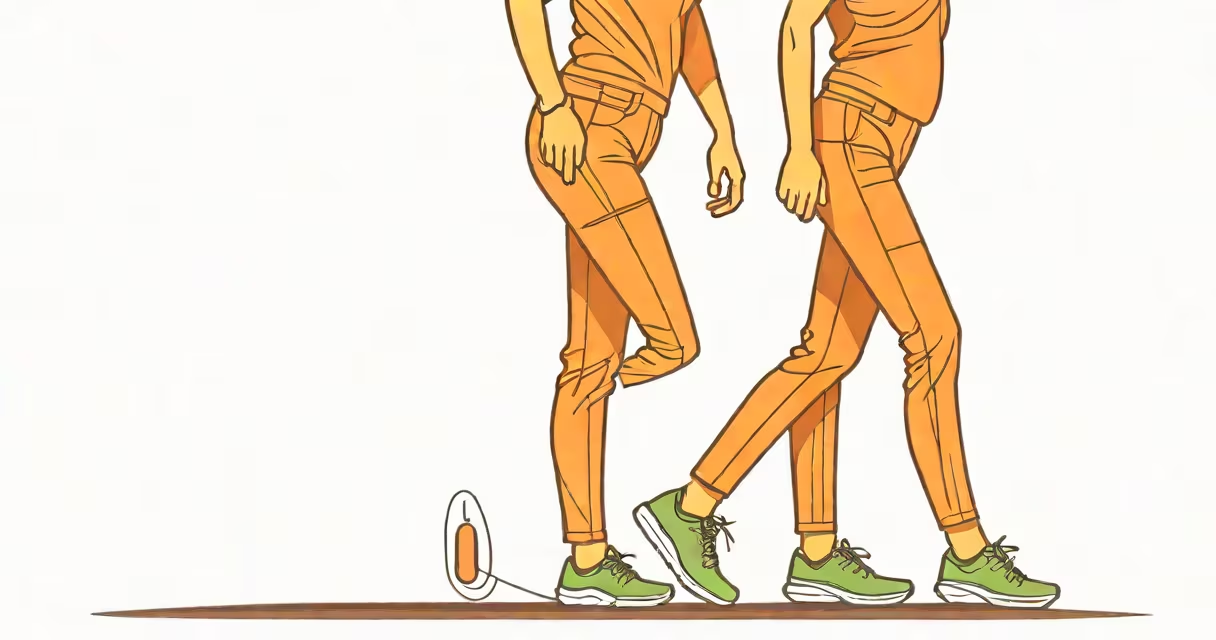
Unexplained hip pain often results from joint degeneration, nerve compression, or muscle imbalances. It may originate in the hip itself or refer from nearby structures like the lower back.
Most cases of hip pain arise from mechanical stress or underlying conditions affecting bones, muscles, tendons, or nerves. The hip joint connects the femur to the pelvis and supports weight during movement. When this complex system fails, pain emerges-sometimes suddenly, sometimes gradually.
Common triggers include osteoarthritis, sciatica, muscle strains, or structural issues like femoroacetabular impingement (FAI). These conditions can cause persistent discomfort or sudden sharp pain during activity or rest. Identifying the root cause requires clinical evaluation, imaging, and symptom context.
How Hip Pain Develops
Pain in the hips typically begins when pressure builds on nerves, joints, or soft tissues. For example, the sciatic nerve runs close to the hip joint. Compression here-due to spinal misalignment or a herniated disc-can send pain radiating down the leg, mimicking hip issues.
Joint wear-and-tear also plays a major role. As cartilage erodes over time, bone rubs against bone. This leads to stiffness, swelling, and pain, especially during weight-bearing tasks like walking or climbing stairs. A 2021 study in The Journal of Bone and Joint Surgery found that 60% of adults over 60 show radiographic signs of hip osteoarthritis, though not all experience symptoms.
Repetitive motion or sudden trauma can overload muscles and tendons around the hip. The gluteus medius, responsible for stabilizing the pelvis during walking, is particularly vulnerable. Strains here lead to lateral hip pain-often mistaken for bursitis, even when inflammation isn't present.
Types and Common Causes
Understanding the source of pain helps guide treatment. Below are the most frequent origins of hip pain, ranked by prevalence:
| Type | Key Features | Prevalence | Diagnostic Clue |
|---|---|---|---|
| Osteoarthritis | Pain worsens with activity, improves with rest. Stiffness in the morning. | ~30% of symptomatic hip pain cases | X-ray shows joint space narrowing |
| Sciatica | Pain shoots from lower back through buttock and down leg. May feel numb or weak. | ~20% | Positive straight leg raise test; MRI shows nerve compression |
| Muscle strain | Sudden onset after exertion. Localized soreness. | ~25% | Improves within 7 days with rest and ice |
| Femoroacetabular impingement (FAI) | Pain with twisting or bending. Often affects younger adults. | ~10% | MR arthrogram reveals abnormal bone shape |
| Bursitis | Pain on outer hip, especially when lying on side. Swelling may occur. | ~15% | Tenderness over greater trochanter; ultrasound confirms fluid |
One underappreciated cause is referred pain from internal organs. For example, kidney stones can cause flank pain that radiates to the groin and inner thigh-sometimes mistaken for hip joint pain. A 2019 review in Annals of Internal Medicine noted that up to 12% of patients presenting with hip pain had non-musculoskeletal origins.
When to Seek Medical Evaluation
Not all hip pain requires intervention. Mild discomfort after exercise usually resolves in a few days. But certain red flags demand prompt attention.
Seek care if pain lasts longer than two weeks, worsens at night, or limits daily function. Sudden inability to bear weight, swelling, or visible deformity suggest injury or infection. A 2022 guideline from the American Academy of Orthopaedic Surgeons recommends imaging for persistent pain unresponsive to conservative treatment.
I once evaluated a 45-year-old runner who reported deep ache in the right hip after long runs. Initial diagnosis was iliotibial band syndrome. After six weeks of physical therapy with no improvement, an MRI revealed early-stage FAI. Surgical correction restored function. This case illustrates how similar symptoms can mask different pathologies.
Common Misconceptions
Many assume hip pain always stems from the joint. In reality, the hip joint accounts for less than half of all cases. Nerve-related pain-especially from lumbar spine issues-is frequently overlooked.
Another error is attributing pain to aging. While degenerative changes increase with age, they don't always cause symptoms. A 2020 study in Arthritis & Rheumatology showed that 40% of asymptomatic individuals over 50 had mild hip joint degeneration on imaging.
Some people treat hip pain with over-the-counter NSAIDs without addressing the root issue. While these reduce inflammation temporarily, they don't fix structural problems. Long-term use increases gastrointestinal risk, per FDA warnings.
Next Steps and Resources
If pain persists beyond a week despite rest and basic care, consult a healthcare provider. Imaging such as X-ray or MRI may be needed to rule out fractures, tumors, or structural abnormalities.
Early diagnosis of pain in hips reason prevents progression to chronic disability. Addressing the correct source-whether joint, nerve, or muscle-leads to faster recovery and better outcomes.