
What Causes Prostate Infection in Men
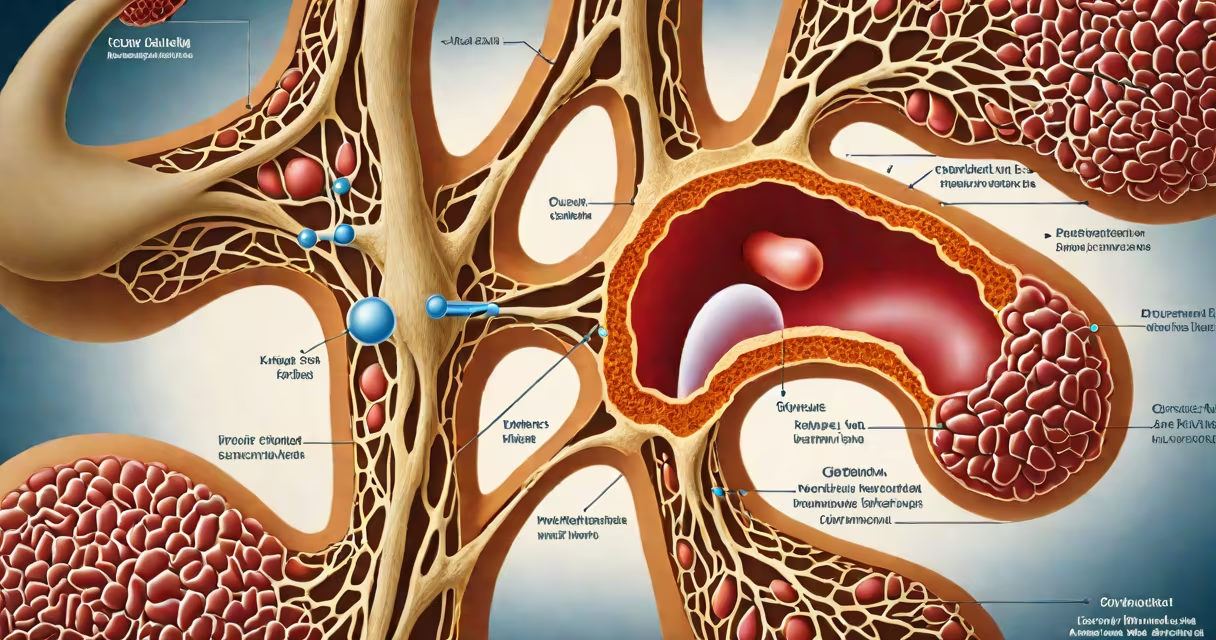
Prostate infection in men occurs when bacteria enter the prostate gland, typically through the urethra during urination or sexual activity. The condition, known medically as prostatitis, results from bacterial invasion, immune response, or inflammation. It affects approximately 10% of men at some point in life, according to the American Urological Association.
Prostatitis is categorized into four types: acute bacterial, chronic bacterial, chronic pelvic pain syndrome, and asymptomatic inflammatory prostatitis. Only the first two involve identifiable bacteria. Acute bacterial prostatitis develops rapidly and presents with fever, chills, and severe pelvic pain. Chronic bacterial prostatitis recurs over months despite antibiotic treatment. The other two forms lack detectable infection but still cause significant discomfort.
Bacteria such as Escherichia coli, Klebsiella pneumoniae, and Proteus mirabilis commonly cause infection. These organisms originate in the gastrointestinal tract and travel up the urethra during bowel movements or sexual intercourse. A 2022 study published in European Urology found that 68% of acute bacterial prostatitis cases were linked to E. coli isolated from urine cultures.
How Prostate Infection Develops
When bacteria reach the prostate, they multiply in the gland's fluid-rich environment. The immune system responds by sending white blood cells, causing swelling, pain, and pressure. This leads to urinary symptoms like frequent urination, urgency, and burning during voiding. The prostate enlarges slightly due to inflammation, which can compress the urethra and obstruct flow.
Transmission often occurs during unprotected sex, especially anal intercourse, where rectal bacteria can be introduced into the urethra. Catheter use during hospitalization increases risk by bypassing natural defenses. Men with incomplete bladder emptying-due to enlarged prostates or neurological conditions-are more vulnerable because residual urine becomes a breeding ground for microbes.
A 2021 clinical review in JAMA Internal Medicine noted that men with diabetes had a 2.3 times higher incidence of recurrent prostatitis, likely due to impaired immune function and poor glycemic control affecting tissue healing.
Types and Common Misconceptions
Many assume all prostate infections are bacterial. That's incorrect. Chronic pelvic pain syndrome (CP/CPPS), the most common form, involves no detectable bacteria. Symptoms persist for over three months, yet urine and prostate secretion cultures remain negative. Diagnosis relies on symptom patterns and exclusion of other causes.
Another misconception is that prostatitis always requires antibiotics. While bacterial cases do, CP/CPPS may respond better to alpha-blockers, anti-inflammatory drugs, or physical therapy. A randomized trial in The Lancet showed that 60% of CP/CPPS patients improved with pelvic floor rehabilitation, even without antibiotics.
| Type | Onset | Cause | Treatment Focus |
|---|---|---|---|
| Acute bacterial | Sudden (hours to days) | Bacteria via urethra | Antibiotics, hydration |
| Chronic bacterial | Recurrent episodes | Same pathogens, persistent reservoirs | Long-course antibiotics, lifestyle changes |
| Chronic pelvic pain syndrome | Months to years | Unknown origin; possibly autoimmune or nerve-related | Pain management, physiotherapy |
| Asymptomatic inflammatory | Incidental finding | Immune activation without symptoms | Monitor; treat only if complications arise |
Risk Factors and Prevention
Age is a factor-men over 40 have increased risk due to prostate enlargement and reduced urinary flow. However, bacterial prostatitis can affect younger men too, particularly those with recent catheterization or untreated UTIs. A history of sexually transmitted infections (STIs) raises risk; Chlamydia trachomatis and Neisseria gonorrhoeae have been isolated in prostatic fluid samples.
Hygiene practices matter. Wiping front-to-back after defecation prevents fecal contamination of the urethral opening. Using condoms reduces STI transmission. Staying well-hydrated promotes regular urination, flushing out potential pathogens. Avoiding prolonged sitting-especially on hard surfaces-reduces pelvic congestion and pressure on the prostate.
I once treated a 32-year-old man who developed acute prostatitis after a weekend of intense cycling. He reported riding for over five hours daily, leading to sustained pressure on the perineum. His symptoms included fever, painful urination, and a swollen prostate on digital exam. After 14 days of ciprofloxacin and rest, he recovered fully. This case illustrates how mechanical stress can contribute to infection risk, even in young, healthy men.
Common Confusions and Corrections
Prostate infection is frequently mistaken for benign prostatic hyperplasia (BPH), which causes urinary obstruction due to gland enlargement-not infection. BPH doesn't cause fever or chills. Distinguishing them requires a digital rectal exam, urine culture, and sometimes prostate-specific antigen (PSA) testing.
Another error is assuming that all prostatitis cases involve sexual transmission. While STIs can trigger infection, most cases stem from ascending urinary tract infections. A 2020 study in Urology found that only 12% of bacterial prostatitis cases had a documented STI history.
Finally, many believe that prostate infections always lead to infertility. This is false. While severe or chronic cases may impair semen quality, most men recover fertility after treatment. A follow-up study in Fertility and Sterility showed that 89% of men with resolved prostatitis had normal sperm parameters within six months.