
My Does My Chest Hurt
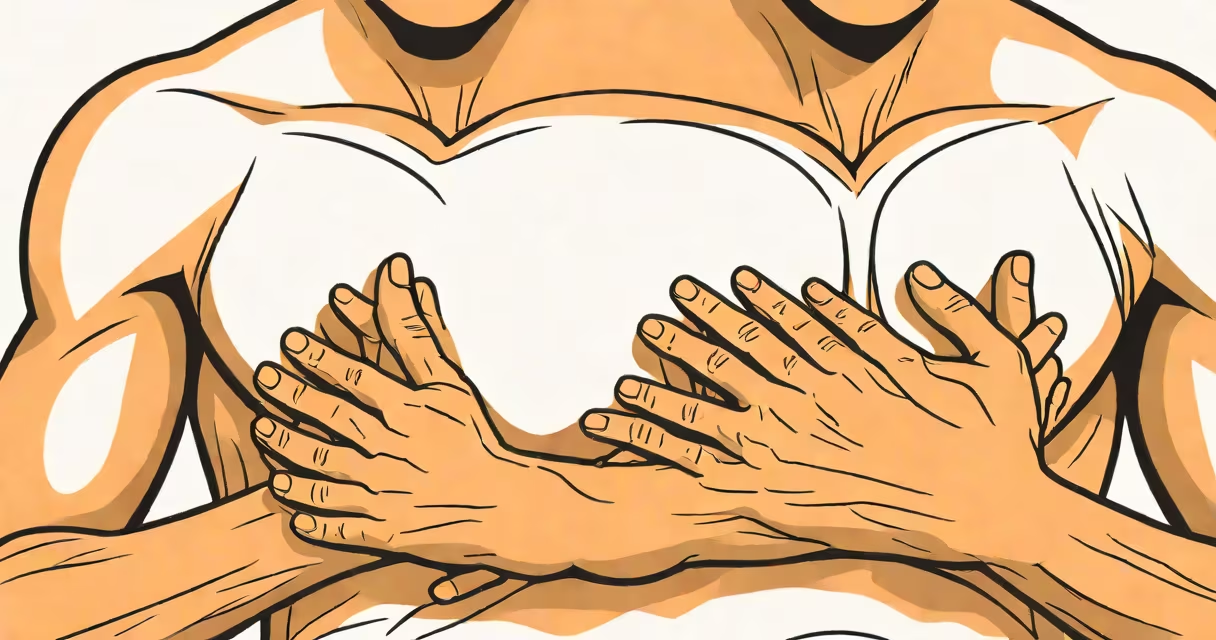
"My does my chest hurt" is a common way people describe sudden or persistent discomfort in the chest area, which may signal anything from minor muscle strain to life-threatening conditions like a heart attack. This sensation can range from sharp and localized to dull and widespread, and its cause varies widely between individuals.
Chest pain is not a single condition-it's a symptom. The brain interprets signals from nerves in the chest wall, lungs, esophagus, and heart. When those signals are disrupted, the result is pain. Not all chest pain is cardiac. Some stems from gastrointestinal reflux, muscle strain, or psychological factors like anxiety. But because the heart shares nerve pathways with other organs, pain from non-heart causes can mimic heart attacks.
According to the American Heart Association, about 20% of heart attack cases in adults involve atypical symptoms, including chest tightness, nausea, or fatigue-especially in women and older adults. The National Institutes of Health notes that nearly half of all emergency room visits for chest pain are ruled out as cardiac events, meaning the cause is non-cardiac. Still, any new or unexplained chest pain requires medical evaluation.
How Chest Pain Works
The chest wall contains muscles, bones, and nerves that send signals to the spinal cord and brain. When pressure, inflammation, or injury affects these structures, the brain registers it as pain. For example, costochondritis-a condition involving inflammation of the cartilage connecting ribs to the breastbone-causes sharp, localized pain that worsens with deep breaths or movement. It's often mistaken for heart trouble but is harmless.
The esophagus runs behind the sternum. Acid reflux can irritate the lining, causing a burning sensation behind the breastbone. This is known as gastroesophageal reflux disease (GERD). A 2021 study in Alimentary Pharmacology & Therapeutics found that 15% of patients presenting with chest pain had GERD as the primary cause, confirmed through pH monitoring.
Heart-related pain arises when blood flow to the heart muscle drops. During a heart attack, blocked arteries starve heart tissue of oxygen. The resulting pain typically feels heavy, squeezing, or crushing, often radiating to the jaw, neck, shoulder, or arm. It usually lasts longer than five minutes and doesn't ease with rest or antacids.
Types and Common Causes
Not all chest pain is equal. The following table outlines key categories, their typical triggers, and diagnostic clues.
| Type | Common Triggers | Typical Sensation | Red Flags |
|---|---|---|---|
| Cardiac | Physical exertion, stress, smoking | Pressure, heaviness, squeezing | Radiates to arm/jaw, lasts >5 min, associated with sweating |
| Anxiety/panic | Stress, caffeine, lack of sleep | Sharp, stabbing, fluttering | Occurs during high-stress moments, resolves with breathing |
| Musculoskeletal | Overuse, lifting, trauma | Localized, worsens with movement | Pain focused on one rib, tender to touch |
| Gastrointestinal | Spicy food, lying down after eating | Burning, pressure behind sternum | Improves with antacids, worsens at night |
One non-obvious distinction: anxiety-induced chest pain often feels like a needle or electric shock, while heart pain tends to be a dull, pressing weight. Anxiety pain may come and go rapidly, sometimes within seconds, whereas cardiac pain builds gradually and persists.
When It's Not Just "My Does My Chest Hurt"
People frequently confuse chest discomfort with panic attacks. I once saw a patient in urgent care who reported "my does my chest hurt" after a stressful work meeting. She described a racing heartbeat, tingling in her hands, and a feeling of impending doom. Her EKG was normal, and she responded quickly to slow breathing techniques. A follow-up visit confirmed generalized anxiety disorder.
That experience taught me that even experienced clinicians can misinterpret symptoms. The American Psychiatric Association reports that up to 30% of patients with panic disorder present with chest pain as their primary complaint. These episodes often last less than 10 minutes and resolve with reassurance and controlled breathing.
Left-sided chest pain raises concern. While many causes are benign-like muscle strain or acid reflux-left-sided pain can indicate coronary artery disease. The Mayo Clinic states that men and women experience different patterns: men more often report central, crushing pain, while women report fatigue, shortness of breath, and vague discomfort. Left chest pain should never be ignored, especially if accompanied by dizziness, cold sweat, or nausea.
What to Do Next
If you're asking "my does my chest hurt," the first step is to assess urgency. Call 911 if pain lasts more than five minutes, spreads to your arm or jaw, or comes with cold sweats, nausea, or difficulty breathing. These are signs of a potential heart attack.
For milder, intermittent pain, track the pattern: when it occurs, what you were doing, how long it lasts, and whether anything relieves it. Keep a log for two days. This helps doctors distinguish between anxiety, musculoskeletal, or digestive causes.
See a healthcare provider if chest pain recurs, disrupts sleep, or limits activity. A doctor may order an EKG, blood tests for cardiac enzymes, or imaging like a CT scan or echocardiogram. For suspected anxiety-related pain, mental health evaluation is recommended.