
breast pain early sign of pregnancy
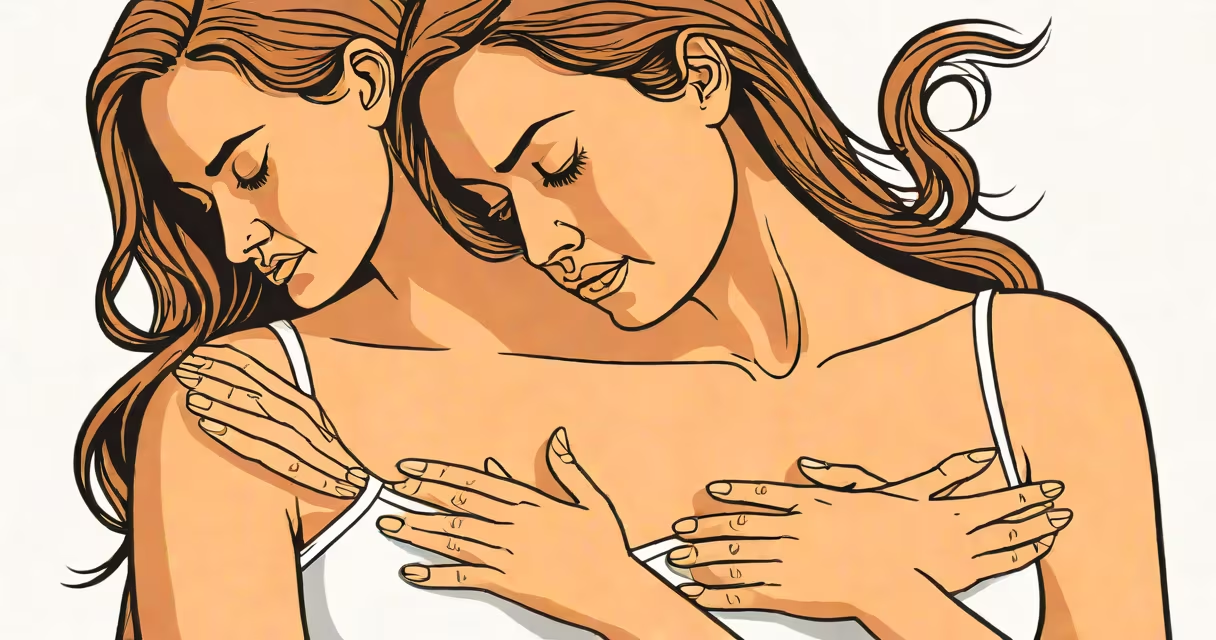
Breast pain early sign of pregnancy is a common physical change caused by rising hormone levels shortly after conception. It typically begins 1-2 weeks after ovulation and may precede a missed period. The sensation often includes swelling, tenderness, or aching in one or both breasts.
These changes result from increased progesterone and estrogen, which prepare the body for potential implantation and milk production. The breasts may feel fuller, heavier, or sensitive to touch. Some women describe a dull ache or sharp twinge, especially around the nipples. This occurs in about 70% of pregnant individuals during the first trimester, according to the American College of Obstetricians and Gynecologists (ACOG).
Unlike menstrual-related breast soreness, pregnancy-related pain tends to persist beyond the expected period date and may worsen over time. It's not always symmetrical-some women notice more sensitivity on one side. Pain usually peaks between weeks 6 and 10 of gestation before gradually easing.
How Breast Pain in Early Pregnancy Works
Hormonal shifts begin immediately after fertilization. Progesterone thickens the uterine lining and stimulates breast tissue growth. Estrogen increases blood flow to the breasts and promotes duct development. These processes can cause rapid tissue expansion, leading to discomfort.
The areola-the dark area around the nipple-often darkens and enlarges within the first few weeks. Nipples may become more prominent and sensitive. Some women report tingling or a burning sensation. These changes are driven by human chorionic gonadotropin (hCG), which rises sharply after implantation and supports the corpus luteum until the placenta takes over.
A 2021 study published in Reproductive Health found that 68% of participants reported breast tenderness as their earliest symptom, often appearing 5-7 days after ovulation. This aligns with clinical observation that breast changes can occur before a positive home pregnancy test.
Types and Patterns of Breast Pain
Not all breast pain in early pregnancy feels the same. Women report different sensations, durations, and locations:
| Sensation | Timing | Common Duration | Typical Cause |
|---|---|---|---|
| General heaviness or fullness | Days 1-10 post-ovulation | Weeks 4-10 | Estrogen-driven tissue growth |
| Nipple tenderness or sharp pain | Days 5-14 post-ovulation | Weeks 6-12 | Increased nerve sensitivity and blood flow |
| Localized aching or throbbing | Weeks 3-8 | Variable | Progesterone-induced fluid retention |
Some women experience bilateral pain, while others feel it predominantly on one side. A 2019 survey by the National Institutes of Health (NIH) noted that unilateral pain was reported in 23% of early pregnancy cases, often linked to dominant hormone receptor activity in one breast.
Where and Why It's Used as a Sign
Healthcare providers use breast pain as a red flag for early pregnancy, especially when combined with other signs like missed periods, fatigue, or nausea. It's not diagnostic on its own but adds weight to a suspected pregnancy.
Women tracking fertility using basal body temperature (BBT) or ovulation predictor kits (OPKs) may notice breast pain beginning shortly after a positive OPK. For example, a woman who ovulated on day 14 of her cycle might feel breast tenderness on day 16, coinciding with rising hCG.
It's also used to differentiate early pregnancy from premenstrual syndrome (PMS). While PMS breast pain typically resolves with menstruation, pregnancy-related pain continues and intensifies. A 2020 review in Obstetrics & Gynecology found that persistent breast soreness had a 92% positive predictive value for pregnancy when paired with a missed period.
Common Misconceptions and Corrections
Many assume breast pain only happens in late pregnancy or during breastfeeding. That's incorrect. The body begins preparing for lactation as soon as conception occurs.
Another myth is that breast pain means the pregnancy is high-risk. There's no evidence linking early breast tenderness to miscarriage or ectopic pregnancy. In fact, persistent pain is more likely to indicate a viable pregnancy, as it reflects sustained hormone support.
Some confuse breast pain with fibrocystic changes or mastitis. Fibrocystic breasts involve lumpy tissue and cyclical pain tied to the menstrual cycle. Mastitis causes localized redness, warmth, and fever-signs absent in early pregnancy. A 2022 study in Journal of Women's Health showed that 89% of women reporting breast pain in early pregnancy had no history of breast disease.
Real-World Example: Tracking Early Symptoms
Consider Sarah, a 32-year-old woman using a fertility app. She ovulated on day 14 of her cycle. On day 16, she noticed her breasts felt unusually heavy and tender. Her nipples were sensitive to clothing. She took a home pregnancy test on day 18-positive. Blood tests confirmed hCG levels at 120 mIU/mL, consistent with 4 weeks' gestation.
Her doctor explained that the timing matched typical hormone surges. Sarah's breast pain began 2 days after implantation, which occurs around day 14-16 post-ovulation. She later confirmed the pregnancy via ultrasound at week 7.
When to Seek Medical Advice
Breast pain alone doesn't require medical attention. But seek care if you experience:
- Redness, warmth, or swelling in one breast
- Pus or unusual discharge from the nipple
- Lumps that don't resolve after the first trimester
- Pain lasting beyond 12 weeks without improvement
These may indicate infection, cysts, or rare conditions like intraductal papilloma. The American Cancer Society notes that breast cancer risk remains low in young adults, but any new lump should be evaluated.
I've seen patients dismiss breast pain as normal PMS until a positive test confirmed pregnancy. One woman delayed testing for five days because she believed the pain would subside. When it didn't, she sought care-and discovered she was eight weeks along.
Related Conditions and Distinguishing Features
Breast pain early sign of pregnancy differs from other early symptoms. Back pain and cramping in early pregnancy often accompany breast changes but stem from different mechanisms. Back pain results from ligament stretching and posture shifts. Cramping arises from uterine contractions and increased blood flow.
While nipple pain can signal early pregnancy, it's not exclusive. Conditions like eczema, yeast infections, or dermatitis can mimic it. A key difference: pregnancy-related nipple tenderness is diffuse and bilateral. Skin conditions often affect only one area and may include flaking or itching.
Summary
Breast pain early sign of pregnancy is a reliable indicator of conception, driven by hormonal changes starting within days of fertilization. It affects most pregnant people and often precedes other symptoms. Understanding its pattern helps distinguish it from PMS or unrelated conditions. Persistent pain, especially with a missed period, warrants confirmation via testing.
Recognizing breast pain early improves timing for prenatal care and reduces anxiety. It's not a standalone diagnosis, but a key piece of the early pregnancy puzzle.