
What Causes Perianal Warts
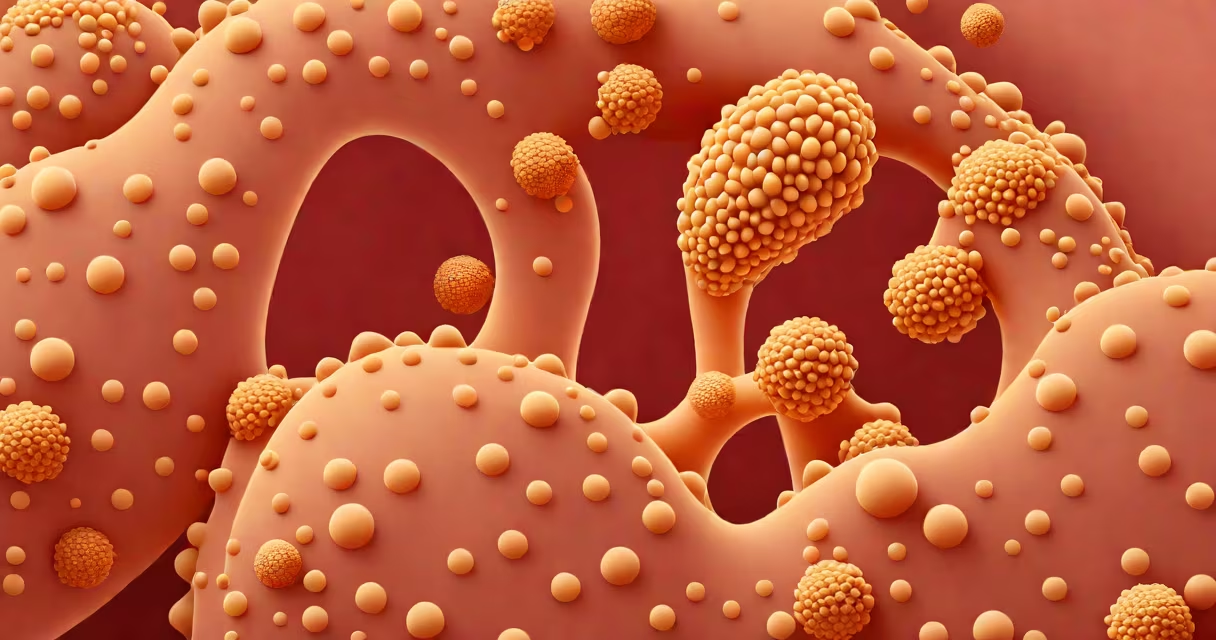
Perianal warts are growths around the anus caused by infection with certain strains of the human papillomavirus (HPV), particularly types 6 and 11. These viruses spread through skin-to-skin contact during sexual activity and lead to benign but visible lesions in the perianal region.
HPV infects the epithelial cells of the skin and mucous membranes. When it enters the outer layer of the anal skin, it triggers uncontrolled cell growth, forming warts. The incubation period ranges from weeks to months, meaning symptoms may not appear until long after exposure. These warts are not cancerous but can cause discomfort, itching, bleeding, or a sensation of something being stuck in the rectum.
According to the Centers for Disease Control and Prevention (CDC), about 79 million Americans are currently infected with HPV, and nearly all sexually active people will contract at least one type of HPV in their lifetime. While many infections resolve on their own, persistent HPV types 6 and 11 are responsible for approximately 90% of genital and perianal warts cases.
How Perianal Warts Develop
Transmission occurs through direct contact with an infected person's skin or mucosal surfaces during vaginal, anal, or oral sex. The virus enters microscopic tears in the skin, often unnoticed. Once inside, HPV replicates within the basal layer of the epidermis, disrupting normal cell division and leading to thickened, raised tissue-warts.
Warts typically start as small, flat, flesh-colored or grayish bumps. Over time, they may grow larger, develop a cauliflower-like texture, and cluster together. They do not go away without treatment and can spread to adjacent areas such as the inner thighs or genitals.
A 2021 study published in Sexually Transmitted Infections found that individuals with a history of multiple sexual partners, inconsistent condom use, or prior STI diagnoses were at higher risk for developing perianal warts. The study emphasized that even asymptomatic carriers can transmit HPV, making partner notification critical.
Types and Variants of Perianal Warts
Perianal warts fall under the broader category of anogenital warts. They differ from other skin conditions based on location, appearance, and etiology. The primary classification is based on HPV strain:
| HPV Type | Prevalence in Perianal Warts | Associated Risk |
|---|---|---|
| HPV 6 | ~50% | Low-grade, benign warts; rarely linked to cancer |
| HPV 11 | ~40% | Same as above; most common cause of recurrent warts |
| HPV 16, 18 | <10% | High-risk; associated with anal dysplasia and cancer |
While types 6 and 11 cause the majority of visible warts, types 16 and 18 are responsible for precancerous changes in the anal lining. This distinction is important: perianal warts themselves are not cancer, but persistent high-risk HPV infection increases the risk of anal squamous cell carcinoma, especially in immunocompromised individuals.
One non-obvious fact: perianal warts can occur in people who have never had anal intercourse. A 2019 review in The Journal of Infectious Diseases reported that up to 30% of patients diagnosed with perianal warts had no history of receptive anal sex. Transmission via autoinoculation-touching the anus after touching genital warts-is a documented route.
Common Misconceptions and Confusions
Perianal warts are frequently mistaken for hemorrhoids, skin tags, or fungal infections. Hemorrhoids are swollen veins in the rectal area and typically cause pain, swelling, and bright red blood during bowel movements. Unlike warts, they do not have a rough, bumpy surface and are not contagious.
Skin tags are soft, flesh-colored flaps of excess skin that form in friction-prone areas. They are harmless and unrelated to viral infection. Fungal infections like candidiasis may mimic warts with redness and itching but lack the characteristic cauliflower shape and are treatable with antifungals.
Another misconception is that warts only appear in people with poor hygiene. This is false. HPV spreads easily through intimate contact regardless of cleanliness. The virus thrives in warm, moist environments, but transmission is not dependent on dirt or sweat.
I once treated a patient who believed his warts were due to constipation. He had been using laxatives and avoiding fiber for years. After a visual exam and biopsy confirmed HPV, he was surprised. "I thought it was my diet," he said. That misunderstanding delayed care for six months.
Treatment and Management
There is no cure for HPV itself, but treatments focus on removing visible warts. Common methods include cryotherapy (freezing), topical imiquimod cream, podophyllotoxin, or surgical excision. In some cases, doctors use infrared coagulation or laser ablation for resistant lesions.
Recurrence rates are high-up to 30% within six months-even after successful removal. This underscores the importance of follow-up care and partner screening. The CDC recommends annual anal Pap smears for men who have sex with men and people with HIV, as early detection of abnormal cells prevents progression to cancer.
Prevention is key. The HPV vaccine (Gardasil 9) protects against nine strains, including 6, 11, 16, and 18. The CDC advises vaccination for all children aged 11-12, though catch-up vaccination is available up to age 26. Studies show a 90% reduction in genital warts among vaccinated populations.
When to Seek Medical Help
See a healthcare provider if you notice new growths around the anus, especially if they bleed, itch, or grow rapidly. Do not attempt home remedies like over-the-counter wart removers-they can irritate sensitive anal tissue and worsen symptoms.
Untreated perianal warts can lead to complications such as fissures, secondary bacterial infections, or psychological distress due to embarrassment. Early diagnosis improves outcomes and reduces transmission risk.
Understanding what causes perianal warts centers on HPV transmission, not lifestyle choices. Accurate diagnosis and timely treatment prevent complications and reduce community spread. Awareness and vaccination remain the most effective tools in controlling this common but often misunderstood condition.