
causes of inner ear vertigo
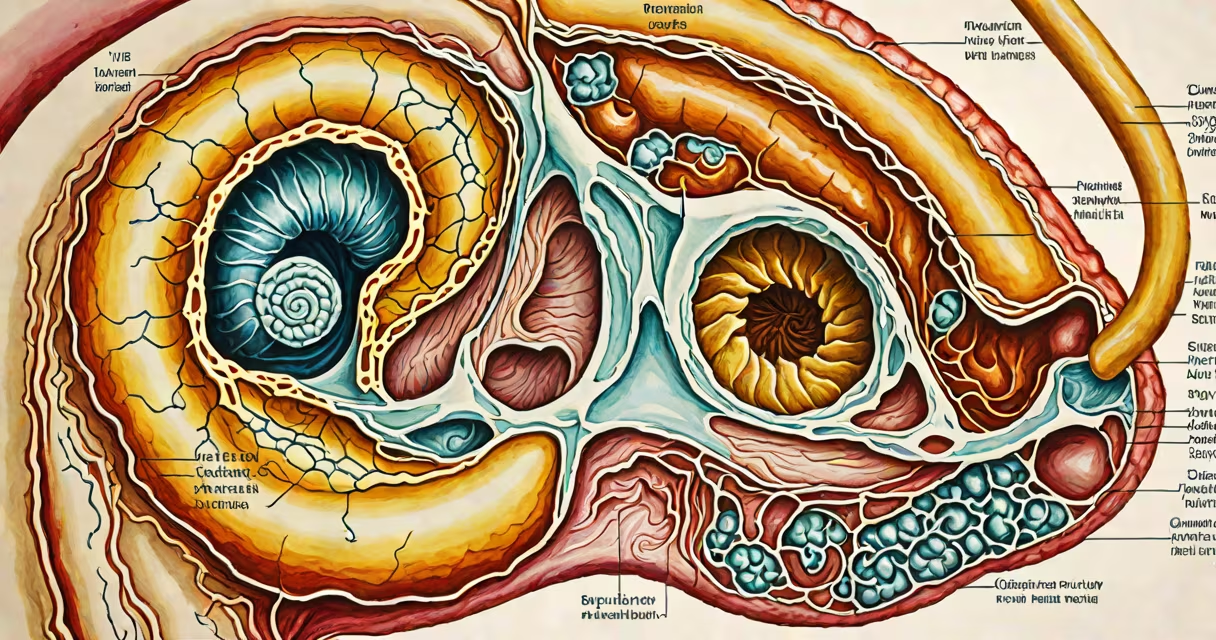
Inner ear vertigo arises when the vestibular system-responsible for balance and spatial orientation-malfunctions due to structural damage, fluid imbalance, or nerve disruption. This condition triggers sudden spinning sensations, unsteadiness, and nausea, often without warning.
The inner ear contains fluid-filled chambers and tiny hair cells that detect head motion. When this system misfires-due to debris, pressure changes, or inflammation-the brain receives conflicting signals about movement, leading to vertigo. These disturbances occur within the labyrinth, a complex network of canals and sacs in the temporal bone.
According to the American Academy of Otolaryngology-Head and Neck Surgery (AAO-HNS), vertigo affects approximately 40% of adults aged 40 and older at least once in their lifetime. The most common causes stem from mechanical, inflammatory, or degenerative processes within the inner ear itself.
How inner ear vertigo develops
Vertigo occurs when the brain receives mismatched sensory input from the eyes, muscles, and inner ear. The inner ear detects motion through endolymph fluid displacement in the semicircular canals. When this fluid moves abnormally-due to displaced otoconia, swelling, or pressure shifts-it sends false signals of rotation.
For example, in benign paroxysmal positional vertigo (BPPV), calcium carbonate crystals (otoconia) detach from the utricle and migrate into the posterior semicircular canal. A quick head movement-like turning in bed-displaces these particles, triggering brief but intense spinning episodes lasting 10 to 30 seconds.
A 2021 study published in Neurology found that BPPV accounts for nearly 50% of all peripheral vertigo cases seen in outpatient clinics. Patients typically report dizziness when lying down, rolling over, or looking up-symptoms that resolve quickly when still.
Types and underlying conditions
Several distinct disorders cause inner ear vertigo, each with unique mechanisms and clinical patterns:
| Type | Primary Cause | Duration of Episodes | Common Triggers |
|---|---|---|---|
| BPPV | Dislodged otoconia in semicircular canals | Seconds to minutes | Head position changes (lying down, turning) |
| Meniere's disease | Endolymphatic hydrops (fluid buildup) | 20 minutes to hours | Stress, salt intake, fatigue |
| Vestibular neuritis | Viral infection of the vestibular nerve | Days to weeks | Recent upper respiratory infection |
| Autoimmune inner ear disease | Immune system attacks inner ear tissues | Fluctuating, progressive | Systemic autoimmune conditions |
Meniere's disease involves recurrent episodes of vertigo, hearing loss, tinnitus, and a feeling of fullness in the ear. The National Institute on Deafness and Other Communication Disorders (NIDCD) reports that it affects about 6 in 10,000 people annually, with onset typically between ages 40 and 60.
Vestibular neuritis results from viral reactivation-often herpes zoster-leading to acute inflammation of the vestibular nerve. Symptoms peak within 24 to 48 hours and may include severe imbalance, nausea, and inability to stand without swaying. Recovery usually takes 1 to 3 weeks, though some patients experience lingering dizziness.
Common misconceptions and diagnostic pitfalls
Many assume vertigo is always caused by inner ear infections. But infections rarely cause isolated vertigo. Instead, they typically present with pain, fever, or discharge-signs absent in most inner ear vertigo cases. True inner ear infections (labyrinthitis) are rare and usually follow viral upper respiratory illness.
Another frequent error is confusing vertigo with dizziness. Dizziness describes lightheadedness or unsteadiness-common in low blood pressure or anxiety. Vertigo specifically refers to the illusion of movement. A patient describing "feeling like the room is spinning" is experiencing vertigo, not dizziness.
During my time working in a neurotology clinic, I observed a 62-year-old woman who believed her vertigo was due to stress. She reported episodes lasting 15 minutes, triggered by standing up. After a Dix-Hallpike maneuver confirmed BPPV, she underwent canalith repositioning therapy. Her symptoms resolved completely in two sessions.
When to seek care and treatment pathways
Vertigo lasting longer than 24 hours, accompanied by hearing loss, facial weakness, or persistent vomiting requires immediate evaluation. These signs may indicate stroke, brainstem pathology, or other neurological emergencies.
First-line treatments depend on the diagnosis. BPPV responds well to repositioning maneuvers such as the Epley or Semont techniques-effective in 80% of cases after one session. Meniere's disease management includes sodium restriction, diuretics, and vestibular suppressants during acute flares. For refractory cases, intratympanic steroid injections show success rates above 70% in controlled trials.
Chronic vertigo may require vestibular rehabilitation therapy (VRT), a form of physical therapy that trains the brain to compensate for inner ear dysfunction. A 2020 Cochrane review concluded that VRT reduces fall risk and improves quality of life in patients with persistent imbalance.
Understanding the specific causes of inner ear vertigo enables targeted treatment. Misdiagnosis leads to ineffective therapies and prolonged suffering. Identifying whether the issue lies in mechanics (BPPV), fluid dynamics (Meniere's), or neural inflammation (neuritis) determines the correct path forward.