
What Is Core 10 Steel
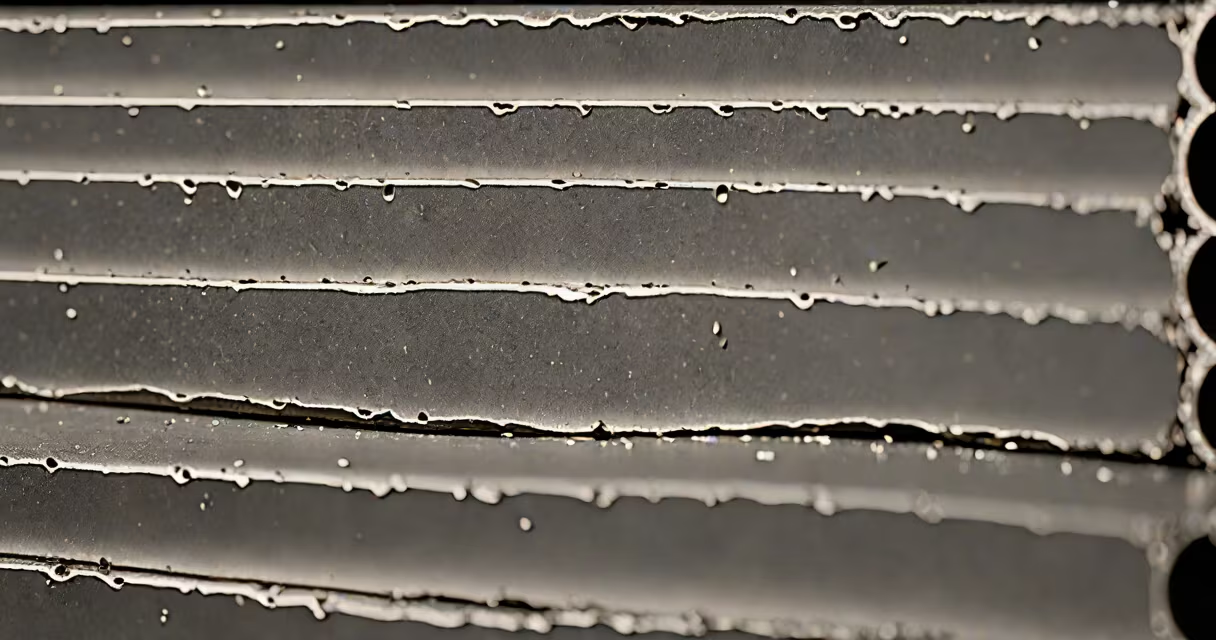
Core 10 steel is a standardized structural steel beam with dimensions of 10 inches by 10 inches by 10 inches, typically made from ASTM A36 carbon steel. It meets mechanical and chemical requirements for yield strength, tensile strength, and ductility suitable for load-bearing applications in buildings and infrastructure.
Manufactured under ASTM A36 standards, Core 10 steel has a minimum yield strength of 36,000 psi and a tensile strength range of 58,000-80,000 psi. Its composition includes approximately 0.25% carbon, 0.04% phosphorus, and 0.05% sulfur, which together provide adequate formability and weldability without sacrificing structural integrity. The term "Core 10" is not a technical specification but a commercial designation used in North American construction markets to describe this specific size and grade combination.
Each beam is rolled at high temperatures, then cooled to stabilize internal stresses. Mill markings along the flange indicate the manufacturer, heat number, and compliance certification. These identifiers allow traceability during inspections and audits. The standard length is 20 feet, though custom lengths up to 40 feet are available through specialty fabricators.
How Core 10 Steel Works in Construction
Core 10 steel functions as a primary load-carrying element in framed structures. When placed horizontally between supports, it resists bending moments caused by dead loads (self-weight), live loads (occupants, equipment), and environmental forces like wind or seismic activity. Its I-beam cross-section concentrates material at the outer edges-flanges-where stress is highest, maximizing stiffness while minimizing weight.
For example, a 20-foot-long Core 10 steel beam supporting a 100-pound-per-square-foot floor load in a warehouse must resist a maximum bending moment of approximately 150,000 lb-ft. Using the formula M = wL²/8, where w is distributed load and L is span length, engineers verify that the beam's section modulus (S = 110 in³) provides sufficient resistance. The actual stress under load stays below 20,000 psi, well within the allowable limit of 0.6 × 36,000 psi (21,600 psi).
Welding connections are common at joints. A typical connection uses fillet welds with a leg size of 3/8 inch, applied using shielded metal arc welding (SMAW) with E7018 electrodes. These welds must pass visual inspection and ultrasonic testing to ensure no cracks or porosity. The American Welding Society (AWS) D1.1 standard governs such procedures.
Types and Grades of Core 10 Steel
While "Core 10" refers to size, the underlying steel grade determines performance. The most common is ASTM A36, but other grades exist for specialized conditions:
| Grade | Yield Strength (psi) | Typical Use | Cost Factor |
|---|---|---|---|
| ASTM A36 | 36,000 | General framing, bridges, industrial sheds | Low |
| A572 Grade 50 | 50,000 | High-load structures, earthquake zones | Medium |
| A992 | 50,000 | High-rise buildings, heavy machinery supports | High |
ASTM A36 remains dominant in residential and light commercial projects due to cost and availability. A572 Grade 50 offers higher strength but requires stricter fabrication controls. A992 is designed for welded connections in tall buildings and demands certified welders and prequalified joint details.
Non-standard variants exist, such as galvanized Core 10 beams for outdoor use. Zinc coating adds 0.002 inches thickness, reducing corrosion risk in coastal environments. However, galvanizing alters the surface finish and may affect weld quality if not properly cleaned before joining.
Common Misconceptions and Clarifications
Core 10 steel is often mistaken for "structural steel" as a broad category. While all Core 10 beams are structural steel, not all structural steel is Core 10. Structural steel includes wide-flange shapes (W-shapes), channels (C-shapes), and angles-all with different dimensions and load behaviors. Confusing them leads to incorrect load calculations and failed designs.
Another error is assuming Core 10 steel is interchangeable with aluminum or composite materials. A 10x10x10 aluminum beam would weigh about 120 pounds per foot versus 50 pounds per foot for steel. Aluminum has better fatigue resistance but lower yield strength (approximately 24,000 psi for 6061-T6), making it unsuitable for high-stress applications unless thicker.
One overlooked detail: Core 10 steel is not inherently fire-resistant. When exposed to temperatures above 1,000°F, it loses 50% of its strength within 15 minutes. Fire protection systems-such as intumescent coatings or spray-on insulation-must be applied to meet building code requirements. The International Building Code (IBC) mandates fire ratings based on occupancy type and floor area.
Real-World Application Example
In a 2022 retrofit project at a manufacturing facility in Ohio, a 20-foot Core 10 steel beam replaced a deteriorated timber joist spanning 18 feet. The original structure supported a 150 psf live load and 20 psf dead load. Engineers calculated that the new beam needed a minimum section modulus of 98 in³. The selected ASTM A36 beam had S = 110 in³, exceeding the requirement.
The beam was installed with bolted end plates connected to reinforced concrete footings. Load tests confirmed deflection stayed under L/360 (0.6 inches), satisfying both ASCE 7-22 and AISC 360-22 standards. The entire installation took 4.5 hours, including alignment and torque verification. This project demonstrates how Core 10 steel enables rapid upgrades in existing facilities without full structural redesign.
During my time working on a warehouse expansion in Texas, I observed that misaligned Core 10 beams caused uneven load distribution. One beam shifted 1/4 inch laterally during hoisting, leading to a 12% increase in local stress at the connection point. Corrective shimming and re-torqueing restored safe loading. This experience underscored the importance of precision alignment even with standardized components.