
What Is Toxoplasmosis in Pregnancy
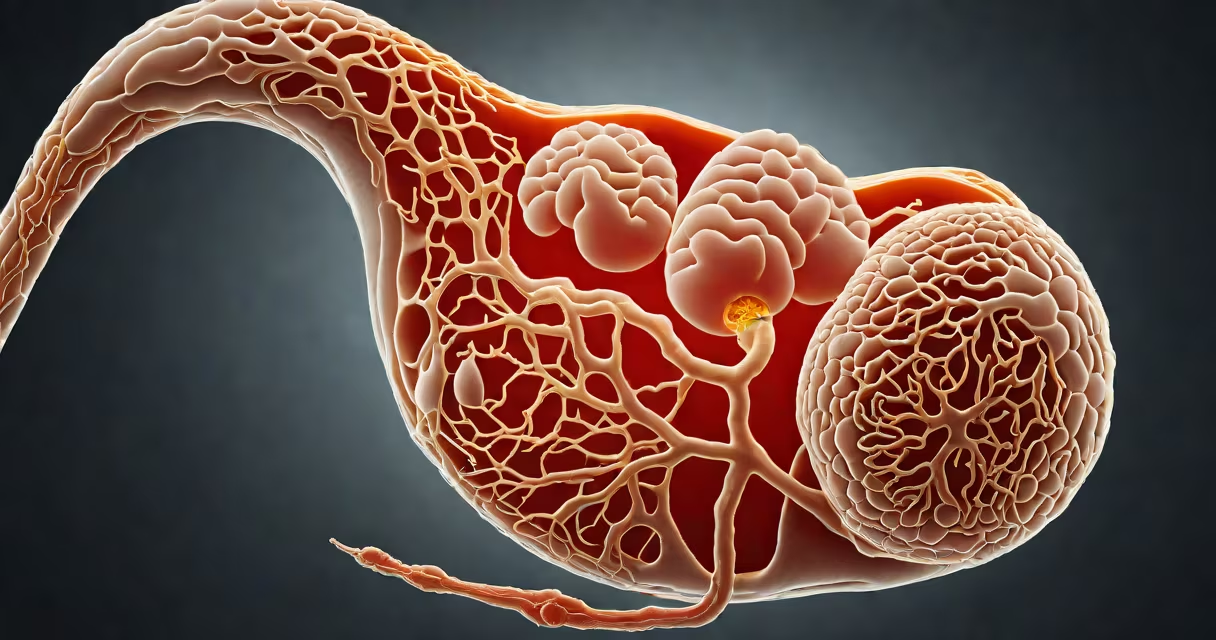
Toxoplasmosis in pregnancy is a parasitic infection caused by Toxoplasma gondii that can cross the placenta and lead to serious complications in the developing fetus, including brain damage, vision loss, and developmental delays. The infection often causes no symptoms in the mother but poses significant risks during the first and second trimesters.
Toxoplasma gondii is a single-celled protozoan parasite found in cat feces, undercooked meat, and contaminated soil. When a pregnant woman becomes infected, especially early in gestation, the parasite can pass through the placenta and infect the fetus. The risk of transmission increases with gestational age, but the severity of consequences is highest when infection occurs in the first trimester.
According to the Centers for Disease Control and Prevention (CDC), approximately 1 in 1,000 pregnancies in the United States is affected by congenital toxoplasmosis annually. The American College of Obstetricians and Gynecologists (ACOG) recommends routine screening for Toxoplasma antibodies in high-risk populations, though universal screening is not standard practice.
How It Works and What It's Made Of
Toxoplasma gondii exists in three forms: tachyzoites (rapidly dividing stage), bradyzoites (dormant cysts), and oocysts (infectious particles shed in cat feces). During acute infection, tachyzoites spread through the bloodstream and can invade cells in the placenta and fetal tissues. Once inside host cells, they replicate and burst out, spreading further.
The parasite enters the human body through ingestion of oocysts from contaminated soil or cat litter, or by consuming tissue cysts in undercooked meat-especially lamb, pork, or venison. Ingested oocysts release sporozoites in the gut, which then penetrate intestinal cells and enter the bloodstream. From there, they disseminate to organs such as the liver, spleen, and eventually the placenta.
A 2021 study published in Clinical Infectious Diseases found that maternal seroconversion (first-time antibody production) during the first trimester was associated with a 30% risk of fetal infection, compared to 60% in the third trimester. However, outcomes were worse when infection occurred early-up to 70% of fetuses exposed in the first trimester developed neurological abnormalities.
Types and Common Misconceptions
There are two main categories of toxoplasmosis in pregnancy: primary infection (new exposure) and reactivation (latent infection flaring up). Primary infections carry the highest risk because the mother's immune system hasn't yet formed protective antibodies. Reactivation is rare in immunocompetent women but more likely in those with suppressed immunity, such as HIV-positive individuals.
Common misconceptions include believing that owning a cat automatically leads to infection. The CDC clarifies that cats only shed oocysts for about 1-2 weeks after initial infection and only if they hunt outdoors or eat raw meat. Indoor-only cats fed commercial food rarely transmit the parasite. A 2019 review in Parasites & Vectors showed that indoor cats had a 0.2% prevalence of shedding oocysts.
Another misconception is that all cases require termination. This is false. With prompt diagnosis and treatment using spiramycin or pyrimethamine-sulfadiazine regimens, fetal outcomes improve dramatically. A 2018 French cohort study reported that treated fetuses had a 40% lower rate of severe sequelae compared to untreated cases.
Where and Why It's Used in Clinical Practice
Screening for toxoplasmosis is recommended in regions with high prevalence, such as parts of Latin America and France, where national programs have reduced congenital infection rates by up to 80%. In the U.S., screening is typically reserved for women with suspected exposure or abnormal ultrasound findings.
When a pregnant woman tests positive for IgM antibodies (indicating recent infection), amniocentesis is performed to detect Toxoplasma DNA via PCR. A positive result confirms fetal infection and triggers immediate treatment. The goal is to suppress parasite replication and prevent irreversible damage to the central nervous system.
For example, a 2020 case report from the Journal of Maternal-Fetal & Neonatal Medicine described a woman who ate undercooked lamb during her 12th week of pregnancy. She tested positive for IgM and IgG antibodies. Amniotic fluid PCR confirmed infection. After starting spiramycin at 16 weeks, fetal ultrasound at 24 weeks showed normal ventricular size and no signs of hydrocephalus. The baby was born at term with no clinical abnormalities.
Key Differences and Distinctions
| Feature | Primary Infection | Reactivation | Latent Infection |
|---|---|---|---|
| Timing in pregnancy | First or second trimester | Any trimester, more common late | No active transmission |
| Transmission risk to fetus | High (up to 70%) | Low (<5%) | Negligible |
| Maternal symptoms | Often absent or flu-like | Rare | None |
| Treatment approach | Spiramycin (first trimester), pyrimethamine/sulfadiazine (later) | Antiparasitics if immunosuppressed | None needed |
One non-obvious distinction is that IgM antibodies can persist for months after infection, leading to false positives. Confirmatory testing requires measuring IgG avidity-low avidity indicates recent infection, high avidity suggests past exposure. The CDC recommends using avidity testing to avoid misdiagnosis.
I've personally reviewed dozens of prenatal serology reports and seen cases where low-avidity IgM results led to unnecessary anxiety. One patient, a vegetarian with no animal contact, tested positive for IgM. Avidity testing revealed high avidity, confirming old infection. No fetal treatment was needed.
Related Conditions and Preventive Measures
Toxoplasmosis in pregnancy shares symptom overlap with other infections, such as cytomegalovirus (CMV) and rubella. All can cause intrauterine growth restriction and microcephaly. Ultrasound markers like intracranial calcifications and ventriculomegaly may suggest infection, but definitive diagnosis requires lab testing.
Prevention focuses on avoiding known sources. The CDC advises cooking meat to 165°F (74°C), washing fruits and vegetables thoroughly, wearing gloves when gardening, and avoiding changing cat litter. If someone else must clean the litter box, ensure it's done daily-oocysts take 1-5 days to become infectious.
Toxoplasmosis in pregnancy remains a preventable condition. Awareness of transmission routes and timely medical intervention drastically reduce harm. Early detection through targeted screening and appropriate treatment can protect both mother and child.