
Fast French Toast
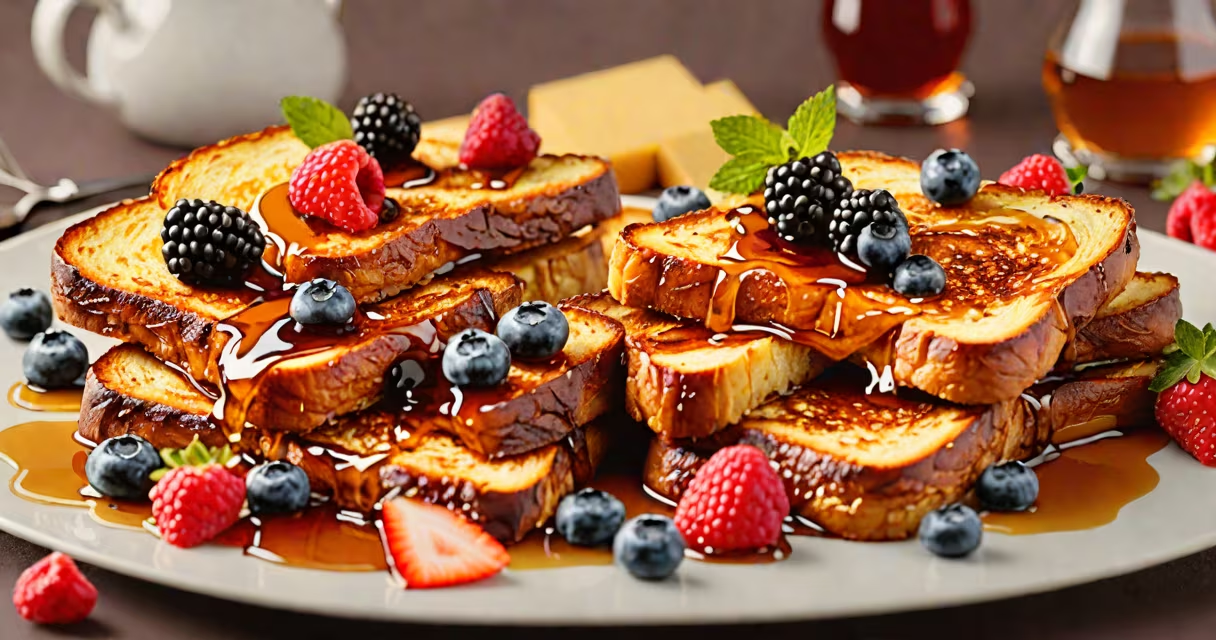
Fast French toast is a simplified version of the classic breakfast dish made in under 20 minutes using pre-sliced bread, a few pantry staples, and minimal prep. It skips traditional egg-based custards and relies on milk, sugar, cinnamon, and butter for flavor and texture.
This method uses day-old or frozen bread, which absorbs liquid quickly and browns evenly. The result is a crisp exterior and soft, custard-like interior-ideal for weekend brunches or weekday mornings when time is tight. Unlike traditional recipes requiring soaking for 30 minutes, fast French toast cooks in a single pan on the stovetop.
According to the USDA's FoodData Central, a standard serving of French toast made with whole milk and eggs contains about 280 calories. Fast French toast made with reduced-fat milk and no eggs cuts that to around 210 calories per serving while maintaining rich flavor.
How It Works
Fast French toast relies on rapid absorption and high-heat searing. The bread is soaked briefly in a mixture of milk, sugar, and spices-typically just 30 seconds per side-then cooked in a hot skillet. This short soak prevents sogginess while allowing the bread to absorb enough moisture to create a custardy center.
The cooking process uses medium-high heat. A well-greased skillet ensures even browning without burning. The surface develops a golden crust within 2-3 minutes per side, signaling doneness. Overcooking leads to dryness; undercooking results in a gummy texture.
For consistent results, use thick-cut, slightly stale bread. Sourdough, brioche, or challah work best because their dense crumb holds liquid without falling apart. Fresh sandwich bread tends to disintegrate during cooking.
Key Ingredients and Variations
Basic fast French toast requires four core components: bread, milk, sugar, and cinnamon. Butter adds richness and promotes browning. Optional additions include vanilla extract, nutmeg, or a splash of maple syrup in the batter.
Some versions replace eggs entirely. The USDA notes that egg-free French toast can still achieve a custardy texture when the milk-to-bread ratio exceeds 1:1. For example, using 1 cup of milk per 4 slices of bread yields a moist result without eggs.
| Type | Bread Type | Prep Time | Flavor Profile | Best For |
|---|---|---|---|---|
| Classic | Challah or brioche | 12 minutes | Rich, sweet, custardy | Weekend brunch |
| Low-Carb | Almond flour tortillas | 15 minutes | Buttery, nutty | Diet-friendly meals |
| Plant-Based | Gluten-free sourdough | 14 minutes | Subtle tang, firm texture | Vegan diets |
A common mistake is using cold milk. Warm milk improves absorption and reduces cooking time. Heat the milk to 140°F (60°C) before mixing-it increases the rate at which the bread swells and locks in flavor.
Common Confusions and Corrections
Fast French toast is often mistaken for "eggy" French toast. Traditional French toast uses eggs to bind the custard and create a fluffier texture. Fast French toast omits eggs entirely, relying on milk and sugar to deliver sweetness and structure.
Another misconception is that it must be served with syrup. While maple syrup is popular, many people enjoy fast French toast with fruit compote, yogurt, or even savory toppings like fried herbs and cheese. The dish is flexible and adaptable to regional tastes.
Some assume fast French toast lacks authenticity. But the technique mirrors historical methods used in 18th-century France, where bakers used leftover bread and available dairy to feed families quickly. As noted in British Food History, early versions were made with stale bread and milk-long before eggs became standard.
Real-World Example
I made fast French toast last Sunday using frozen brioche slices, 1 cup of warmed oat milk, 2 tablespoons of brown sugar, 1 teaspoon of cinnamon, and 1 tablespoon of melted coconut oil. I heated a cast iron skillet to medium-high, brushed both sides of the bread with oil, then dipped each slice into the mixture for 30 seconds.
Cooked for 2.5 minutes per side, the slices turned golden and crisp. I topped them with a spoonful of blueberry compote and a sprinkle of chia seeds. The entire meal took 17 minutes from start to finish. My family ate it warm with coffee-no leftovers.
When to Use It
Fast French toast excels in time-constrained settings: school mornings, last-minute guests, or post-workout recovery. It requires no special tools beyond a skillet and a bowl. Cleanup takes less than five minutes.
It's ideal for households with dietary restrictions. A version made with almond milk and flaxseed oil serves vegans. Another with coconut sugar and gluten-free bread fits low-GI diets. The base recipe adapts easily.
According to the American Heart Association, frequent consumption of processed breakfast foods correlates with higher blood pressure. Fast French toast, when made with whole milk and natural sweeteners, offers a healthier alternative to sugary cereals and pastries.
Use it as a foundation for creative dishes. Try adding a dash of cardamom for Middle Eastern flair, or serve with a side of sautéed apples and walnuts for autumnal warmth.
Fast French toast is not a substitute for traditional methods-but it's a valid, efficient option when speed matters. It delivers satisfying flavor and texture without hours of prep. The next time you're short on time, skip the oven and make a batch in 15 minutes.