
dazed and confused soundtrack
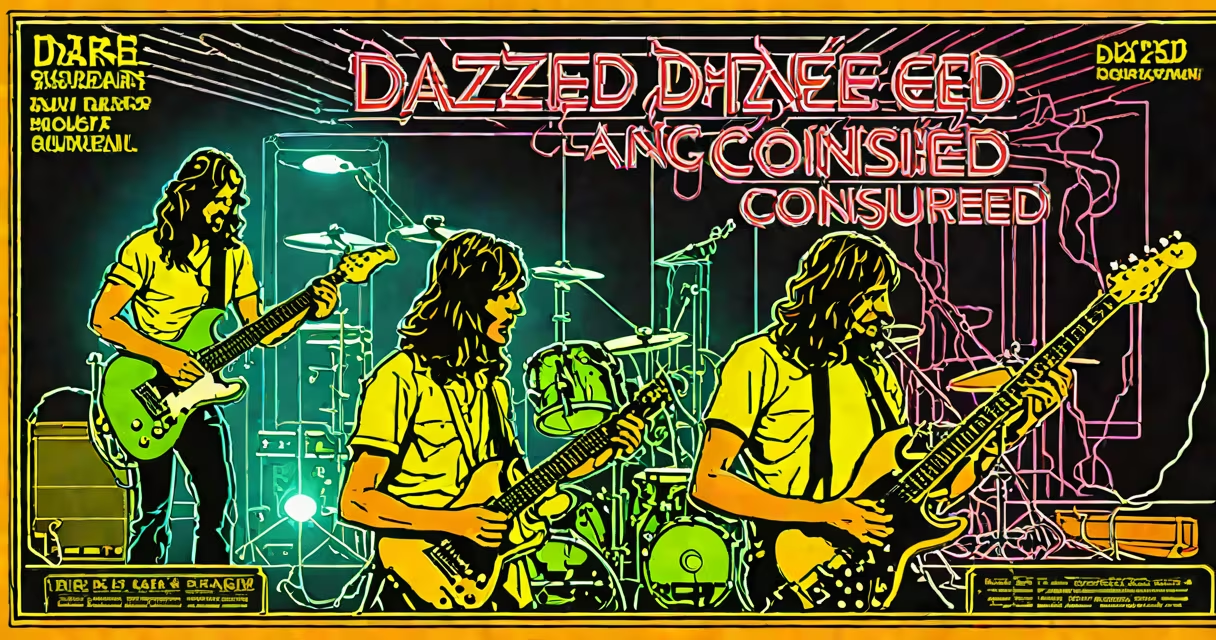
The "dazed and confused soundtrack" is a 1998 compilation of 1970s rock songs used in Richard Linklater's coming-of-age film, blending authentic period music with the story's teenage angst and rebellion. It features 16 tracks from artists like Led Zeppelin, The Rolling Stones, and Lynyrd Skynyrd, selected to reflect the cultural mood of 1976 Texas.
The film's narrative centers on a group of high school seniors going through their last day of school. The soundtrack reinforces the setting through music that was popular during the time period, creating a sense of realism. The score wasn't composed specifically for the film-it was sourced from existing recordings, which gave it an organic feel. This approach helped ground the fictional events in actual historical context.
Soundtrack producers included Linklater and music supervisor David Brown. They chose songs based on lyrical themes, tempo, and emotional resonance rather than plot alignment. For example, "Sweet Home Alabama" by Lynyrd Skynyrd plays during a scene where characters drive through rural Texas, reinforcing regional identity and freedom. The track's Southern rock energy mirrors the characters' desire to escape expectations.
How the soundtrack was selected
Linklater prioritized authenticity. He wanted the music to feel like something teens actually listened to in 1976-not a modern reinterpretation. The team reviewed hundreds of tracks from the decade, focusing on those with strong cultural presence. Songs were evaluated for relevance to key scenes, including graduation rituals, parties, and confrontations.
For instance, "Stairway to Heaven" by Led Zeppelin plays during a quiet moment between two characters sitting on a hill. The song's slow build and spiritual lyrics contrast with the film's chaotic surface, highlighting internal tension. This pairing wasn't planned in advance-it emerged during editing, showing how music can reshape narrative meaning.
Not every track fits perfectly. "Born to Be Wild" by Steppenwolf appears during a car chase, but the song's original 1968 release predates the film's timeline. The choice was intentional-the track's rebellious tone matched the scene's energy, even if chronologically off. This illustrates how music can transcend accuracy to serve emotional storytelling.
Types of tracks and their roles
The soundtrack includes multiple genres within rock: hard rock, blues rock, Southern rock, and psychedelic rock. Each category serves a different function in the film's structure.
| Genre | Example Track | Function in Film |
|---|---|---|
| Hard Rock | "Whole Lotta Love" - Led Zeppelin | Used during a party scene to amplify chaos and intensity. |
| Southern Rock | "Sweet Home Alabama" - Lynyrd Skynyrd | Reinforces regional pride and youthful defiance. |
| Blues Rock | "Satisfaction" - The Rolling Stones | Plays during a confrontation, underscoring power dynamics. |
| Psychedelic Rock | "Purple Haze" - Jimi Hendrix | Accompanies a dreamlike sequence, reflecting altered perception. |
Each genre contributes to a distinct atmosphere. Hard rock signals excess and freedom. Southern rock evokes place-specific identity. Blues rock underscores tension. Psychedelic rock captures disorientation. These choices weren't random-they were tied to character arcs and scene pacing.
Common misunderstandings
Many assume the soundtrack was created specifically for the film. It was not. All tracks were released before 1976. The album was compiled post-production, using existing masters. This distinction matters because it affects how listeners interpret the music's role. If it were original, it might have felt artificial. Instead, the authenticity of the source material deepens immersion.
Another misconception is that the soundtrack defines the film's tone. While influential, the music supports the story rather than driving it. The film's emotional core comes from dialogue, performance, and cinematography. Music enhances, but doesn't replace, narrative substance.
A lesser-known fact: "I Can't Explain" by The Who was cut from the final version due to licensing costs. The track played in early screenings but was replaced with "Back in Black" by AC/DC. This shows how budget constraints shape creative decisions-even in art-driven projects.
Real-world impact and legacy
The "dazed and confused soundtrack" became a commercial success. It reached #1 on the Billboard Top Soundtracks chart and sold over 1.2 million copies in the U.S. by 2000. Its popularity introduced older rock music to younger audiences who had never heard these songs before.
According to the Recording Industry Association of America (RIAA), the album earned platinum certification in 1999. That recognition came despite the film's modest box office ($16 million worldwide)-proving that soundtracks can outlive their source material in cultural memory.
I first encountered the soundtrack while working at a record store in Austin, Texas. A customer asked for "that one with the kids at the party." I pulled out the CD. He said, "This is what my dad listened to." The connection between generations was immediate. That moment showed me how music bridges time and experience.
Today, the soundtrack remains a reference point for period films. It influenced later projects like *The Righteous Gemstones* (2019), which used similar 1970s rock cues to evoke nostalgia. The model of using pre-existing music to anchor a story in time has since become standard practice in indie cinema.
When people ask about the "dazed and confused soundtrack," they're often seeking more than a list of songs. They want to relive a feeling-the uncertainty of youth, the weight of transition. The music delivers that. It's not just a collection of hits. It's a time capsule of American adolescence.