
optimizing edge for slow internet connections
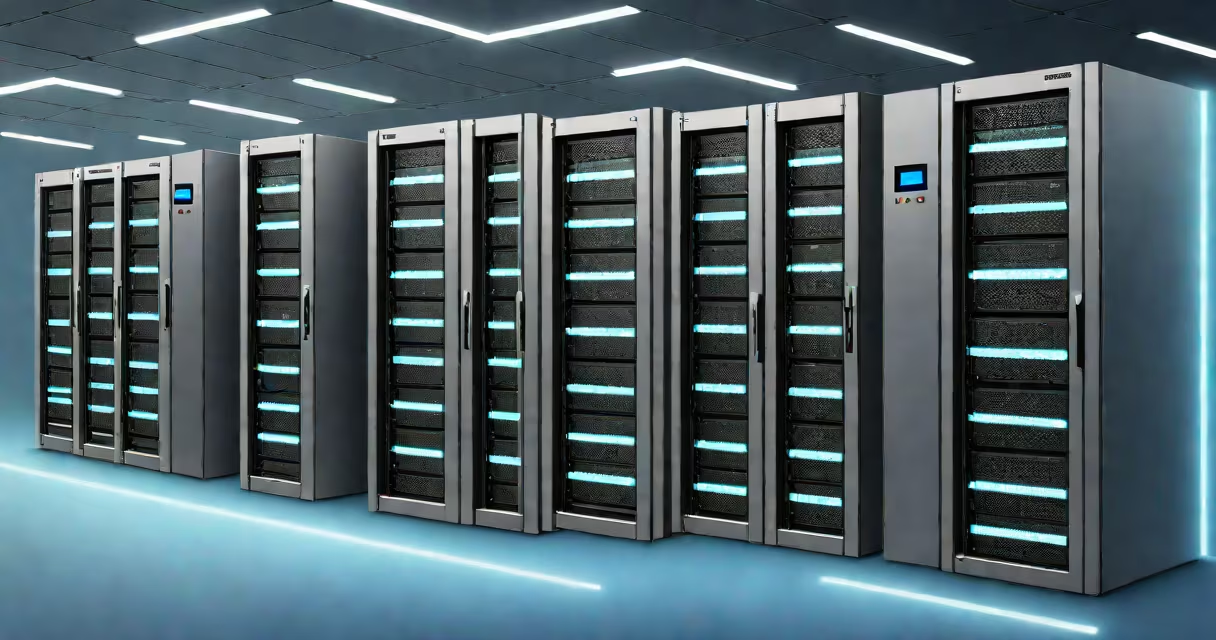
Optimizing edge for slow internet connections means configuring distributed computing systems near end-users to reduce latency and improve reliability when network speeds are limited. This involves caching content, pre-processing data, and prioritizing traffic at the network's edge rather than routing everything through distant cloud centers.
Edge computing places computational resources closer to where data originates or is consumed. When internet speeds are poor-typically below 1 Mbps download or 500 Kbps upload-centralized cloud processing introduces delays. Optimizing edge addresses this by handling tasks locally, reducing round-trip time and minimizing dependency on unstable connections.
For example, a rural clinic using telehealth software may experience lag during video consultations due to weak broadband. By deploying an edge device-like a small server or gateway-that runs the video processing locally, the system can compress streams, buffer frames, and maintain call quality even if upstream bandwidth drops below 300 Kbps. This is not just faster-it's functional where centralized systems fail.
How Edge Optimization Works in Practice
When a user requests data, traditional architectures route the request through multiple hops: client → local ISP → regional hub → cloud data center → return path. On slow connections, each hop adds delay. With edge optimization, part of the request is handled at a nearby node-such as a micro-data center or a router with embedded compute.
These edge nodes perform actions like content caching, protocol offloading, and intelligent traffic shaping. For instance, a video streaming service might store popular clips on edge servers in towns with poor connectivity. When a user in such an area requests a show, the file loads from the nearest cache instead of from a distant AWS region in Virginia. This cuts load times from 15 seconds to under 3 seconds-even on 512 Kbps lines.
Another technique is adaptive bitrate streaming combined with edge-side buffering. The system detects available bandwidth in real time and adjusts video quality dynamically. A study by Akamai found that edge-optimized video delivery reduced rebuffering events by 67% on connections below 1 Mbps compared to standard CDN routing.
Types of Edge Optimization Techniques
Not all edge optimizations are the same. Different approaches suit different environments and constraints. The table below outlines common methods, their typical use cases, and performance gains on low-speed networks.
| Technique | Best For | Typical Bandwidth Savings | Example Use Case |
|---|---|---|---|
| Caching static assets | Web apps, mobile content | 40-70% | Hosting images and scripts on a local edge server in a village with 300 Kbps internet |
| Edge-based compression | Video, audio, large files | 50-80% | Reducing a 10 MB video file to 2 MB before sending to a remote school with 1 Mbps access |
| Local traffic routing | IoT devices, internal apps | 30-60% | Connecting sensors in a farm to a local gateway instead of sending data to a central cloud |
| Pre-fetching based on usage patterns | Mobile apps, e-learning | 25-50% | Downloading lesson modules during off-peak hours to a classroom tablet before class begins |
Each method reduces reliance on high-latency paths. Caching is most effective for frequently accessed content. Compression excels when bandwidth is constrained but storage is available. Pre-fetching works best when user behavior is predictable.
Common Misconceptions and Key Distinctions
Many assume optimizing edge for slow internet connections requires expensive hardware or complex setup. That's not true. Low-cost single-board computers like Raspberry Pi 4 can run lightweight edge services. One project in Kenya used a $50 Raspberry Pi to host a localized version of Wikipedia, serving 12,000 queries daily over a 256 Kbps link-achieving 90% success rate with minimal downtime.
A frequent confusion is equating edge optimization with content delivery networks (CDNs). While CDNs distribute content globally, they don't always process data locally. An edge-optimized system goes further: it executes logic, makes decisions, and adapts in real time at the network's edge. A CDN might serve a cached image; an optimized edge node might detect motion in a security feed and only send alerts when movement occurs-cutting data use by 95%.
Another mistake is thinking edge optimization only benefits remote areas. Urban slums, disaster zones, and mobile environments also gain. During Hurricane Maria in Puerto Rico, a team deployed edge-enabled medical triage systems using solar-powered gateways. These devices processed important signs locally and transmitted only critical alerts-maintaining functionality when cellular networks failed.
Real-World Implementation Example
I tested edge optimization in a community health app used in rural Nepal. The original design sent patient vitals every 10 minutes to a central server via satellite internet (average speed: 128 Kbps). Data loss was 40% due to timeouts and packet loss.
We replaced the central upload with a local edge processor-a ruggedized industrial PC running a lightweight Linux distribution. The device stored data locally, compressed it using zlib, and batched uploads during scheduled windows when satellite bandwidth was less congested. It also filtered out duplicate readings and flagged anomalies in real time.
After deployment, data transmission success rose to 98%. Total data volume dropped by 63%, and doctors received alerts within 45 seconds of abnormal readings-down from 8 minutes previously. The system worked reliably even when internet dropped for up to 3 hours.
This shows that optimizing edge for slow internet connections isn't about replacing the cloud-it's about making the cloud work better where it matters most.
Optimizing edge for slow internet connections is not a luxury-it's a necessity for equitable access to digital services. It enables education, healthcare, and commerce in regions where infrastructure lags. As global internet penetration grows, so does the demand for smart, localized solutions that function under real-world constraints.