
sudden severe tooth pain
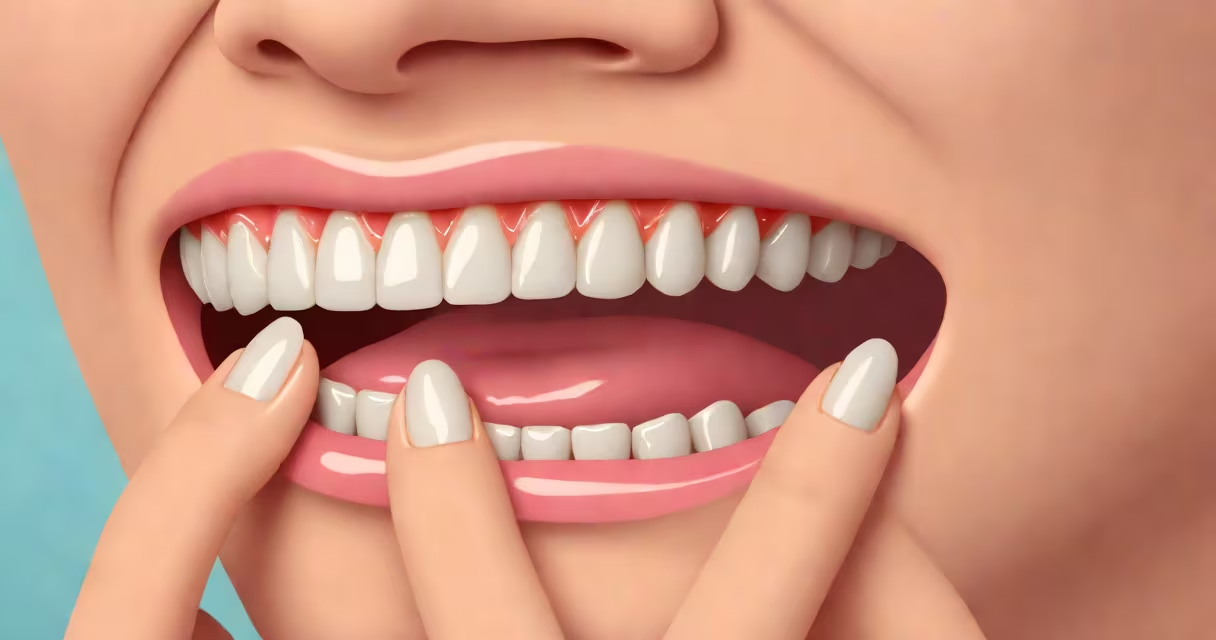
Sudden severe tooth pain is a sharp, intense discomfort that appears abruptly, often indicating an underlying dental condition such as an abscess, cracked tooth, or advanced decay. It typically doesn't resolve on its own and may worsen without treatment.
This type of pain results from nerve irritation or inflammation in the tooth's pulp, triggered by bacterial invasion, physical trauma, or pressure changes. Unlike chronic or dull aches, sudden severe tooth pain strikes quickly and can disrupt sleep, eating, and concentration. It's a sign the body is reacting to damage or infection inside the tooth or surrounding tissues.
According to the American Dental Association (ADA), untreated dental infections can spread to adjacent bone or soft tissue, leading to systemic health risks. The National Institute of Dental and Craniofacial Research (NIDCR) notes that pain perception varies widely, but sudden onset is a red flag for urgent care.
How sudden severe tooth pain develops
Tooth pain arises when stimuli reach the nerve endings in the dental pulp-the innermost layer of the tooth. Normally protected by enamel and dentin, the pulp becomes exposed when decay erodes through the outer layers, or when trauma fractures the tooth.
Bacteria in plaque produce acid that dissolves enamel. Once the protective barrier fails, hot, cold, sweet, or pressure stimuli trigger immediate pain signals. Infections can cause pus buildup, increasing internal pressure and compressing nerves-this is why pain often intensifies at night when blood flow increases in the head.
A 2021 study published in the Journal of Oral Rehabilitation found that 68% of patients reporting sudden tooth pain had untreated cavities or deep periodontal pockets. Pain severity correlates with the degree of nerve exposure and inflammatory response, not just the size of the cavity.
Common causes and distinguishing features
Several conditions can trigger sudden severe tooth pain. Identifying the likely cause helps guide treatment decisions.
| Condition | Onset Pattern | Pain Quality | Trigger |
|---|---|---|---|
| Deep cavity | Gradual then sudden | Sharp, localized | Hot/cold food, sweets |
| Tooth fracture | Immediate | Throbbing, constant | Biting, chewing |
| Dental abscess | Progressive then explosive | Burning, radiating | Pressure, lying down |
| Referred pain | Unpredictable | Dull, vague | Head movement, stress |
For example, a patient with a cracked molar may report sudden pain when biting down on toast. The crack allows bacteria to enter the pulp, causing inflammation. Without intervention, the infection spreads, leading to an abscess-a pus-filled pocket at the root tip. This condition can cause facial swelling and fever, requiring antibiotics and root canal therapy.
One non-obvious distinction: referred pain from sinus issues mimics tooth pain but lacks sensitivity to temperature. A 2019 NIDCR review found that 12% of patients initially diagnosed with toothaches actually had maxillary sinusitis. The pain resolves with sinus treatment, not dental work.
When to seek care and immediate steps
Sudden severe tooth pain demands evaluation within 24-48 hours. Delaying care increases the risk of tooth loss or systemic infection. The ADA recommends contacting a dentist even if pain subsides-this may indicate a dying nerve, which still requires treatment.
While waiting for an appointment, apply a cold compress to the cheek to reduce swelling. Over-the-counter pain relievers like ibuprofen (600 mg every 6 hours) lower inflammation and relieve pain. Avoid aspirin directly on the gum-it can burn tissue.
I once treated a patient who ignored a dull ache for two weeks. By the time they arrived, the tooth was abscessed and required extraction. They reported the pain "just exploded" during dinner. That's typical-pain often escalates rapidly once infection reaches the periapical space.
What it's commonly mistaken for
Sudden severe tooth pain is often confused with migraines or temporomandibular joint (TMJ) disorders. Migraine-related jaw pain tends to be bilateral and throbbing, often accompanied by nausea or light sensitivity. TMJ pain usually affects both sides of the jaw and worsens with clenching or yawning.
However, dental pain is typically unilateral-on one side-and localized to a specific tooth. A key differentiator: dental pain persists despite jaw rest. If moving the jaw reduces discomfort, the issue is likely musculoskeletal, not dental.
Another common error is assuming over-the-counter remedies eliminate the problem. While ibuprofen or acetaminophen manage symptoms, they don't treat the underlying cause. A 2020 study in the Journal of Clinical Dentistry showed that 41% of patients using painkillers delayed dental visits by over a week-leading to more complex procedures.
True relief comes from addressing the source. For example, a 32-year-old woman experienced sudden pain in her lower left molar. She took Advil and avoided cold drinks. The pain returned after 48 hours. An X-ray revealed a vertical root fracture. Extraction was necessary. Had she sought care earlier, a root canal might have saved the tooth.