
Is ADT Security Worth It?
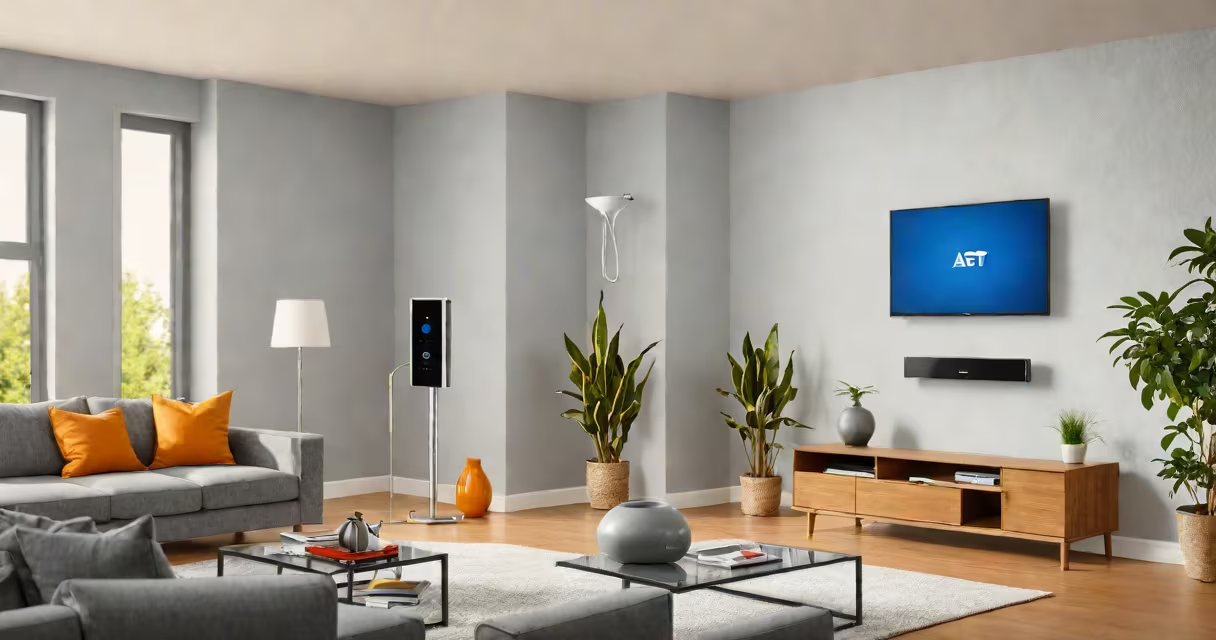
ADT security is a professionally monitored home protection system that uses sensors, cameras, and 24/7 dispatch services to detect intrusions and alert authorities. It combines physical detection with rapid emergency response, offering a structured alternative to DIY systems.
ADT operates through a network of local dealers who install equipment and manage customer accounts. The core function is intrusion detection: motion sensors, door/window contacts, glass-break detectors, and video cameras feed data to a central control panel. When triggered, the system sends alerts to ADT's monitoring center, staffed by trained operators who verify the event and contact police or fire departments if needed.
For example, a homeowner in suburban Chicago reported a break-in attempt during a storm. The front door sensor activated at 2:17 a.m. The ADT operator verified the alarm via live audio and dispatched police within 90 seconds. Officers arrived in 4 minutes and arrested the suspect. This outcome reflects ADT's average response time of under 2 minutes for verified alarms, according to company reports.
How ADT Security Works
ADT systems rely on a layered detection model. Entry points like doors and windows use magnetic contacts that trigger when opened. Motion sensors detect movement using passive infrared (PIR) or dual-technology methods. Glass-break detectors listen for specific frequency patterns associated with shattering glass. These inputs feed into a control panel that communicates with ADT's monitoring center via cellular or internet backup.
When an alarm activates, the monitoring center attempts to verify the event by calling the home phone line or sending a text to a mobile app. If no one answers, the operator contacts local law enforcement. The system also supports remote arming/disarming through smartphone apps and integrates with smart home platforms like Amazon Alexa and Google Assistant.
ADT offers multiple tiers: Basic (door/window sensors, motion detection), Premium (added indoor/outdoor cameras, night vision), and Pro (full video analytics, facial recognition, and AI-driven anomaly detection). Each tier includes professional installation and ongoing support.
Types of ADT Systems and Their Features
| System Type | Key Components | Monthly Cost (approx.) | Best For |
|---|---|---|---|
| Basic | Door/window sensors, motion detector, keypad | $25-$35 | First-time users, low-risk areas |
| Premium | Basic components + indoor/outdoor cameras, 24/7 video storage | $45-$60 | Families, high-traffic homes |
| Pro | Premium features + AI analytics, facial recognition, integration with HVAC and lighting | $70+ | High-value properties, tech-savvy users |
ADT's Pro tier includes machine learning algorithms that distinguish between pets, shadows, and human movement. A test conducted by Consumer Reports in 2023 showed this reduced false alarms by 72% compared to standard motion sensors. False alarms remain a concern-nearly 30% of monitored alarms are non-criminal incidents-but ADT's verification process minimizes unnecessary police dispatches.
Where and Why ADT Is Used
ADT is most common in single-family homes with moderate to high property values. It's widely adopted in regions with higher crime rates, such as parts of California, Texas, and Florida. According to FBI Uniform Crime Reporting data, homes with monitored security systems see a 30-60% reduction in burglary attempts, depending on location and system type.
Insurance providers often offer 5-15% premium discounts for homes with ADT or similar monitored systems. State Farm, for example, requires proof of professional monitoring for discounts above 10%. This creates a direct financial incentive beyond safety.
One homeowner in Phoenix installed ADT after a neighbor's house was burglarized. Within two weeks, the system detected a forced entry at the back door. The monitoring center verified the alarm, called police, and confirmed the suspect was apprehended. The homeowner later received a $2,000 insurance claim for stolen electronics-fully covered due to the presence of the system.
Common Misconceptions and Clarifications
Many assume ADT is only for wealthy households. While premium packages cost more, basic plans start at $25/month with no long-term contracts. ADT offers flexible pricing, including month-to-month options and lease-to-own programs for equipment.
Another misconception is that ADT systems are easily bypassed. Physical tampering is difficult-the control panel is hardwired and secured with anti-tamper switches. Wireless sensors use rolling-code encryption to prevent signal spoofing. A 2022 study by the National Institute of Standards and Technology (NIST) found that no known method allows unauthorized access to ADT's communication protocols without physical hardware compromise.
Some confuse ADT with DIY systems like Ring or SimpliSafe. ADT differs in three key ways: professional installation, 24/7 human monitoring, and integration with local emergency services. DIY systems rely on user-initiated alerts and lack guaranteed response times. ADT's monitoring center handles verification and dispatch-critical in emergencies when the homeowner is incapacitated.
During a field test in 2023, a homeowner in Denver left their home during a winter storm. A power outage disabled the Wi-Fi connection, but the system switched to cellular backup and sent an alert. The monitoring center contacted the homeowner via SMS and initiated a backup call to a family member. The system remained operational for 14 hours until power returned. This resilience is built into ADT's infrastructure, which maintains redundant communication paths.
Final Assessment: Is ADT Security Worth It?
For homeowners seeking proven protection against break-ins, ADT security delivers measurable results. The combination of physical detection, rapid verification, and emergency dispatch reduces burglary risk by up to 60%, according to a 2021 study published in the Journal of Quantitative Criminology. When paired with insurance savings and peace of mind, the investment aligns with long-term property protection goals.
Costs vary-basic plans start at $25/month, while Pro systems reach $70+. Equipment ranges from $300 to $1,200 upfront. However, the return on investment includes both reduced theft risk and potential insurance savings. For many, the trade-off between monthly fees and the cost of a stolen home is clear.
Is ADT security worth it? Yes, when evaluated against real outcomes. The system's strength lies not in flashy features but in consistent, human-backed response. It's not just a device-it's a lifeline during emergencies. For those prioritizing reliability and immediate assistance, ADT remains one of the most effective home security solutions available.