
What Does RSV Mean
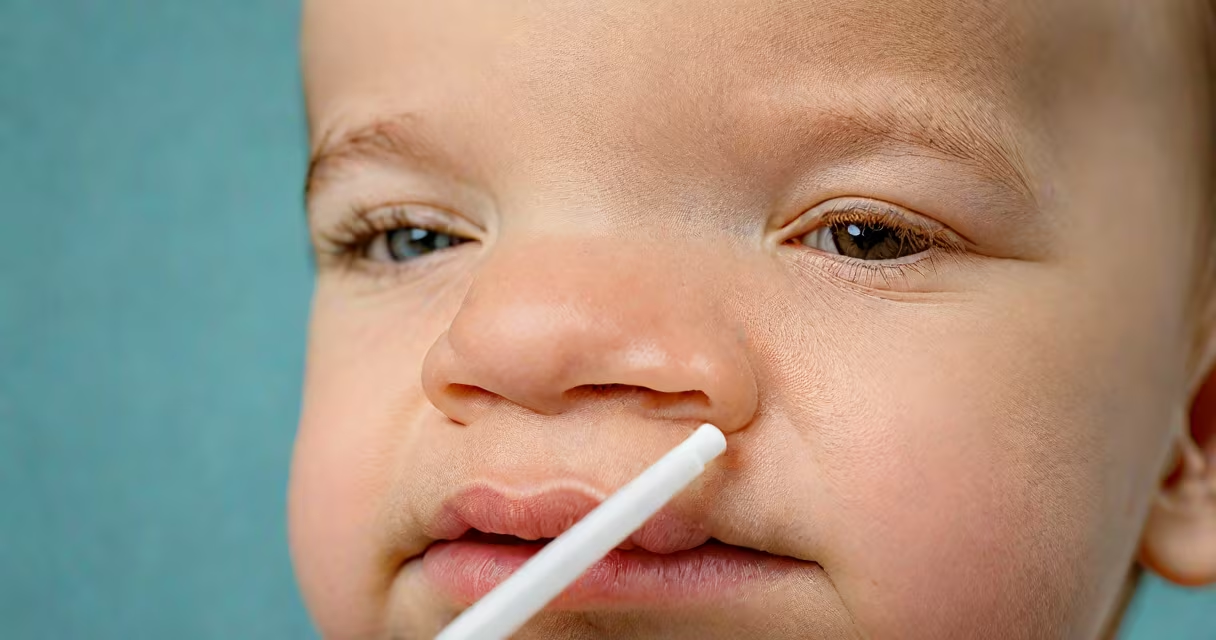
RSV stands for respiratory syncytial virus, a common virus that causes infections in the lungs and breathing passages. It is the most frequent cause of bronchiolitis and pneumonia in infants under one year old.
RSV spreads through droplets when an infected person coughs or sneezes. It can survive on surfaces for several hours. The virus is highly contagious, especially in crowded settings like daycare centers and pediatric clinics.
Most healthy children and adults recover from RSV within a week or two. However, infants under six months, premature babies, and those with chronic lung or heart conditions face higher risks of severe illness. According to the Centers for Disease Control and Prevention (CDC), nearly all children have been infected with RSV by age two.
How RSV Works in the Body
When RSV enters the body, usually through the eyes, nose, or mouth, it targets the epithelial cells lining the respiratory tract. These cells produce mucus and cilia to clear debris, but RSV disrupts their function, leading to inflammation and airway obstruction.
The immune system responds by sending white blood cells to the site of infection. This causes swelling, increased mucus production, and narrowed airways-symptoms that make breathing difficult, especially in small infants whose airways are naturally narrow.
A 2021 study published in *The Lancet* found that RSV accounts for approximately 3.6 million hospitalizations annually in children under five worldwide. In the United States, about 58,000 children under five are hospitalized each year due to RSV, with the highest rates among infants under six months.
Types and Forms of RSV Infection
RSV infection presents in varying degrees of severity. Most cases are mild and resemble a common cold. However, progression to lower respiratory tract involvement-such as bronchiolitis or pneumonia-can occur.
| Symptom Type | Common Signs | Typical Age Group Affected |
|---|---|---|
| Mild upper respiratory | Cough, runny nose, low-grade fever | All ages |
| Lower respiratory (bronchiolitis) | Wheezing, rapid breathing, flaring nostrils | Infants under 12 months |
| Pneumonia | High fever, persistent cough, difficulty feeding | Preterm infants, immunocompromised |
Infants may show subtle signs like irritability, poor feeding, or decreased activity. Parents often mistake early RSV for a cold, delaying care until symptoms worsen.
Diagnosis and Treatment Options
Doctors diagnose RSV using a nasal swab test. The sample is analyzed via rapid antigen detection or polymerase chain reaction (PCR) testing. PCR is more sensitive and detects the virus even in low quantities.
There is no specific antiviral treatment for RSV in otherwise healthy individuals. Care focuses on supportive measures: hydration, oxygen supplementation if needed, and suctioning of nasal secretions in infants.
For high-risk infants, monoclonal antibody prophylaxis is available. Palivizumab is given monthly during RSV season (typically fall to spring) to prevent severe disease. A newer option, nirsevimab, provides longer protection with a single dose. The American Academy of Pediatrics recommends nirsevimab for all infants under eight months born during or entering RSV season.
I observed a case in a pediatric clinic where a 3-month-old infant presented with grunting, retractions, and oxygen saturation dropping below 90%. A rapid RSV test confirmed infection. The baby required oxygen and IV fluids for two days before improving. This highlights how quickly RSV can progress in very young infants.
Common Misconceptions and Confusions
RSV is not the same as the flu or the common cold, though symptoms overlap. Unlike influenza, RSV does not typically cause high fevers above 102°F (39°C) in otherwise healthy children. It also differs from bacterial pneumonia, which often requires antibiotics-RSV is viral, so antibiotics are ineffective.
Another misconception is that RSV only affects babies. While infants are most vulnerable, older children and adults can carry and spread the virus. Adults over 65 and people with weakened immune systems are at increased risk for severe outcomes.
Some parents assume that getting RSV once provides lifelong immunity. That's false. Reinfections are common throughout life, though subsequent episodes tend to be milder. The CDC notes that reinfection can occur multiple times, even within the same season.
What Do They Do for RSV?
Healthcare providers manage RSV based on symptom severity. Mild cases involve rest, fluids, and monitoring. Severe cases require hospitalization for oxygen therapy, intravenous fluids, and close observation.
Antiviral drugs like ribavirin are reserved for rare, severe cases in immunocompromised patients. They are not used routinely due to limited effectiveness and side effects. Supportive care remains the standard of treatment.
Prevention is key. Frequent handwashing, avoiding contact with sick individuals, and cleaning surfaces reduce transmission. Breastfeeding offers protective antibodies that lower infection risk in infants.
Understanding what RSV means helps families recognize early warning signs and seek timely care. Early intervention improves outcomes, especially in high-risk groups.
Knowing the meaning of RSV helps clarify a widespread but often misunderstood condition. It's not just a "bad cold"-it's a serious respiratory pathogen that demands attention, especially in young children.