
periodontal disease treatment
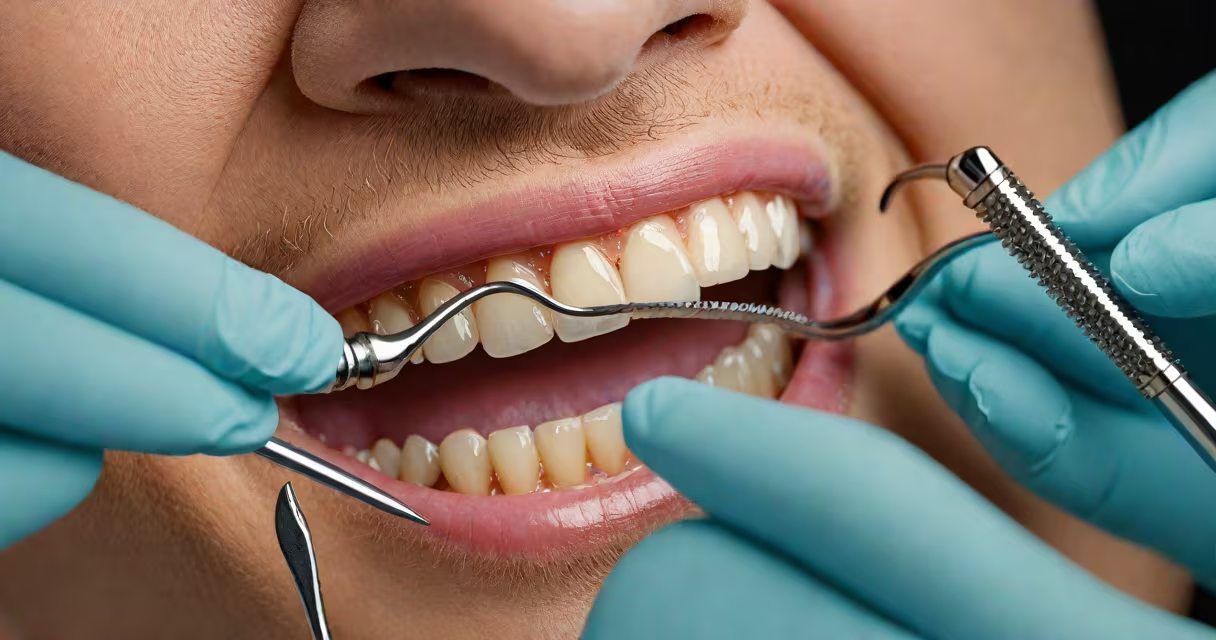
periodontal disease treatment is a set of clinical interventions designed to eliminate bacterial infection in the gums, reduce pocket depth around teeth, and halt bone loss caused by advanced gum disease. These treatments aim to restore tissue health and prevent further tooth loss.
Periodontal disease begins when plaque builds up along the gumline, triggering inflammation. Left untreated, it progresses to periodontitis, where the supporting structures of the teeth-gums, periodontal ligament, and alveolar bone-break down. Treatment targets the underlying infection and damaged tissue to stop progression and promote healing.
The American Academy of Periodontology (AAP) defines treatment protocols based on disease severity. Non-surgical methods like scaling and root planing are first-line approaches. Surgical options such as flap surgery or bone grafting are reserved for cases with deep pockets or significant bone loss. Early intervention improves outcomes and reduces long-term costs.
How periodontal disease treatment works
Treatment starts with a complete evaluation. A periodontist uses a periodontal probe to measure pocket depth between the gums and teeth. Pockets deeper than 4 millimeters indicate disease progression. Radiographs confirm bone loss, and microbiological testing may identify specific pathogenic bacteria.
Non-surgical therapy involves mechanical debridement. Scaling removes calculus (tartar) from above and below the gumline. Root planing smooths the root surfaces to eliminate bacterial reservoirs and encourage reattachment of healthy gum tissue. This process typically requires multiple visits, often spaced over two weeks, to allow tissue recovery.
A 2021 study published in the Journal of Clinical Periodontology found that patients receiving scaling and root planing had a 60% reduction in probing depth after six months compared to untreated controls. The success rate exceeds 85% when combined with improved home care and regular maintenance.
Types of periodontal disease treatment
Treatment varies by stage. The AAP classifies periodontitis into mild, moderate, and severe forms based on pocket depth, attachment loss, and radiographic bone changes.
| Disease Stage | Primary Treatment | Additional Options |
|---|---|---|
| Mild (pocket depth ≤4 mm) | Scaling and root planing | Antimicrobial rinses, improved brushing/flossing |
| Moderate (5-6 mm) | Non-surgical therapy + local antibiotics | Flap surgery, guided tissue regeneration |
| Severe (≥7 mm) | Surgical intervention | Bone grafts, soft tissue grafts, dental implants |
Local antibiotic delivery systems like Arestin (minocycline microspheres) are placed directly into deep pockets after scaling. They release medication over 10-14 days, reducing harmful bacteria without systemic side effects. This method increases the chance of pocket reduction by 25% compared to scaling alone.
For advanced cases, flap surgery exposes the roots and underlying bone. Surgeons remove infected tissue, reshape the bone, and suture the gums back into place. This allows better access for cleaning and promotes reattachment. Bone grafts may be used to regenerate lost structure. A 2019 review in the International Journal of Oral & Maxillofacial Implants reported that 80% of patients with severe periodontitis maintained their teeth after surgical treatment over five years.
Common misconceptions and key distinctions
Many people confuse gingivitis with periodontitis. Gingivitis is reversible inflammation of the gums, often causing redness and bleeding during brushing. It does not involve bone loss. Periodontal disease treatment applies only to cases with attachment loss and pocket formation.
Another misconception is that treatment cures periodontitis permanently. The condition is chronic and requires lifelong management. Without consistent follow-up care, recurrence rates exceed 40% within five years. Maintenance visits every three to four months are essential to monitor progress and prevent relapse.
Some patients expect immediate results. Healing takes time-typically 6 to 12 weeks for initial tissue stabilization. Swelling and sensitivity may persist for several days after scaling. Discomfort is usually mild and manageable with over-the-counter pain relievers.
I once treated a 52-year-old patient with severe periodontitis who had avoided dental care for over a decade. His teeth were loose, and he reported difficulty chewing. After two sessions of scaling and root planing, followed by a 3-month maintenance phase, his probing depths improved from 7-9 mm to 3-4 mm. He regained confidence in eating and speaking. This outcome reflects what's achievable with timely, structured care.
When to seek treatment and what to expect
Early signs include persistent bad breath, receding gums, and bleeding while brushing. By the time pain appears, damage is often advanced. The Centers for Disease Control and Prevention (CDC) reports that nearly half of U.S. adults aged 30 and older have some form of periodontal disease, yet only 15% receive treatment.
Initial consultation includes a medical history review and full-mouth examination. The dentist may refer to a periodontist-a specialist trained in treating gum disease-if complex surgery or implant planning is needed. Most insurance plans cover basic scaling and root planing, though coverage for surgical procedures varies.
After treatment, patients must adopt daily plaque control. Using a soft-bristled toothbrush and interdental brushes removes debris from tight spaces. Flossing daily disrupts biofilm buildup. Patients should avoid tobacco products, which impair healing and increase relapse risk.
Effective periodontal disease treatment stops infection, restores function, and preserves natural teeth. It is not a one-time fix but a continuous commitment to oral hygiene and professional oversight. With proper care, most patients maintain stable results for decades.