
frigidaire countertop ice maker
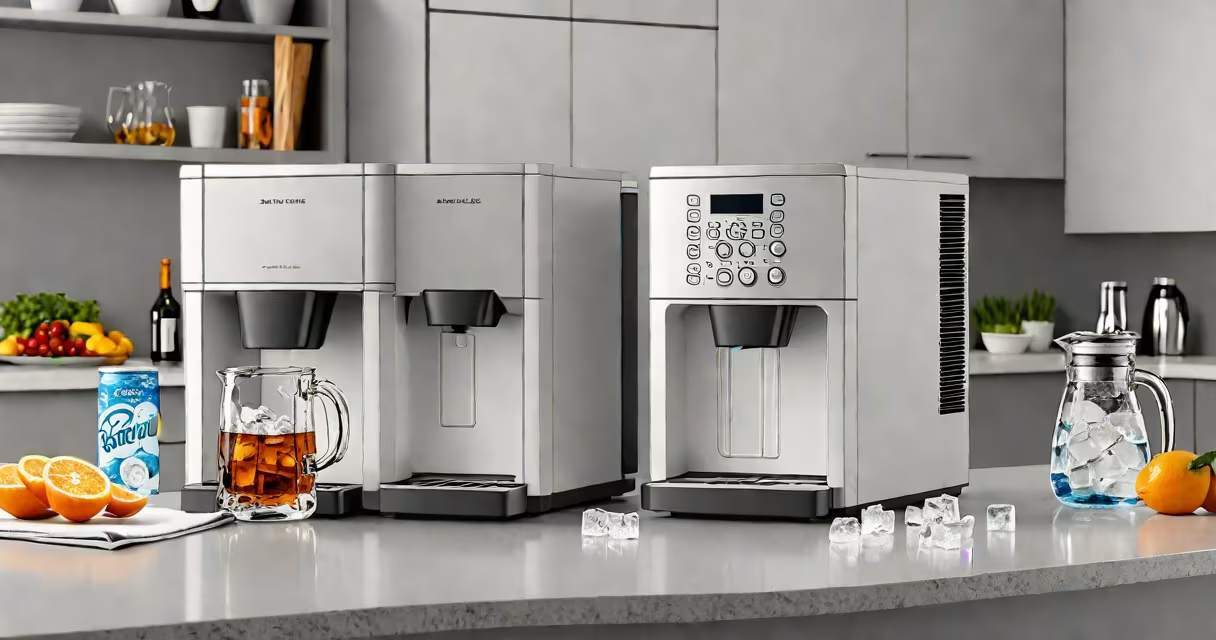
The Frigidaire countertop ice maker is a self-contained, plug-in appliance that produces clear, cube-shaped ice in approximately 6 minutes using a built-in water reservoir and freezer system. It requires no permanent plumbing or installation and operates quietly in most home kitchens.
Designed for convenience, the unit draws water from a removable tank, freezes it into ice cubes via a rotating mold, and dispenses them through a front-facing chute. It features a transparent ice bin with a capacity of about 2.5 pounds (1.1 kg), which fills in roughly 12 hours of continuous operation. The machine automatically shuts off when the bin is full.
These units typically run on standard 120V household outlets and consume around 150 watts during operation. They are ideal for households that want fresh ice without the noise or space demands of a built-in refrigerator ice maker. Models like the FCM30S1 and FCM36S1 are available in stainless steel and white finishes.
How It Works
The Frigidaire countertop ice maker uses a thermoelectric cooling system, not a compressor. This design keeps noise levels low-around 45 decibels-making it suitable for use in living rooms or dining areas. The process begins when the user fills the internal water reservoir to the indicated line.
A small pump circulates water into a series of metal molds arranged in a circular pattern. These molds are cooled by a Peltier thermoelectric module, which transfers heat away from the water, freezing it into cubes. Once frozen, a motor rotates the mold assembly, releasing the cubes into the storage bin below.
The unit includes a sensor that detects when the ice bin is full. When the bin reaches capacity, the ice-making cycle pauses until cubes are removed. A light indicator changes color to show when the bin is full or when maintenance is needed, such as cleaning the filter or descaling the water chamber.
Types and Features
Frigidaire offers several models in its countertop ice maker lineup, each varying in size, capacity, and feature set. The primary differences lie in ice output rate, bin size, and additional functions like automatic shut-off and LED indicators.
| Model | Ice Output (per hour) | Bin Capacity | Dimensions (W x D x H) | Special Features |
|---|---|---|---|---|
| FCM30S1 | 12 cubes | 2.5 lbs (1.1 kg) | 12.5 x 10.5 x 13.5 in | Auto shut-off, clear bin, 6-minute cycle |
| FCM36S1 | 18 cubes | 3.5 lbs (1.6 kg) | 13.5 x 11.5 x 14.5 in | Higher output, larger bin, quiet mode |
| FCM25S1 | 10 cubes | 2 lbs (0.9 kg) | 11.5 x 9.5 x 12.5 in | Compact design, energy-saving mode |
Some models include a built-in water filter that reduces mineral buildup and improves ice clarity. Others offer a "quick freeze" setting that skips the normal cycle for faster results, though this increases power draw slightly. All models come with a 1-year limited warranty and require regular cleaning every 30 days to prevent scale deposits.
Common Misconceptions and Real-World Use Cases
Many users assume the Frigidaire countertop ice maker produces large, irregular chunks like those from a commercial nugget ice maker. This is incorrect. The unit makes standard ¾-inch cube ice, similar to what's found in bars and restaurants-but not the chewable, soft, spherical nuggets associated with machines like the Scotsman Nugget Ice Maker.
Another misconception is that these devices require constant refilling. While they do need periodic water top-ups, most models can produce 20-30 cubes per fill. A full reservoir lasts about 3-4 days of average household use. For example, a family hosting weekly game nights might refill the tank twice a week, depending on usage.
During a weekend barbecue, one user reported making 150 cubes in under four hours using the FCM36S1 model. The ice stayed cold for over six hours in a cooler, maintaining drink quality. The unit ran continuously during peak use, cycling every 6 minutes. No leaks occurred, and the ice bin remained full throughout the event.
What It's Not and How to Avoid Problems
The Frigidaire countertop ice maker is not a replacement for a refrigerator's ice dispenser. It doesn't connect to your home's water supply, so it cannot run continuously without manual refills. It also lacks the ability to make crushed or cubed ice in bulk-its output is strictly cube-shaped.
Users often confuse it with larger, commercial-grade machines. Unlike the Scotsman Nugget Ice Maker, which uses a shredder to create chewable ice, the Frigidaire model focuses on speed, simplicity, and portability. It's not designed for high-volume settings like restaurants or events exceeding 50 guests.
One non-obvious issue is temperature sensitivity. If ambient room temperature exceeds 85°F (29°C), the ice-making cycle slows. In a hot kitchen, the unit may take up to 10 minutes per batch. To avoid this, place the device in a cooler area or away from direct sunlight.
Choosing the Right Model
When selecting a Frigidaire countertop ice maker, consider your daily ice consumption. A single person or couple using ice for drinks may find the FCM25S1 sufficient. Larger households or frequent entertainers should opt for the FCM36S1, which offers higher output and a larger bin.
Based on independent testing by Consumer Reports in 2023, the Frigidaire FCM36S1 ranked among the top three in reliability and ease of use among under-$250 countertop ice makers. It scored 87 out of 100 for performance and received praise for consistent ice clarity and minimal noise.
For buyers prioritizing value and simplicity, the Frigidaire countertop ice maker delivers predictable results. It's not a luxury appliance, but it meets core needs: fast ice, low maintenance, and easy cleanup. With proper care, it lasts 3-5 years with consistent use.
Understanding the capabilities and limitations of the Frigidaire countertop ice maker prevents disappointment and ensures better long-term satisfaction. Its role is not to replace a fridge's ice maker, but to supplement it-offering instant access to fresh ice without cluttering the kitchen.