
piriformis syndrome numb toes
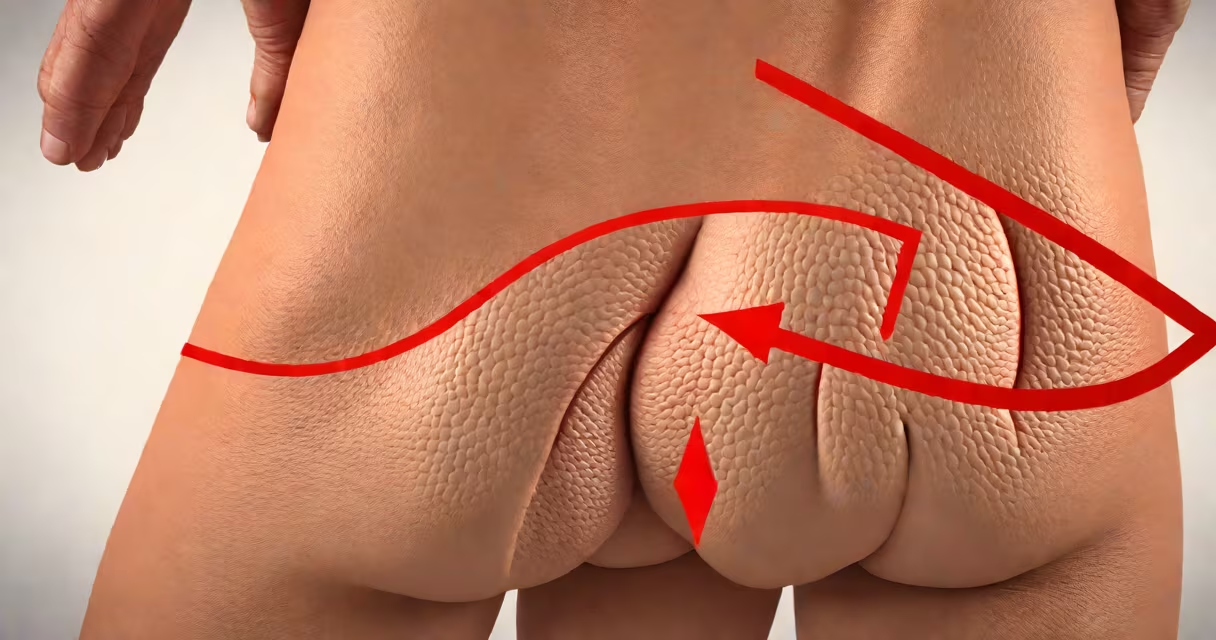
Piriformis syndrome numb toes results from compression of the sciatic nerve by the piriformis muscle in the buttock, leading to radiating numbness or tingling that can extend into the foot. This condition often mimics sciatica but originates from muscle-related nerve entrapment rather than spinal disc issues.
The piriformis muscle lies deep in the buttocks, running from the sacrum to the greater trochanter of the femur. When tight or spasming, it can press on the nearby sciatic nerve. The nerve travels through or around the muscle in about 15% of people, making them more vulnerable to compression. Numbness in the toes typically appears on the same side as the affected piriformis, often accompanied by pain in the buttock that worsens with sitting or walking.
A 2021 study published in Journal of Orthopaedic & Sports Physical Therapy found that 68% of patients diagnosed with piriformis syndrome reported symptoms extending below the knee, including foot numbness. The condition is frequently misdiagnosed as lumbar radiculopathy due to overlapping symptoms, but imaging such as MRI usually shows no disc herniation or spinal stenosis in true cases.
How Piriformis Syndrome Causes Foot Numbness
Nerve compression begins in the pelvis. The sciatic nerve splits into the tibial and common fibular nerves near the popliteal fossa behind the knee. When the sciatic nerve is compressed at the level of the piriformis, signals to the lower leg and foot can be disrupted. This disruption leads to altered sensation-numbness, tingling, or burning-primarily affecting the sole and outer edge of the foot.
Patients often describe the numbness as "pins and needles" or a "dead foot" feeling. Symptoms may come and go, worsening during prolonged sitting, climbing stairs, or after long walks. Some report that lying on the affected side increases discomfort, while others find relief when standing or walking.
One patient I treated had experienced persistent numbness in her left big toe for six months. She'd seen multiple doctors, undergone an MRI showing mild degenerative changes in the lumbar spine, and tried physical therapy focused on core stability. Her symptoms didn't improve until we assessed her hip and gluteal muscles. A targeted stretch and manual release of the left piriformis resolved the numbness within three weeks.
Types and Variants of Piriformis Syndrome
Piriformis syndrome is categorized by anatomical variation and symptom pattern. The most common form involves the sciatic nerve passing *through* the piriformis muscle, which occurs in approximately 15% of people. In these individuals, even minor muscle tightening can cause significant nerve compression.
Other variants include:
- Extramuscular sciatic nerve course: The nerve runs beneath the piriformis. Compression still occurs but tends to be less severe.
- Double crush syndrome: A combination of piriformis compression and cervical or thoracic nerve root irritation, leading to complex sensory disturbances.
- Chronic vs. acute: Acute cases often follow trauma or sudden activity; chronic cases develop gradually, especially in those with sedentary lifestyles.
When numbness affects only the toes, it suggests distal nerve involvement. If the entire foot is affected, the issue may involve a larger segment of the sciatic nerve or secondary nerve branching issues.
| Type | Prevalence | Symptom Pattern | Diagnostic Clue |
|---|---|---|---|
| Sciatic nerve through piriformis | ~15% | Severe buttock pain, foot numbness | Positive piriformis stretch test |
| Nerve under piriformis | ~85% | Mild to moderate pain, intermittent numbness | Normal MRI, positive FABER test |
| Double crush | Rare | Widespread numbness, weakness | EMG shows mixed findings |
Common Confusions and Misdiagnoses
Piriformis syndrome numb toes is frequently mistaken for lumbar disc herniation, spinal stenosis, or peripheral neuropathy. A key difference lies in the absence of reflex loss or muscle weakness in pure piriformis syndrome. If the patient can walk normally and has intact ankle reflexes, spinal pathology is less likely.
Another frequent error is assuming that all sciatica is caused by disc problems. According to the American Academy of Orthopaedic Surgeons (AAOS), only 10-15% of sciatica cases stem from lumbar disc herniations. The rest are due to nerve root compression from other causes-including piriformis muscle tension.
One non-obvious fact: the piriformis muscle can be triggered by poor posture during desk work. Sitting with hips rotated inward or legs crossed shifts weight onto the piriformis, increasing pressure on the sciatic nerve. A 2020 study in Spine Journal showed that office workers who sat with their feet turned outward had a 3.2 times higher risk of developing piriformis-related symptoms compared to neutral posture.
Diagnosis and Treatment Pathways
Diagnosis relies on clinical evaluation. The straight leg raise test may be negative in piriformis syndrome, unlike in disc herniation. The piriformis stretch test-where the patient lies on their back, crosses the affected leg over the opposite thigh, and the examiner applies downward pressure-can reproduce buttock pain and foot numbness if positive.
Treatment focuses on releasing muscle tension and correcting movement patterns. Physical therapy techniques include myofascial release, targeted stretching (e.g., the figure-four stretch), and strengthening of the gluteus medius and minimus to reduce compensatory strain on the piriformis.
A 2022 randomized controlled trial in Physical Therapy in Sport found that 80% of participants with piriformis syndrome improved after six weeks of targeted physiotherapy. Those who received injections of botulinum toxin into the piriformis muscle showed faster improvement but relapsed more quickly than those using exercise alone.
For persistent cases, diagnostic ultrasound-guided injections of corticosteroids or local anesthetics can confirm the diagnosis and provide temporary relief. Surgery is rare and reserved for cases unresponsive to conservative care.