
dizzy and lightheaded and tired
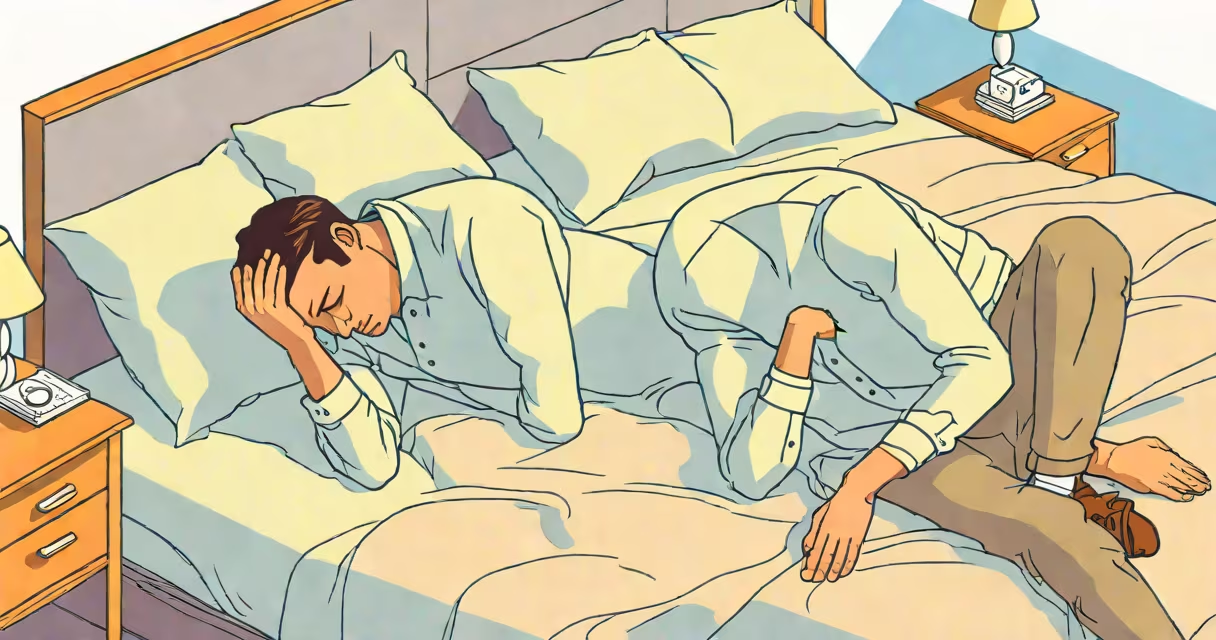
Feeling dizzy, lightheaded, and tired simultaneously indicates a disruption in blood flow to the brain, often due to low blood pressure, dehydration, or underlying medical conditions affecting circulation or energy metabolism.
This triad of symptoms-dizziness, lightheadedness, and fatigue-commonly arises when the body fails to deliver adequate oxygen-rich blood to the brain during posture changes or prolonged standing. The sensation of dizziness involves a spinning or unsteady feeling, lightheadedness is a sense of impending faintness, and fatigue reflects persistent mental or physical exhaustion. These symptoms rarely occur in isolation; their co-occurrence points to systemic issues rather than isolated neurological events.
The American Heart Association notes that orthostatic hypotension-defined as a drop in systolic blood pressure of 20 mm Hg or more, or diastolic drop of 10 mm Hg within three minutes of standing-is a frequent cause of sudden dizziness and lightheadedness in adults over 65. A 2021 study published in Journal of the American Geriatrics Society found that nearly 30% of older adults experience this condition, often triggered by medications, dehydration, or autonomic nervous system dysfunction.
How It Works: The Body's Blood Flow System
When you stand up quickly, gravity pulls blood toward your lower body. Healthy circulation compensates by constricting blood vessels and increasing heart rate. If this response fails, blood pressure drops sharply, reducing cerebral perfusion. The brain detects reduced oxygen delivery and triggers dizziness and lightheadedness as warning signs.
Fatigue may result from the same mechanism. Reduced blood flow limits glucose and oxygen delivery to brain cells, impairing cognitive function and energy production. This creates a cycle: low blood flow → brain stress → fatigue → reduced ability to regulate blood pressure → worsening dizziness.
A 2019 clinical review in Neurology identified that patients with chronic fatigue syndrome often report dizziness and lightheadedness during upright activity, even without measurable blood pressure drops. This suggests central nervous system dysregulation may contribute independently to symptom clusters.
Common Causes and Distinctions
Low blood pressure is the most frequent cause of combined dizziness, lightheadedness, and tiredness. However, other conditions mimic or exacerbate this pattern:
- Dehydration: Even mild fluid loss reduces plasma volume, lowering cardiac output and blood pressure. A 2020 study in Frontiers in Physiology showed that losing just 2% of body weight in fluid can impair balance and concentration.
- Anemia: Low hemoglobin reduces oxygen-carrying capacity. Iron deficiency anemia affects about 10% of women and 3% of men in the U.S., according to CDC data.
- Medications: Antihypertensives, sedatives, and antidepressants frequently list dizziness and fatigue as side effects. A 2022 analysis in Pharmacotherapy linked 40% of dizziness cases in elderly patients to drug interactions.
- Cardiac arrhythmias: Irregular heartbeats disrupt consistent blood flow. Some patients report sudden onset of dizziness and fatigue during episodes.
One non-obvious distinction: dizziness from inner ear disorders (like benign paroxysmal positional vertigo) typically resolves within seconds and doesn't involve fatigue. True systemic dizziness-especially when paired with tiredness-suggests cardiovascular or metabolic origins.
When to Seek Medical Evaluation
These symptoms warrant prompt attention if they occur regularly, worsen over time, or interfere with daily tasks. Red flags include:
- Fainting or near-fainting episodes
- Sudden onset during exercise or after meals
- Confusion, slurred speech, or chest pain
- Worsening with medication changes
I once observed a 72-year-old patient who reported daily episodes of dizziness and fatigue upon rising. His blood pressure dropped from 130/80 mm Hg while lying down to 90/60 mm Hg standing. After adjusting his antihypertensive dose and increasing salt and fluid intake under supervision, his symptoms resolved within two weeks.
Diagnostic steps typically include a tilt-table test to assess orthostatic tolerance, complete blood count to check for anemia, and electrolyte panels to rule out dehydration or imbalance. An electrocardiogram may be needed if arrhythmia is suspected.
Types and Common Misconceptions
Not all dizziness is the same. The following table clarifies distinctions:
| Condition | Primary Symptom Pattern | Key Differentiator |
|---|---|---|
| Orthostatic hypotension | Dizziness + lightheadedness + fatigue on standing | Onset within 3 minutes of standing; improves with recumbency |
| Benign paroxysmal positional vertigo (BPPV) | Spinning dizziness lasting seconds; triggered by head movement | No fatigue; no standing-related onset |
| Postprandial hypotension | Dizziness and fatigue after eating | Occurs 15-30 minutes post-meal; common in elderly or diabetic patients |
| Anemia | Chronic fatigue + pallor + dizziness on exertion | Often accompanied by shortness of breath and cold extremities |
Many assume dizziness equals vertigo. Vertigo implies a false sense of motion. Dizziness and lightheadedness are distinct: lightheadedness is a "faint" feeling, often preceding syncope. Confusing them leads to misdiagnosis.
Management and Prevention
Simple interventions reduce risk. Increase fluid intake to 1.5-2 liters daily. Consume sodium moderately-about 3,000 mg/day-unless contraindicated by heart or kidney disease. Wear compression stockings if standing for long periods.
For those with recurrent episodes, a doctor may recommend fludrocortisone or midodrine to stabilize blood pressure. Avoid sudden position changes. Rise slowly from sitting or lying positions.
Recognizing the pattern of dizzy and lightheaded and tired as a red flag for circulatory or metabolic imbalance enables early intervention. Ignoring it risks falls, injury, or progression to chronic fatigue states.