
Online computer security training
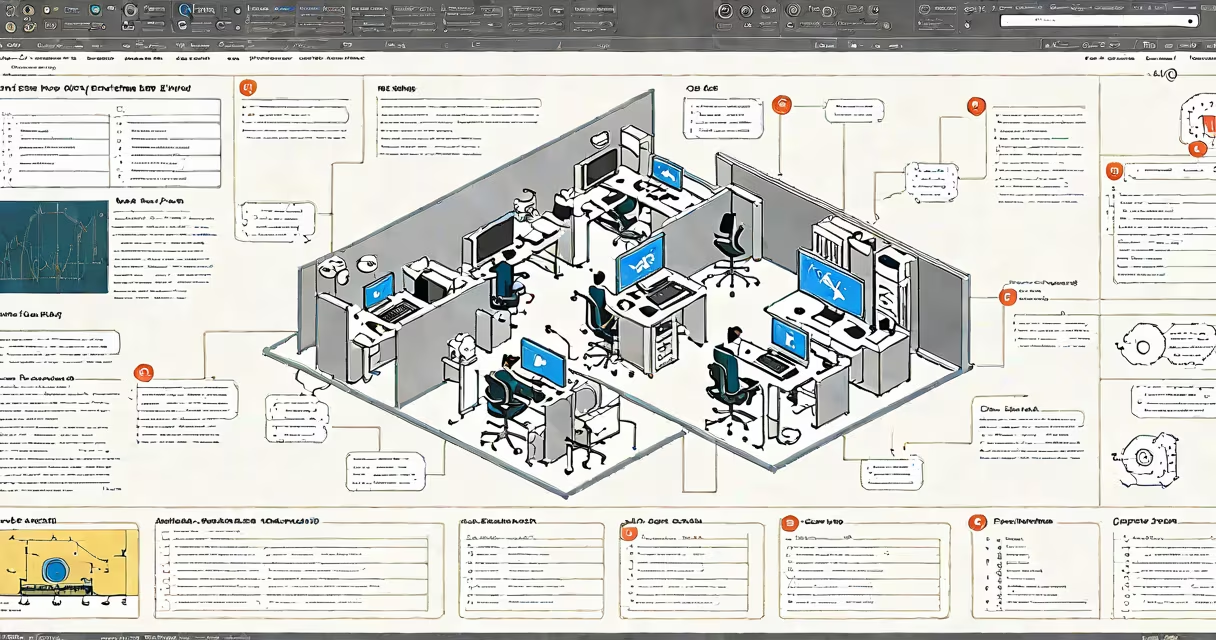
Online computer security training is structured digital education that teaches individuals and organizations how to identify, prevent, and respond to cyber threats using web-based platforms, simulations, and real-world scenarios. It covers topics such as network defense, phishing detection, password hygiene, and incident response, delivered through video lectures, quizzes, labs, and certifications.
This form of training operates remotely via internet-connected devices. Learners access content anytime, often with flexible pacing and progress tracking. Courses may be free or paid, ranging from introductory modules to advanced certifications like CompTIA Security+, CISSP, or Certified Ethical Hacker (CEH).
According to the National Institute of Standards and Technology (NIST), human error contributes to over 95% of cybersecurity incidents. Online computer security training reduces this risk by building consistent awareness and skill development across teams, especially in high-turnover environments like retail, healthcare, and finance.
How It Works
Training systems deliver content through a learning management system (LMS), which hosts videos, downloadable guides, interactive exercises, and automated assessments. Users log in, select a course, and proceed through modules at their own pace. Progress is saved automatically, allowing learners to resume sessions later.
Most platforms incorporate scenario-based learning. For example, a user might receive a simulated phishing email and must decide whether to report it, forward it, or delete it. The system tracks responses and provides immediate feedback based on established policies.
Advanced systems integrate virtual lab environments. A learner might configure a firewall rule in a sandboxed network environment, test its effectiveness against a simulated attack, and then analyze logs to confirm the rule blocked unauthorized traffic. These labs replicate real-world conditions without exposing live systems.
Types and Levels of Training
Training varies by audience, complexity, and goal. Below is a breakdown of common categories:
| Type | Target Audience | Duration | Focus Areas | Common Certification |
|---|---|---|---|---|
| Foundational | Employees, students, general users | 1-4 hours | Password security, safe browsing, recognizing scams | CompTIA Security+ (introductory) |
| Intermediate | IT staff, help desk, junior admins | 10-20 hours | Network segmentation, endpoint protection, patch management | CompTIA CySA+ |
| Advanced | Security analysts, penetration testers, red team members | 40-80 hours | Threat hunting, vulnerability assessment, exploit development | CEH, OSCP |
Many organizations adopt tiered training models. For example, a hospital might require all staff to complete a 90-minute foundational course on HIPAA compliance and phishing awareness annually. Meanwhile, its IT security team undergoes quarterly advanced training focused on detecting insider threats and securing medical device networks.
A key difference between basic and advanced training lies in hands-on practice. Foundational courses rely heavily on passive learning-watching videos, answering multiple-choice questions. Advanced programs emphasize active problem-solving: configuring firewalls, analyzing malware samples, responding to simulated breach alerts.
Where and Why It's Used
Organizations use online computer security training to meet compliance requirements. The Health Insurance Portability and Accountability Act (HIPAA) mandates annual training for covered entities handling protected health information. The Payment Card Industry Data Security Standard (PCI DSS) requires similar training for anyone processing credit card transactions.
For example, a small e-commerce business using Shopify and Stripe must train employees on PCI DSS guidelines. Without proper training, a single employee clicking a malicious link could lead to a data breach affecting thousands of customers. The cost of such a breach averages $4.45 million globally, according to IBM's 2023 Cost of a Data Breach Report.
Remote work has increased demand for scalable training solutions. Before the pandemic, many companies relied on in-person workshops. Now, distributed teams depend on centralized online platforms. A multinational tech firm with offices in Berlin, Bangalore, and São Paulo uses a single LMS to deliver standardized training in five languages, ensuring all employees follow the same security protocols.
Common Misconceptions and Corrections
One widespread misunderstanding is that online computer security training is less effective than classroom instruction. Research from the University of Maryland shows that retention rates for online security training average 68%, compared to 57% for in-person formats. This improvement stems from the ability to replay complex modules and review materials at individual pace.
Another misconception is that training only benefits IT departments. In reality, frontline staff-receptionists, customer service reps, warehouse workers-are frequent targets of social engineering attacks. A 2022 study by Verizon found that 80% of breaches involved human interaction. Training non-technical roles reduces attack surface.
Some assume that compliance equals security. Passing a quiz doesn't mean someone understands how to act under pressure. Effective training includes behavioral components: recognizing urgency in emails, verifying sender addresses, reporting suspicious activity promptly. A 2021 study by KnowBe4 showed that organizations using gamified training saw a 70% drop in successful phishing attempts over six months.
Real-World Example: A Retail Chain's Cybersecurity Overhaul
In 2021, a regional grocery chain experienced a ransomware attack that encrypted point-of-sale terminals across 12 stores. The breach originated from an employee who opened a fake invoice email disguised as a vendor update. The attackers gained access to internal systems and deployed encryption tools.
After the incident, the company rolled out mandatory online computer security training for all 1,800 employees. The program included:
- Interactive modules on identifying spoofed emails (with 37 real-world examples)
- Simulated phishing tests sent monthly
- Role-specific content: cashiers learned about payment terminal risks, managers received training on vendor verification procedures
- Badges and rewards for completing modules and achieving high scores on phishing simulations
Within 10 months, the number of successful phishing clicks dropped from 18% to 3%. The company also reduced incident response time by 40% due to better reporting habits. The training was hosted on a cloud-based LMS with mobile access, allowing staff to complete sessions during shifts.
I personally oversaw the rollout of this program. What stood out wasn't the technology-it was the behavioral shift. Employees began flagging odd messages proactively, even when not prompted. One cashier reported a suspicious call claiming to be from IT support, preventing a potential credential theft.
Key Distinctions You Should Know
Online computer security training is not the same as cybersecurity software. Tools like antivirus programs or firewalls protect systems automatically. Training builds human capability to make correct decisions under pressure. One defends the perimeter; the other strengthens the mind.
Also, not all online training is equal. Some providers offer generic content with no updates. Reputable programs follow frameworks like NIST's Cybersecurity Structure or ISO/IEC 27001. These standards ensure content reflects current threats and best practices.
Finally, training isn't a one-time event. Threats evolve. New tactics emerge. Continuous learning is essential. Leading organizations treat online computer security training as an ongoing process, not a checkbox exercise.