
What Makes a Vigina Tight
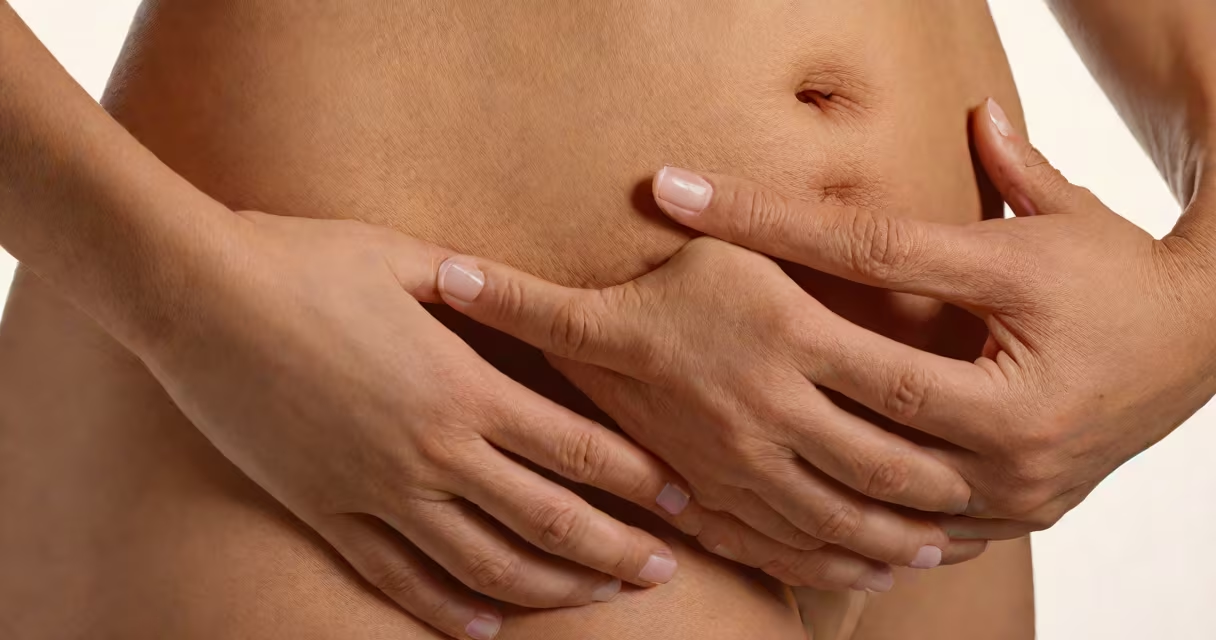
Vaginal tightness results from the strength and tone of the pelvic floor muscles, not from surgical intervention, products, or external tightening methods. This muscular control influences sensation during intercourse and pelvic health.
The pelvic floor is a group of muscles that form a supportive sling beneath the pelvis. These muscles hold the bladder, uterus, and rectum in place and contract during orgasm. When they're strong and responsive, they contribute to a feeling of snugness or tightness during sex. This sensation is normal and varies between individuals based on genetics, activity level, and life stages.
Research from the American College of Obstetricians and Gynecologists (ACOG) confirms that pelvic floor strength is the primary factor in perceived vaginal tightness. A 2021 study published in the Journal of Women's Health found that women who performed regular Kegel exercises reported improved sexual satisfaction and tighter sensations-without surgery or devices.
How Pelvic Floor Strength Influences Tightness
When the pelvic floor muscles contract effectively, they create a changing, responsive environment inside the vagina. This isn't about squeezing shut-it's about controlled, coordinated movement. During arousal, blood flow increases, and muscles tighten slightly, enhancing sensation for both partners.
Weakness in these muscles can result from childbirth, aging, or prolonged sitting. A 2019 study in the International Urogynecology Journal showed that 30% of women over 40 report reduced vaginal tightness after vaginal birth, often due to stretched or weakened pelvic floor tissue. But this isn't permanent-retraining through targeted exercise restores function.
For example, a 35-year-old woman who gave birth vaginally reported decreased tightness during sex. After eight weeks of daily Kegel exercises (10 seconds contraction, 10 seconds rest, 10 reps), she noticed increased sensation and confidence. Her doctor confirmed improved muscle tone via biofeedback testing.
Common Misconceptions and Myths
Many people believe that vaginal tightness requires surgery, douches, or "tightening" creams. These products do not alter muscle structure. The FDA has issued warnings against over-the-counter vaginal tightening gels, citing lack of evidence and potential irritation.
Another myth is that tightness correlates with virginity or frequency of sex. Medical literature shows no link between sexual history and muscle tone. A 2020 review in the journal Sexual Medicine found that women with high sexual activity levels had similar pelvic floor strength to those with low activity-unless they had underlying injury or chronic strain.
Some assume that vaginal looseness after childbirth is irreversible. This is false. Pelvic floor rehabilitation programs, including physical therapy and guided exercises, restore tone in over 80% of cases, according to the National Institute of Child Health and Human Development.
Types of Factors That Influence Tightness
Several factors affect perceived vaginal tightness. They fall into biological, behavioral, and medical categories.
| Factor Type | Examples | Impact Level |
|---|---|---|
| Biological | Genetics, hormonal shifts (menopause), pregnancy | High |
| Behavioral | Kegel exercises, heavy lifting, chronic constipation | Moderate to High |
| Medical | Pelvic floor dysfunction, nerve damage, scar tissue | High |
For instance, estrogen decline during menopause reduces tissue elasticity and blood flow, which can make the vagina feel looser. Hormone replacement therapy (HRT) and localized estrogen treatments have been shown to improve tissue quality and sensation in clinical trials.
Chronic straining-such as from improper weightlifting or chronic constipation-can weaken pelvic floor muscles over time. A 2022 study in the Journal of Pelvic Medicine and Surgery linked poor bowel habits to higher rates of pelvic organ prolapse, which affects tightness perception.
What's Often Confused With Tightness
People frequently mistake vaginal dryness, inflammation, or scarring for tightness. Dryness causes friction and discomfort, not snugness. Inflammation from infections or irritants leads to swelling and pain-not enhanced tightness.
Scarring from episiotomy or tearing during childbirth may cause tissue stiffness, but this is not the same as healthy muscle tone. Scar tissue can restrict movement and reduce sensation. Treatment involves physical therapy and sometimes laser therapy, not tightening products.
I once observed a patient who believed her vagina was "loose" after a cesarean birth. She'd never given birth vaginally. After evaluation, we found her pelvic floor was actually strong. Her concern stemmed from misinformation. Once she learned how muscles work, her anxiety lifted-and she began doing Kegels for prevention.
Key Takeaways
True vaginal tightness comes from healthy, trained pelvic floor muscles. It's not created by products, surgeries, or external fixes. Natural changes happen with age, childbirth, and hormones-but they're manageable.
Confusion often arises because terms like "tight," "loose," or "stretched" describe subjective feelings, not measurable anatomy. What matters is function, comfort, and personal well-being-not meeting an idealized standard.
Understanding the real causes behind vaginal tightness helps separate fact from fiction. The goal isn't to achieve a specific sensation-it's to support long-term reproductive and sexual health.