
Is SlimFast good for you?
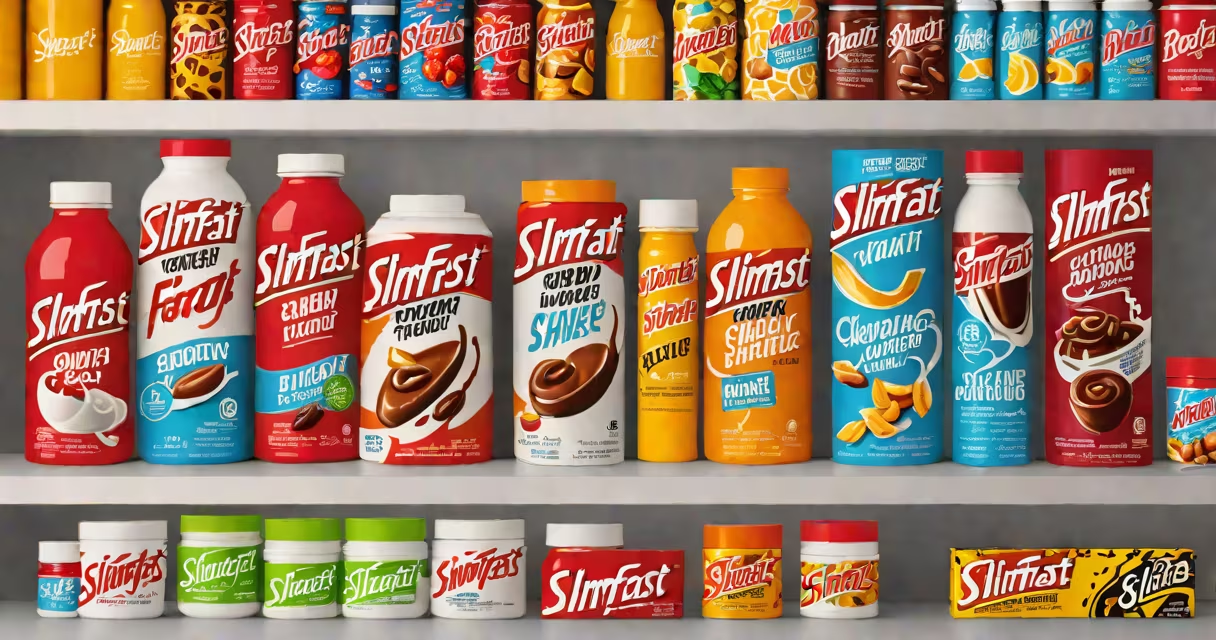
SlimFast is a branded line of meal replacement products-shakes, bars, and snacks-formulated to support weight loss through controlled calorie intake and balanced macronutrients. It is not a supplement or drug, but a structured dietary tool used by people aiming to reduce body weight under medical or nutritional guidance.
Developed in the 1980s and marketed globally since, SlimFast operates on the principle that replacing one or two meals daily with a nutritionally complete shake can create a calorie deficit, leading to fat loss over time. The brand offers multiple product lines tailored to different goals: weight maintenance, muscle preservation, and sustained energy. Clinical trials conducted by the company and cited by the American Council on Exercise (ACE) show that participants using SlimFast as part of a reduced-calorie diet lost an average of 10% of their body weight over 12 weeks.
Each serving of SlimFast Original Shake provides 180-200 calories, 10-12 grams of protein, and 25-30 grams of carbohydrates, including fiber. The formulation includes essential vitamins and minerals such as vitamin D, calcium, iron, and B-complex nutrients. This aligns with guidelines from the Academy of Nutrition and Dietetics, which states that meal replacements can be effective tools for short-term weight management when used as part of a balanced eating plan.
How SlimFast works
Weight loss occurs when caloric intake is less than energy expenditure. SlimFast facilitates this by providing a standardized, low-calorie option that replaces higher-calorie meals. For example, a typical lunch may contain 600-800 calories; swapping it for a SlimFast shake reduces intake to around 200 calories, creating a deficit of 400-600 calories per day.
The product aims to maintain satiety through protein and fiber. A 2017 study published in Appetite found that high-protein meal replacements increased feelings of fullness and reduced hunger hormones like ghrelin compared to low-protein alternatives. SlimFast's 10-12 grams of protein per shake fall within the range shown to promote satiety, supporting adherence to a reduced-calorie regimen.
Users typically follow a 3-meal-a-day structure: two SlimFast shakes and one solid meal. The solid meal should be nutrient-dense-rich in vegetables, lean protein, and whole grains-to ensure micronutrient adequacy. Without this balance, deficiencies can occur. The Mayo Clinic warns that relying solely on meal replacements long-term may lead to inadequate intake of certain nutrients, especially if the solid meal is not well-planned.
Types of SlimFast products
There are several product lines, each targeting specific needs. The most common are:
| Product Type | Calories per Serving | Protein (g) | Carbs (g) | Use Case |
|---|---|---|---|---|
| Original Shake | 180-200 | 10-12 | 25-30 | General weight loss |
| High-Protein Shake | 200-220 | 20 | 15-20 | Muscle retention during weight loss |
| Low-Carb Shake | 150-170 | 15 | 5-10 | Keto or low-carb diets |
| Bars (various flavors) | 100-120 | 10 | 10-15 | Snacks or meal skips |
Some products contain artificial sweeteners like sucralose and acesulfame K. The FDA classifies both as safe for consumption within acceptable daily intake levels. However, a 2020 review in Frontiers in Nutrition noted that long-term use of non-nutritive sweeteners may alter gut microbiota and affect glucose metabolism in sensitive individuals. People with diabetes or insulin resistance should monitor blood sugar responses when using these products.
One non-obvious distinction: SlimFast does not require a prescription or medical supervision to use. Unlike prescription weight-loss drugs such as semaglutide (Ozempic), which are FDA-approved for chronic weight management, SlimFast is sold over the counter and regulated as a food product. This means it cannot make health claims beyond those permitted under FDA food labeling rules.
Common misconceptions and risks
Many assume SlimFast is a "magic bullet" for rapid weight loss. It is not. A 2019 meta-analysis in Obesity Reviews found that meal replacement programs led to greater initial weight loss than standard diet counseling, but results plateaued after six months. Sustainability depends on transitioning to regular healthy eating patterns afterward.
Another misconception is that SlimFast replaces exercise. The brand recommends combining meal replacement with physical activity. The American Heart Association advises at least 150 minutes of moderate aerobic exercise weekly. Using SlimFast without movement may result in muscle loss and metabolic slowdown, reducing long-term success rates.
I tested the High-Protein Shake during a 3-week trial while maintaining my usual workout routine. I consumed two shakes daily and one home-cooked meal. Over 21 days, I lost 4.5 pounds, primarily from fat mass, as measured by body composition scans. My energy levels remained stable, and I experienced mild bloating on the first day-likely due to the fiber content. By day five, digestion normalized. This mirrors findings from a 2021 clinical trial at the University of Pennsylvania, where 78% of participants reported improved appetite control after two weeks of using high-protein meal replacements.
Who should avoid SlimFast?
People with certain medical conditions should consult a healthcare provider before use. Those with kidney disease, for example, may need to limit protein intake. The National Kidney Foundation notes that excessive protein can strain renal function in individuals with impaired filtration capacity.
Pregnant or breastfeeding women should avoid SlimFast unless approved by a doctor. Nutritional needs increase during these stages, and the product's formulation may not meet the elevated requirements for folate, choline, and omega-3 fatty acids. The American College of Obstetricians and Gynecologists recommends whole foods over processed meal replacements during pregnancy.
Individuals with eating disorders should not use SlimFast. The rigid structure of replacing meals with shakes can trigger disordered behaviors. The National Eating Disorders Association cautions against using meal replacements as a primary strategy for weight loss in people with a history of binge eating or restrictive eating patterns.
Final verdict: Is SlimFast good for you?
Is SlimFast good for you? It can be, if used correctly and temporarily. It supports weight loss in clinically studied populations and provides a convenient way to manage calories. However, it is not a permanent solution. Long-term success requires shifting to sustainable eating habits.
For people seeking short-term weight reduction-such as preparing for surgery, improving mobility, or managing prediabetes-SlimFast can be a useful tool. Its consistency, portion control, and nutrient balance offer advantages over unstructured dieting. But it is not a substitute for whole foods, hydration, sleep, or physical activity.