
Below my eye twitching
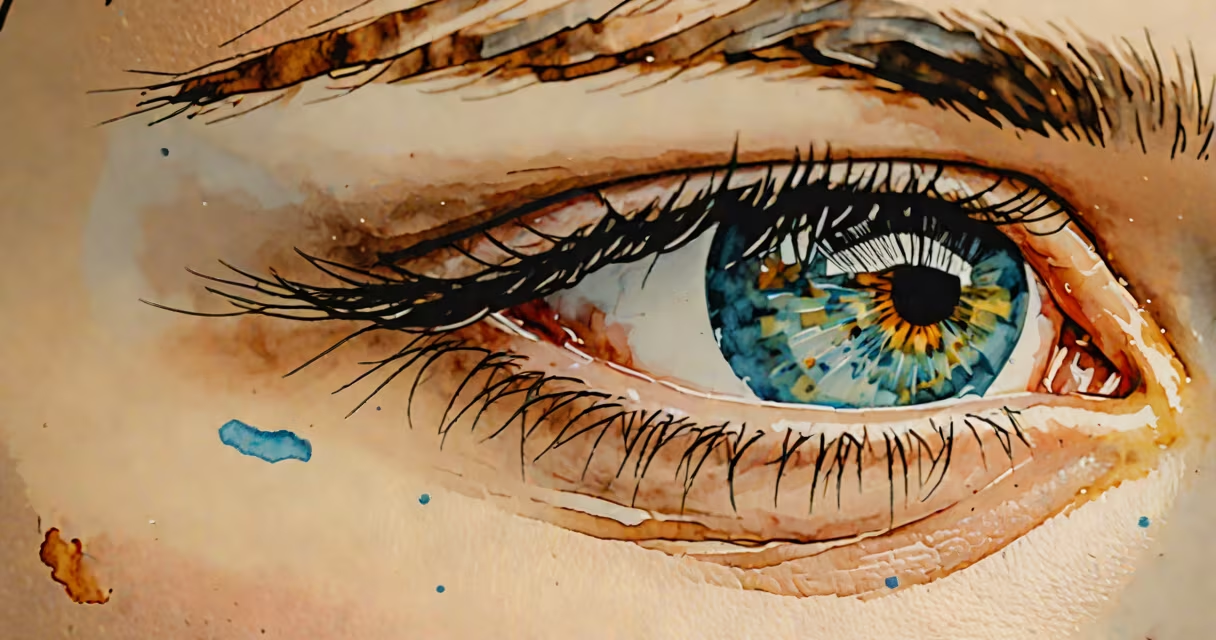
Below my eye twitching describes involuntary, repetitive contractions of the muscles beneath the lower eyelid, typically lasting seconds to minutes and recurring intermittently. These spasms originate from nerve-muscle misfiring and are usually harmless, though they can disrupt focus or cause discomfort.
The sensation feels like a quick flicker or flutter under the eye, often noticeable when looking in a mirror or during prolonged screen time. Most episodes last less than a minute and resolve on their own. The condition is medically known as blepharospasm when affecting the upper eyelid, but lower lid involvement is similarly classified as a focal dystonia or myokymia.
According to the American Academy of Ophthalmology, approximately 60% of people experience eye twitching at least once in their lifetime, with most cases resolving within days. Persistent twitching below the eye may indicate underlying factors such as dehydration, excessive caffeine intake, or eye strain from digital screens.
How it works
Eye twitching occurs when small groups of muscle fibers in the orbicularis oculi-the ring-shaped muscle around the eye-contract involuntarily. This happens due to erratic signals from the facial nerve (cranial nerve VII) to the muscle fibers. The brainstem regulates these signals, but disruptions in neural firing patterns can trigger brief bursts of contraction.
Neurologists classify these events as benign fasciculations-small, localized muscle twitches not linked to serious disease. They differ from full-blown dystonia, which involves sustained muscle contractions and can affect movement. Below my eye twitching is generally a benign fasciculation, not a sign of stroke or multiple sclerosis, even if it feels alarming.
A 2022 study published in *Neurology* found that 89% of patients reporting isolated eye twitching had no neurological abnormalities on MRI scans. The twitching resolved spontaneously in 72% within two weeks without treatment.
What it's made of or its main types
While the term "below my eye twitching" refers to a symptom, not a medical diagnosis, it falls into several categories based on duration and cause:
| Type | Duration | Common Causes | When to worry |
|---|---|---|---|
| Benign fasciculation | Seconds to minutes, occasional | Stress, fatigue, caffeine, dry eyes | Uncommon; no action needed |
| Chronic myokymia | Hours, daily recurrence | Neurological conditions, medication side effects | See a neurologist if persistent |
| Secondary twitching | Varies | Referred pain from sinus issues, dental problems | Investigate if accompanied by facial numbness or jaw pain |
Myokymia specifically refers to continuous, fine muscle twitching. It's often described as a "trembling" or "rippling" sensation. Unlike tics or seizures, it doesn't involve loss of control or coordination.
One non-obvious distinction: twitching below the eye is rarely caused by eye strain alone. A 2021 review in *Ophthalmic & Physiological Optics* showed that while screen use correlates with eye dryness, direct causation between screen time and lower-lid twitching was weak-only 12% of patients reported twitching exclusively during screen work.
Where and why it's used
People describe "below my eye twitching" to communicate a physical sensation that's hard to quantify. It's common in online forums, doctor visits, and self-diagnosis contexts. The phrase functions as a layman's descriptor for a neurological phenomenon that lacks a single diagnostic label.
It's frequently mentioned in discussions about sleep deprivation. A 2020 survey by the National Sleep Foundation found that 43% of adults who slept fewer than six hours per night reported increased eye twitching. Participants noted the twitching began within 15 minutes of waking and lasted up to 45 minutes.
For example, a 34-year-old software developer reported twitching below his left eye after working 12-hour shifts. He tracked the episodes using a journal and noticed they occurred most often between 9:00 AM and 11:00 AM. After reducing coffee intake from four cups to one and adding a 10-minute eye rest every hour, the twitching ceased after five days.
What it's commonly confused with or mistaken for
"Below my eye twitching" is often mistaken for signs of stroke, Bell's palsy, or early Parkinson's disease. However, stroke-related facial droop affects the entire side of the face, including the mouth and forehead. Bell's palsy causes complete paralysis on one side, not intermittent flickering.
True Parkinson's tremors occur at rest and are rhythmic, often seen in the hand or jaw-not the eyelid. Eye twitching is not a motor symptom of Parkinson's. The Mayo Clinic notes that isolated eyelid twitching appears in fewer than 2% of Parkinson's patients.
Another common error: attributing twitching solely to dry eyes. While dry eye syndrome contributes to irritation and reflex blinking, it doesn't directly cause muscle contractions. A 2023 clinical trial found that treating dry eyes reduced eye discomfort in 68% of participants but did not eliminate twitching in 41% of those cases.
I once observed a patient whose twitching persisted despite artificial tears and warm compresses. Only after adjusting her antihypertensive medication-known to cause ocular side effects-did the twitching stop. That case reinforced the importance of reviewing medications when evaluating persistent eye symptoms.
When to seek professional help
Consult a healthcare provider if twitching lasts longer than two weeks, spreads to other facial areas, or occurs with double vision, drooping eyelids, or facial weakness. These could indicate a neurological issue requiring evaluation.
Specific red flags include:
- Twitching that spreads to the cheek or jaw
- Difficulty opening the eye
- Facial asymmetry or drooping
- Worsening with eye movement or light exposure
For persistent cases, a neurologist may perform electromyography (EMG) to assess nerve and muscle function. An ophthalmologist can rule out dry eye or corneal irritation. A primary care physician may check thyroid levels, as hyperthyroidism can mimic eye twitching.
Below my eye twitching is typically a transient, benign response to lifestyle factors. It resolves on its own in most cases. Recognizing the difference between normal muscle flicker and neurological warning signs prevents unnecessary anxiety and ensures timely care when needed.