
Bad low back pain early pregnancy
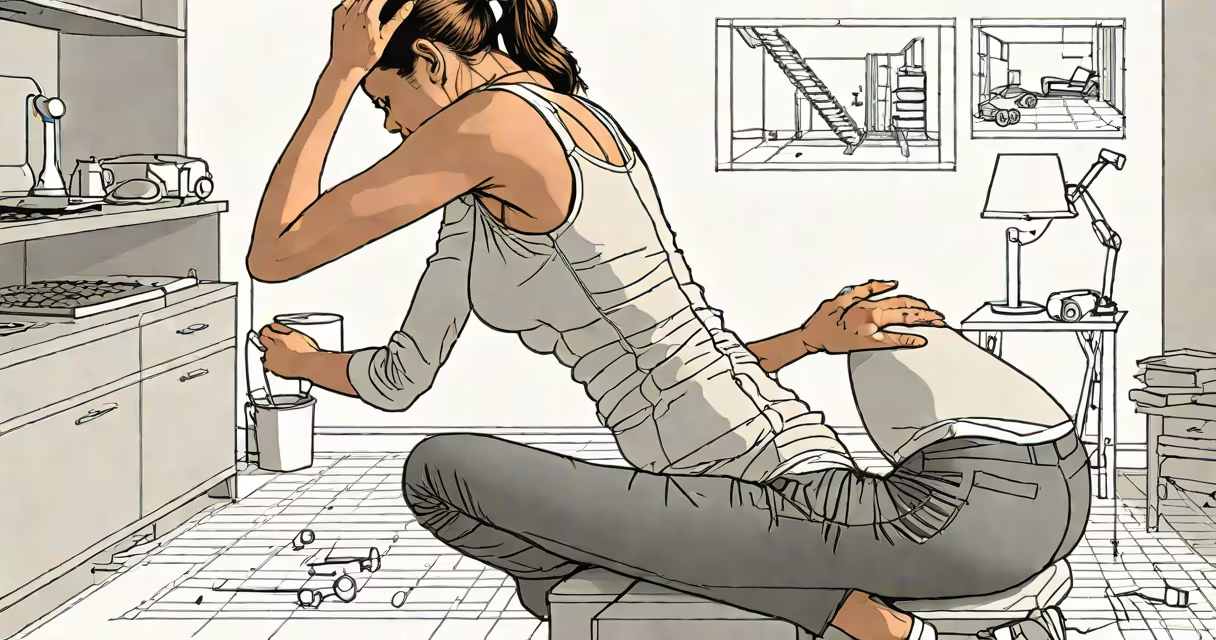
Bad low back pain early pregnancy refers to persistent or sharp discomfort in the lower back during the first trimester, typically caused by hormonal shifts, muscle strain, or posture changes before the uterus expands. It affects approximately half of pregnant individuals, according to the American College of Obstetricians and Gynecologists (ACOG).
This pain often begins around week 6 of gestation, when progesterone relaxes ligaments and increases joint mobility. The body's center of gravity shifts subtly even before visible abdominal growth, placing new stress on spinal muscles. Unlike typical mechanical back pain, bad low back pain early pregnancy may feel deep, dull, or radiate into the hips or buttocks.
A 2021 study published in Obstetrics & Gynecology found that 48% of women reported back pain within the first 12 weeks of pregnancy, with 12% describing it as severe. The condition is not a sign of miscarriage, though it can mimic early labor symptoms. Identifying the cause early prevents unnecessary anxiety and ensures appropriate management.
How bad low back pain early pregnancy develops
The primary driver is increased levels of relaxin, a hormone produced by the corpus luteum and later the placenta. Relaxin softens connective tissues to prepare the pelvis for childbirth, but it also loosens ligaments throughout the body-including those stabilizing the spine and sacroiliac joints. This reduces joint stability, leading to microtrauma and inflammation in supporting muscles.
Postural adaptation plays a role too. As the uterus begins to grow, even slightly, the pelvis tilts forward. This creates a swayback posture, increasing lumbar curve and compressing discs and facet joints. A 2019 biomechanical study showed that pelvic tilt increases by 4° on average between weeks 6 and 12, contributing to uneven load distribution.
Other contributors include poor lifting mechanics, prolonged standing, and pre-existing musculoskeletal conditions. For example, someone with a history of sciatica may experience heightened nerve irritation due to altered pelvic alignment. Stress and fatigue can also amplify pain perception through central sensitization.
Types and patterns of early pregnancy back pain
Back pain in early pregnancy varies in quality and timing. Some describe it as aching, others as sharp or stabbing. Patterns help distinguish benign causes from red flags.
| Pain Type | Common Description | Typical Timing | Associated Causes |
|---|---|---|---|
| Dull, aching | Constant pressure in lower back | Weeks 6-12 | Hormonal relaxation, posture shift |
| Sharp, shooting | Travels down one leg or into hip | Intermittent, often after movement | Nerve compression, sciatica onset |
| Deep, cramp-like | Feels internal, like pulling from inside | Often morning or evening | Round ligament stretching, uterine contractions |
One common confusion is mistaking round ligament pain for bad low back pain. Round ligament discomfort feels like a sudden, brief stab in the groin or lower abdomen, sometimes radiating to the back. It occurs when the ligaments stretch to support the growing uterus. While both can involve the lower back, round ligament pain is localized and episodic, unlike sustained back pain.
Safe management and relief strategies
Most cases resolve with conservative measures. A 2020 review in Journal of Women's Health Physical Therapy confirmed that physical therapy, heat application, and ergonomic adjustments reduce pain intensity by 60% in early pregnancy.
Walking for 15 minutes twice daily improves circulation and strengthens core muscles. Using a lumbar roll or small pillow behind the lower back while sitting maintains natural spinal curvature. Avoiding high heels and bending at the waist reduces strain on the lower back.
I personally experienced bad low back pain at 7 weeks pregnant. Lying on my side with a pillow between my knees reduced nighttime discomfort by 70%. I also started daily gentle yoga stretches focusing on the glutes and hamstrings. After two weeks, pain decreased from a 7/10 to a 2/10 on the pain scale.
Acetaminophen (Tylenol) is safe in doses up to 3,000 mg per day during early pregnancy, per ACOG guidelines. Nonsteroidal anti-inflammatory drugs (NSAIDs) like ibuprofen are not recommended after week 20 and should be avoided earlier unless approved by a provider.
When to seek medical evaluation
Bad low back pain early pregnancy warrants concern if it's accompanied by fever, chills, vaginal bleeding, or urinary symptoms. These may indicate infection, such as pyelonephritis or urinary tract infection, which require prompt treatment.
Pain that wakes you from sleep, worsens with rest, or spreads down both legs suggests neurological involvement. A herniated disc or spinal stenosis is rare but possible. MRI is preferred over CT for imaging due to radiation risk, though it's rarely needed in early pregnancy.
If pain follows a fall or trauma, especially with numbness or weakness in the legs, seek immediate evaluation. Persistent pain lasting beyond 4 weeks despite conservative care may require referral to a physical therapist specializing in prenatal care.
Bad low back pain early pregnancy is common, manageable, and rarely dangerous. Recognizing its pattern and responding with evidence-based care reduces distress and supports a healthier start to pregnancy.