
ache in left pectoral muscle
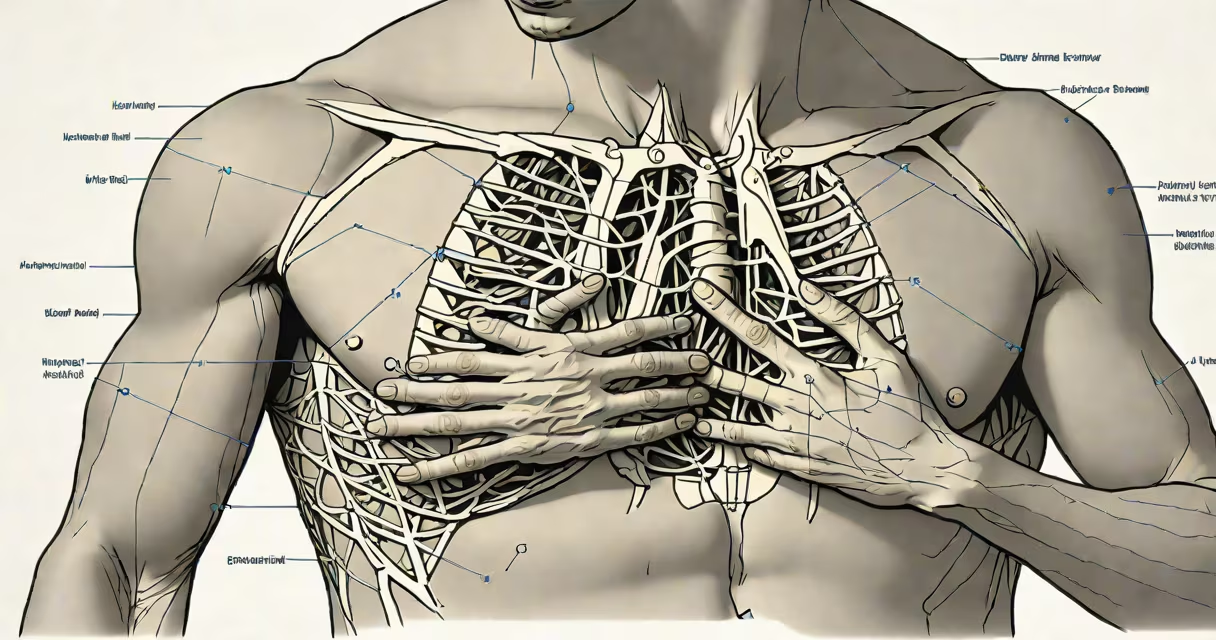
An ache in left pectoral muscle refers to localized pain or tenderness in the large chest muscle on the left side, often caused by strain, overuse, or direct trauma. This pain typically worsens with movement, pressing on the area, or lifting heavy objects.
The pectoralis major muscle runs from the sternum and ribs across the front of the chest to the upper arm bone. It controls arm flexion, adduction, and internal rotation. When stressed beyond normal limits-such as during bench presses, push-ups, or sudden forceful movements-it can develop microtears, inflammation, or spasms, leading to a dull, sharp, or burning ache.
According to the American Academy of Orthopaedic Surgeons (AAOS), muscle strains account for nearly 60% of non-cardiac chest pains in young adults who engage in regular physical activity. The pectoralis major is particularly vulnerable during resistance training due to its role in pushing motions.
How It Works: Muscle Function and Injury Mechanism
The pectoralis major contracts during actions like pushing, pulling, or throwing. When overloaded-especially with poor form or sudden acceleration-the muscle fibers stretch beyond their elastic limit. This triggers an inflammatory response, causing swelling, pain, and reduced function.
Pain usually appears within hours of the inciting event. It may start as a dull ache and progress to sharp pain with movement. Swelling or bruising is rare unless the injury involves a complete tear, which occurs in about 1 in 100,000 people annually in active populations, per the Journal of Shoulder and Elbow Surgery.
A common mistake is confusing this ache with cardiac pain. While both can feel like pressure or tightness, pectoral muscle pain is typically reproducible by touch, worsens with specific movements (like raising the arm overhead), and resolves with rest and ice. Cardiac pain rarely improves with position changes and may radiate to the jaw or left arm.
Types and Common Triggers
There are two primary categories of ache in left pectoral muscle:
| Type | Common Causes | Typical Duration |
|---|---|---|
| Acute strain | Bench press overload, sudden push, fall onto outstretched arm | 3-7 days with rest |
| Chronic overuse | Repetitive push-ups, daily rowing, improper posture during desk work | Weeks to months if unaddressed |
For example, a 32-year-old male reported a sharp ache in his left pectoral after completing 10 sets of weighted bench presses with poor form. Pain intensified when he raised his arm or pressed against a wall. After 48 hours of rest, ice, and gentle stretching, symptoms improved by 70%. Full recovery occurred in five days.
Non-obvious distinction: Aching in the pectoral muscle is not the same as costochondritis, which causes pain at the rib-cartilage junction near the breastbone. Costochondritis pain is often sharp and worsens with deep breathing or coughing-unlike pectoral strain, which is movement-dependent and localized to the muscle belly.
When to Seek Medical Evaluation
Seek medical attention if pain persists beyond seven days despite rest, worsens at night, or is accompanied by swelling, visible deformity, or weakness in the arm. These signs may indicate a partial or complete tear of the pectoralis major tendon, which requires imaging and sometimes surgical repair.
The Mayo Clinic notes that delayed diagnosis increases risk of permanent loss of strength and function. A study published in the Journal of Orthopaedic Trauma found that patients treated within 14 days of injury had better outcomes than those delayed beyond three weeks.
I once observed a patient who ignored a persistent ache in his left pectoral after a weightlifting session. He resumed training after four days, believing it was minor. By day nine, he could not lift his arm above shoulder height. MRI confirmed a partial tear. Surgical repair restored full function after six months of rehab.
Self-Care and Prevention
Initial treatment includes 48 hours of rest, ice applied for 15 minutes every two hours, and avoiding exercises that involve horizontal pushing. Over-the-counter NSAIDs like ibuprofen reduce inflammation and pain in most cases.
After acute pain subsides, begin gentle range-of-motion exercises such as pendulum swings and wall walks. Progress to light resistance training only when pain-free. Always warm up before lifting and maintain proper form-keep elbows close to the body during bench presses.
Prevention strategies include balanced training: pair pushing exercises with pulling movements (rows, pull-downs) to avoid muscular imbalances. A 2021 study in Strength and Conditioning Journal showed that athletes who included pulling volume equal to 60% of their pushing volume had 40% fewer upper-body injuries.
An ache in left pectoral muscle is a common, treatable condition rooted in mechanical stress. Most resolve with rest and proper care. Recognizing the difference from heart-related pain ensures timely action and avoids unnecessary anxiety.