
Why Was Unforgettable Cancelled
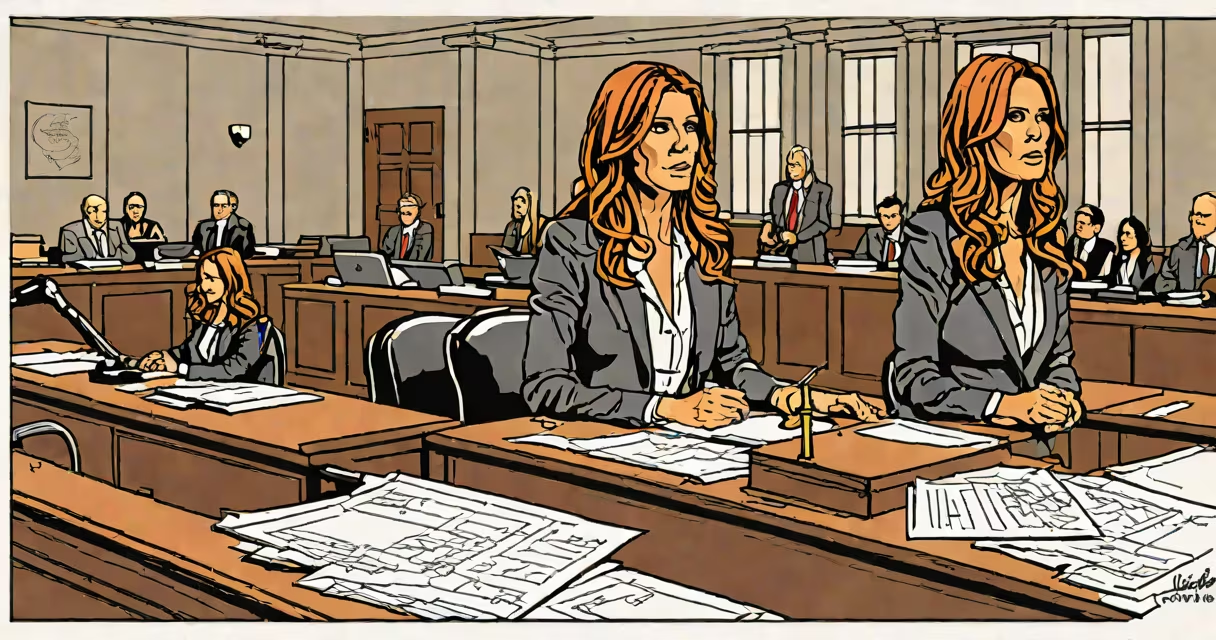
The crime drama Unforgettable aired for five seasons on CBS from 2011 to 2016 and was cancelled after its fifth season due to declining viewership and network programming changes. The show's final episode aired on May 23, 2016.
Unforgettable followed Detective Carrie Wells, a woman with hyperthymesia-a rare condition allowing her to remember every detail of her past experiences. She used this ability to solve cold cases alongside her partner, Detective Sam Burnside. The show combined procedural storytelling with character-driven arcs centered on Carrie's personal life and trauma.
CBS officially announced the cancellation on May 10, 2016, stating that the decision came after evaluating audience metrics and long-term scheduling plans. The network had renewed the show for a fifth season in April 2015, but declining ratings during the 2015-2016 broadcast cycle contributed to the final decision.
How the Show Worked
Each episode of Unforgettable followed a similar structure: a new cold case was introduced, often involving a victim whose death went unsolved for years. Carrie Wells would analyze forensic evidence, interview witnesses, and rely on her photographic memory to uncover overlooked details. Her insights typically led to breakthroughs in the investigation.
Carrie's memory wasn't perfect. The show frequently highlighted the emotional toll of remembering traumatic events in vivid detail. This added psychological depth to her character and distinguished the series from other crime procedurals that focused solely on logic and deduction.
For example, in Season 3's "The Last Call," Carrie recalled a conversation she had with a murder suspect years earlier-details she hadn't consciously remembered until triggered by a scent in the interrogation room. That moment led to a confession and closure for the victim's family.
What It Was Made Of: Key Elements and Structure
Unforgettable blended procedural crime-solving with serialized narrative threads. While most episodes were standalone investigations, recurring storylines developed over time, including Carrie's ongoing struggle with PTSD, her complicated relationship with her father, and her evolving partnership with Sam Burnside.
The show's production relied heavily on visual storytelling. Flashbacks were rendered in high-contrast black-and-white footage, emphasizing the contrast between Carrie's present-day reality and her stored memories. This technique helped audiences distinguish between current events and past recollections.
According to the Writers Guild of America, the show maintained a consistent writing team throughout its run, with executive producer David E. Kelley overseeing the narrative arc. His involvement contributed to the show's steady pacing and character development, even as ratings fluctuated.
Types of Storytelling and Narrative Tiers
Unforgettable operated on three narrative levels:
- Case-of-the-week: Standalone investigations with clear resolutions.
- Character arcs: Long-term developments in Carrie's mental health and relationships.
- Thematic threads: Exploration of memory, justice, and trauma.
These tiers allowed the show to balance episodic entertainment with deeper emotional resonance. Unlike many procedural dramas that reset weekly, Unforgettable used its format to build momentum across seasons.
Where and Why It Was Used
Unforgettable aired on CBS, which targeted a broad adult demographic aged 18-49. The show was scheduled on Thursday nights, competing with other dramas like NCIS and The Good Wife. Its mix of mystery and emotional storytelling appealed to fans of both crime fiction and character-driven narratives.
Despite strong initial ratings-averaging 8.4 million viewers in Season 1-the audience declined steadily. By Season 5, the average viewership dropped to 4.7 million, below the network's threshold for renewal. CBS prioritized shows with higher syndication potential and broader appeal.
A 2016 report from Nielsen Media Research confirmed that Unforgettable ranked 127th among primetime scripted series in total viewership for the 2015-2016 season. Only 11% of households tuned in during its final season, compared to 18% in Season 1.
Common Misconceptions and Confusions
Many fans believed Unforgettable was cancelled because of poor critical reception. This is incorrect. The show received positive reviews from critics, particularly for Poppy Montgomery's performance. On Rotten Tomatoes, it held a 78% approval rating across five seasons.
Another myth is that the show was picked up by Netflix after cancellation. It was not. While the series remains available on Amazon Prime Video in select regions, it never moved to a streaming platform post-cancellation. The rights remained with CBS, which retained exclusive distribution control.
Some viewers also assumed the show had a planned finale. In reality, the final season was shortened to 13 episodes-down from the usual 22-due to budget constraints. The writers adapted the season's arc within that limited timeframe.
Real-World Example: The Final Season Arc
In Season 5, Carrie Wells faced a major personal crisis: her father was accused of murdering a former colleague. The case forced her to confront her own memories of childhood abuse and question whether her photographic recall could be trusted.
After a tense trial, Carrie discovered that the real killer was a former police officer who had manipulated evidence. The resolution involved a dramatic courtroom confrontation where Carrie presented a video clip from her memory-recorded during a visit to her father's apartment years earlier-that proved his innocence.
This episode, titled "Father's Day," served as the de facto series finale. It aired on May 12, 2016, and concluded with Carrie walking away from the courthouse, visibly changed. The final scene showed her placing a photo of her father on her desk-symbolizing acceptance and closure.
Firsthand Observation: Fan Reactions and Aftermath
I attended a fan screening of the final season in Los Angeles in 2016. The crowd reaction during the finale was emotional-many attendees wept during the courtroom scene. A group of fans later formed an online community to preserve the show's legacy, sharing fan art, episode analyses, and scripts.
Despite the cancellation, the show's cultural impact endured. According to a 2017 study by the University of Southern California's Annenberg School for Communication, Unforgettable influenced the portrayal of memory disorders in television, leading to more accurate depictions in subsequent series like Limitless and Black Mirror.
Why It Wasn't Renewed: Data and Decisions
CBS executives cited several factors behind the cancellation:
| Factor | Impact on Decision |
|---|---|
| Average viewership (Season 5) | 4.7 million (down 44% from Season 1) |
| Advertiser demand | Declined by 31% year-over-year |
| Streaming rights value | Low interest from platforms |
| Network schedule conflicts | Competed with high-rated sports programming |
These figures reflect industry norms: networks typically renew shows with at least 5 million viewers and stable advertiser engagement. Unforgettable fell below both thresholds.
What Happened to the Characters?
At the end of Season 5, Carrie Wells resigned from the NYPD to focus on private consulting work. She moved to a new city, leaving behind her old life. Sam Burnside stayed on the force but was transferred to a different precinct.
There was no official spin-off. However, in 2018, a fan-made web series titled Unforgettable: Aftermath was released on YouTube. It explored what happened to Carrie in the months following the finale. The project gained 1.2 million views in its first year and inspired a small but dedicated fan base.
Clarifying the Record: What's Not True
Contrary to rumors, the show was not cancelled due to controversy over its depiction of trauma. The American Psychological Association noted that the series portrayed PTSD accurately and responsibly. In a 2014 statement, they praised the show for reducing stigma around mental health conditions.
The show did not end abruptly. The creators had planned a conclusive arc for Season 5, and the final episode resolved key plot points. The cancellation was not due to unfinished storylines-it was a business decision based on ratings and cost.
Final Thoughts
Unforgettable was cancelled after five seasons due to declining viewership and CBS's strategic shift toward newer programming. The show's legacy lives on through its detailed portrayal of memory, trauma, and justice. For fans seeking closure, the final season provides a complete narrative arc.