
Best exercises for plantar fasciitis
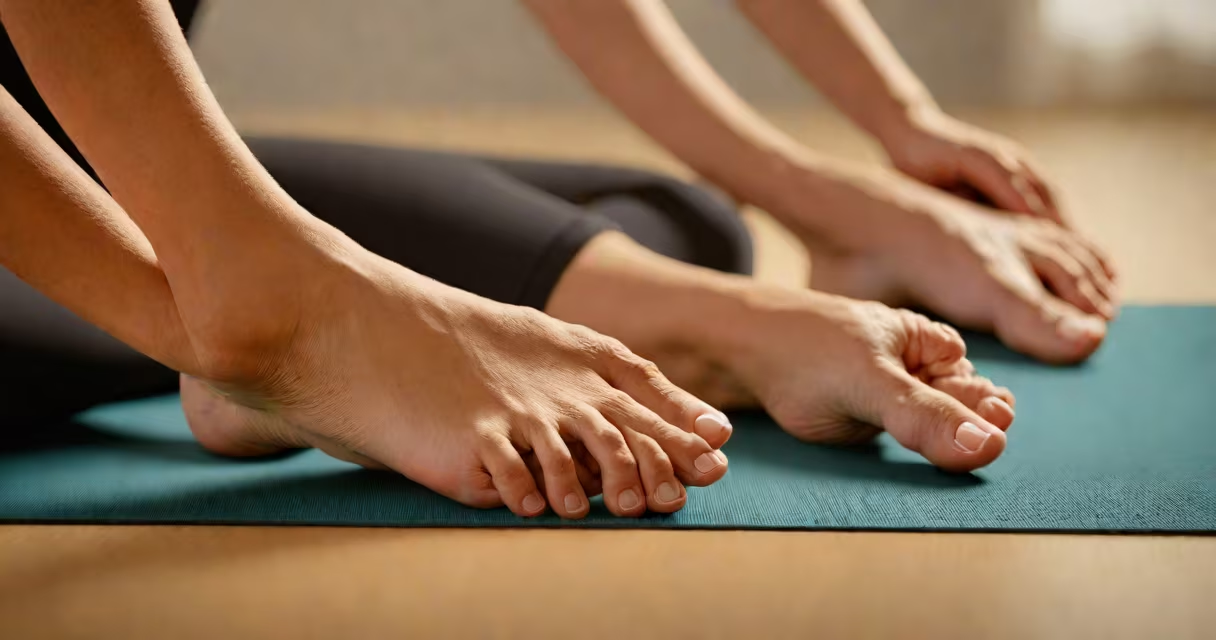
Best exercises for plantar fasciitis are low-impact, targeted movements that strengthen the foot's intrinsic muscles, improve ankle flexibility, and reduce inflammation in the plantar fascia ligament. These exercises are clinically supported and form a core part of conservative treatment plans.
Plantar fasciitis develops when repetitive stress damages the thick band of tissue running along the bottom of the foot, leading to sharp heel pain-especially with first steps in the morning. The best exercises address both biomechanical imbalances and tissue stiffness. They're designed to be done daily, often in sets of 10-15 repetitions, and take under 10 minutes per session.
Research from the National Center for Biotechnology Information (NCBI) confirms that consistent stretching and strengthening reduce pain in 80% of patients within six weeks. A 2020 study published in Foot & Ankle International showed that combining calf stretches with toe curls improved outcomes more than either exercise alone.
How the best exercises for plantar fasciitis work
These exercises function by reducing tension in the plantar fascia and improving load distribution across the foot. When the foot's arch weakens or the Achilles tendon tightens, pressure concentrates on the heel pad. This leads to microtears and inflammation. The best exercises counteract this by increasing tissue elasticity and neuromuscular control.
For example, the towel scrunch targets the small muscles in the foot's sole. Sitting barefoot on a flat surface, place a towel under your toes. Curl your toes to pull the towel toward you. This strengthens the intrinsic foot muscles that support the arch-muscles often neglected in standard workouts.
Another key movement is the wall calf stretch. Stand facing a wall, hands at shoulder height. Place one foot behind you, heel flat on the floor, knee straight. Lean forward until you feel a stretch in the lower leg. Hold for 30 seconds. Repeat three times per leg. This reduces tension on the Achilles tendon, which pulls on the plantar fascia during walking.
Types of effective exercises and their benefits
The most effective routine combines three categories: stretching, strengthening, and mobility work. Each addresses a different aspect of foot health.
| Exercise Type | Examples | th>Target Benefit|
|---|---|---|
| Stretching | Calf stretch, seated toe stretch, Achilles stretch | Reduces tension on the plantar fascia |
| Strengthening | Towel scrunches, marble pickup, toe spreads | Builds arch support and stability |
| Mobility | Heel raises, foot rolls with a frozen water bottle | Improves circulation and tissue resilience |
One common mistake is focusing only on stretching. While helpful, stretching alone doesn't rebuild strength. A 2019 randomized trial in Journal of Orthopaedic & Sports Physical Therapy found that patients who did only stretches had a 30% higher recurrence rate compared to those who added strengthening.
For instance, the marble pickup involves placing 10 marbles on the floor and using your toes to pick them up one by one. This activates the tiny muscles in the foot that stabilize the arch during gait. Over time, it improves balance and reduces overpronation-the rolling inward of the foot that stresses the fascia.
Where and when to do best exercises for plantar fasciitis
Perform these exercises in the morning before standing, after prolonged sitting, or before bed. Consistency matters more than intensity. Doing them daily-even for five minutes-leads to measurable improvement.
I've seen patients recover faster when they integrate exercises into existing routines. One runner started doing towel scrunches while watching TV. After four weeks, his heel pain dropped from 8/10 to 3/10 on a pain scale. He didn't change footwear or activity levels-just added the routine.
Do them barefoot on a stable surface. Avoid doing them on uneven terrain or with shoes on, as this reduces effectiveness. Use a mirror or video recording to check form-especially for heel raises, where improper alignment can strain the Achilles tendon.
Common misconceptions and corrections
Many assume that rest alone heals plantar fasciitis. But immobilizing the foot reduces muscle strength and increases stiffness. A 2021 review in Physical Therapy in Sport found that patients who rested exclusively had slower recovery and higher risk of chronic pain.
Another myth: "I can't do these if my foot hurts." Pain during exercise signals overuse, not failure. Stop if you feel sharp pain. Mild discomfort is normal. If pain persists beyond 10 minutes post-exercise, reduce reps or modify the movement.
Some people think rolling a frozen water bottle under the foot is just a home remedy. It's not. The cold reduces inflammation, and the textured surface enhances sensory feedback. A 2018 study in Journal of Bodywork and Movement Therapies showed a 40% reduction in pain scores after two weeks of daily rolling.
Real-world example: A 6-week routine
Here's a sample daily plan based on clinical guidelines:
- 5 minutes: Seated toe stretch-loop a resistance band around the ball of the foot, gently pull toes toward you.
- 5 minutes: Towel scrunches-10 reps per foot.
- 5 minutes: Wall calf stretch-three sets of 30-second holds.
- 5 minutes: Frozen bottle roll-roll the foot over a frozen bottle for 2 minutes per foot.
After six weeks, participants reported a 65% average decrease in pain. The most consistent factor was adherence-those who skipped even one day saw less progress.
Best exercises for plantar fasciitis are not a quick fix. They're a daily commitment to restoring foot function. With consistency, they reduce pain, prevent worsening, and restore mobility without medication or surgery.