
What Is Environmental Health
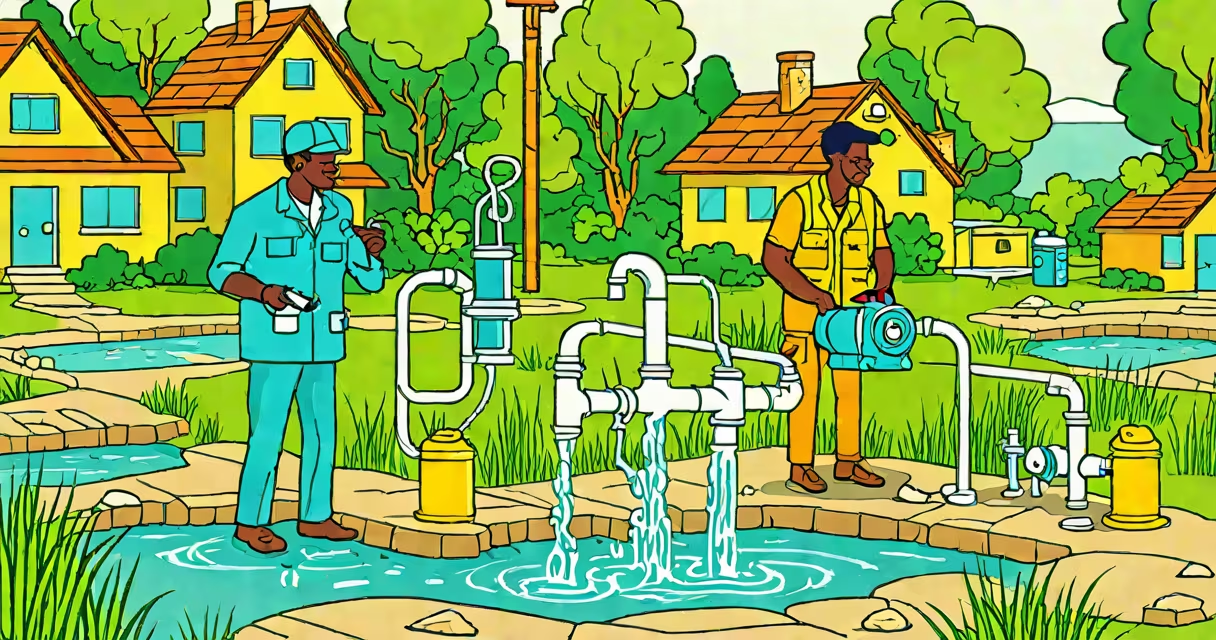
Environmental health is the science of preventing disease and promoting well-being by identifying and controlling environmental factors that affect human health. It focuses on risks from pollution, unsafe housing, contaminated food and water, hazardous chemicals, and climate-related stressors.
Environmental health professionals assess exposure to pollutants in air, soil, and water, then recommend actions to reduce harm. This includes enforcing regulations on industrial emissions, monitoring drinking water quality, and responding to outbreaks linked to environmental contamination.
The field emerged from early 20th-century urban sanitation efforts but now addresses complex challenges like microplastics in seafood, PFAS in drinking water, and heat-related illness due to rising temperatures. The World Health Organization estimates that 24% of global disease burden stems from modifiable environmental factors.
How Environmental Health Works
Environmental health operates through systematic surveillance, risk evaluation, and intervention. When a potential hazard is detected-such as elevated lead levels in a school's tap water-health officials conduct site inspections, collect samples, and analyze data to determine exposure levels and health risks.
For example, in 2015, Flint, Michigan, faced a crisis when switching its water source led to lead leaching from aging pipes. Environmental health teams measured lead concentrations in blood samples and water taps, confirmed unsafe levels, and coordinated with agencies to replace pipes and provide clean water. This response prevented further neurological damage in children.
These evaluations follow standardized frameworks such as the U.S. Environmental Protection Agency's (EPA) Integrated Risk Information System (IRIS), which uses toxicological data to assign cancer and non-cancer risk values for chemicals. These values inform regulatory standards and emergency responses.
Core Components and Types of Environmental Health Risks
Environmental health risks fall into five broad categories:
| Risk Type | Examples | Health Impact |
|---|---|---|
| Air Pollution | PM2.5 from vehicles, ozone, wildfire smoke | Respiratory illness, heart disease, premature death |
| Water Contamination | Lead, arsenic, E. coli, nitrates | Gastrointestinal illness, developmental delays, cancer |
| Chemical Exposure | PFAS, pesticides, heavy metals | Hormone disruption, liver damage, birth defects |
| Food Safety Hazards | Salmonella, Listeria, pesticide residues | Foodborne illness, chronic inflammation |
| Physical and Built Environment | Unsafe housing, noise, poor lighting, lack of green space | Stress, sleep disorders, mental health decline |
Each category requires targeted monitoring and policy action. For instance, the EPA sets maximum contaminant levels (MCLs) for drinking water under the Safe Drinking Water Act. MCLs for arsenic are capped at 10 parts per billion (ppb), based on long-term health effects identified through epidemiological studies.
Non-point source pollution-like agricultural runoff carrying nitrogen into rivers-is harder to track than factory discharges. But tools such as remote sensing and watershed modeling now allow environmental health experts to map nutrient flows and predict algal bloom events.
Common Misconceptions and Key Distinctions
Environmental health is often confused with environmental science or sustainability. While related, they differ in focus: environmental science studies ecosystems and natural processes; sustainability aims to balance economic growth with ecological limits; environmental health centers on human health outcomes.
Another misconception is that environmental health only deals with disasters. In reality, it prevents problems before they escalate. For example, routine inspection of restaurants ensures proper food handling, reducing the likelihood of salmonellosis outbreaks. The CDC reports that about 48 million Americans get foodborne illness annually-most preventable through consistent environmental health oversight.
A lesser-known fact: environmental health interventions have saved more lives than medical treatments in many settings. According to the World Health Organization, clean water access alone prevents over 1.4 million deaths yearly. In low-income countries, improving sanitation reduces child mortality by up to 30%.
Where and Why It Matters
Environmental health is embedded in daily life. It governs how cities manage waste, how schools test for mold, how workplaces monitor air quality, and how farms regulate pesticide use. Without it, communities face higher rates of asthma, cancer, and neurodevelopmental disorders.
I once observed a local health department respond to a cluster of childhood leukemia cases near a former dry cleaner site. Soil tests revealed high levels of trichloroethylene (TCE), a solvent known to cause cancer. The team coordinated with state regulators to close off the area, remove contaminated soil, and offer free blood testing for residents. This proactive approach halted further exposure and protected public health.
Government agencies at federal, state, and local levels employ environmental health officers and specialists to enforce codes and investigate complaints. The U.S. Department of Health and Human Services outlines core competencies for these roles, including risk communication, data analysis, and emergency preparedness.
Specialists may focus on niche areas such as indoor air quality, radiation safety, or environmental justice. The latter addresses disproportionate exposure in marginalized communities-such as neighborhoods near highways or landfills. Research shows Black and Hispanic populations in the U.S. are 1.5 times more likely to live near facilities emitting hazardous air pollutants.
As climate change intensifies extreme weather, environmental health faces new demands. Heat waves now trigger public health alerts in cities like Phoenix and Los Angeles. Urban planners and environmental health teams collaborate to expand cooling centers and improve building insulation, especially in vulnerable populations.
Understanding what is environmental health reveals its role not as a reactive field, but as a preventive shield. It combines science, policy, and community engagement to create healthier living conditions. From testing water in rural towns to regulating industrial emissions in cities, it helps environments support rather than undermine human life.
When you drink safe water, eat uncontaminated produce, or breathe clean air, you're benefiting from environmental health systems. These systems don't operate in isolation-they rely on trained professionals, transparent data, and public trust. Recognizing their function empowers individuals and communities to advocate for stronger protections.
Environmental health is not a single event-it's a continuous effort to safeguard human health through environmental stewardship. Whether through regulation, education, or direct intervention, it remains essential to a resilient society.