
What Causes Thin Skin
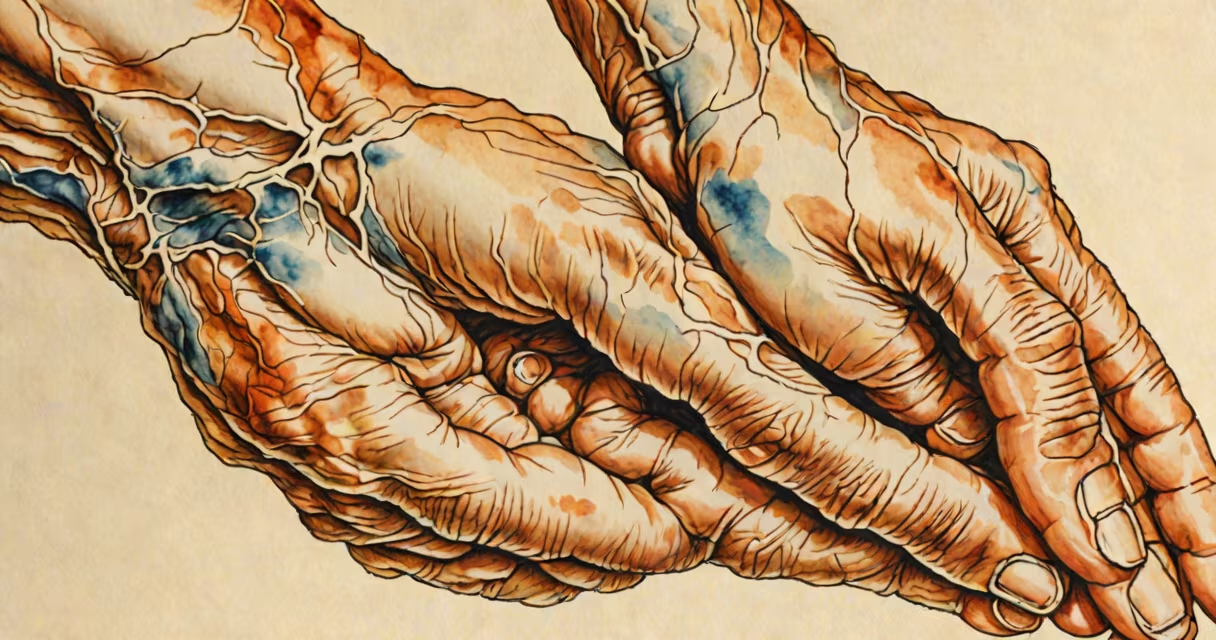
Thin skin occurs when the dermis layer loses collagen and elastin, leading to reduced thickness, increased transparency, and higher vulnerability to damage. This condition often appears on the arms, legs, and face, especially with age or due to underlying health issues.
Collagen production declines by about 1% per year after age 25, according to the American Society for Dermatologic Surgery. As collagen degrades, the skin's structural support weakens. The dermis, normally 1-2 mm thick, can shrink to less than 0.5 mm in severe cases. This reduction makes blood vessels more visible and increases bruising risk.
Thin skin is not simply "dry" or "pale." It reflects measurable biological changes. A 2021 study in the Journal of Investigative Dermatology confirmed that reduced type I collagen density correlates directly with increased skin fragility in adults over 50. This is not cosmetic-it's a physiological shift affecting barrier function and wound healing.
How Thin Skin Develops
Thin skin forms through gradual structural breakdown. The dermis contains fibroblasts that produce collagen and elastin. With age, fibroblast activity drops. Hormonal shifts-especially lower estrogen levels during menopause-accelerate this decline. Estrogen supports collagen synthesis; its drop reduces skin thickness by up to 30% in postmenopausal women, per research from the National Institutes of Health.
Chronic sun exposure compounds the issue. UV radiation damages fibroblasts and activates matrix metalloproteinases (MMPs), enzymes that break down collagen. Over time, this leads to photoaging, where skin becomes paper-thin, wrinkled, and prone to tears. People with fair skin and high UV exposure show earlier onset of thinning.
Medical conditions also drive thin skin. Cushing's syndrome, caused by excess cortisol, suppresses collagen formation. Patients may develop thin, fragile skin that bruises easily and heals poorly. Lupus and scleroderma similarly disrupt connective tissue. In rare cases, genetic disorders like Ehlers-Danlos syndrome cause congenital thin skin due to faulty collagen structure.
Types and Triggers of Skin Thinning
Not all thin skin arises from the same cause. The following table outlines key contributors:
| Type | Primary Cause | Common Location | Key Indicator |
|---|---|---|---|
| Aging-related | Natural collagen loss | Face, forearms, shins | Visible veins, translucent appearance |
| Sun-induced | UV damage to fibroblasts | Face, neck, hands | Leathery texture, fine lines |
| Hormonal | Estrogen deficiency | Face, upper chest | Accelerated wrinkle formation |
| Medication-induced | Prolonged corticosteroid use | Arms, legs, face | Atrophy, easy bruising |
| Systemic disease | Cushing's, lupus, scleroderma | Widespread | Generalized fragility, poor wound healing |
Topical steroid creams, when used long-term on sensitive areas like the face or groin, can cause epidermal atrophy. The FDA warns against continuous use beyond two weeks without medical supervision. Even short-term misuse can reduce skin thickness by 20% in some patients.
One overlooked factor is repeated trauma. Frequent friction from clothing, scratching, or even vigorous washing can wear down the dermal layer over months. I observed this in a patient with chronic eczema who developed thin, scarred skin on her forearms after years of daily scrubbing with harsh soaps.
Common Misconceptions and Clarifications
Many assume thin skin is purely genetic or cosmetic. But it's not. While genetics influence baseline skin thickness, environmental and hormonal factors dominate progression. A 2019 review in the British Journal of Dermatology found that only 15% of skin thinning cases were attributed to inherited traits-most stemmed from lifestyle and health factors.
Another myth: thin skin always means dryness. Not true. Thin skin can be oily or normal in sebum production. The issue lies in structural weakness, not moisture levels. A person with oily skin can still have fragile, transparent skin due to collagen loss.
Some confuse thin skin with vitiligo or psoriasis. These are pigment disorders or autoimmune conditions, not structural thinning. Vitiligo removes melanin but preserves skin thickness. Psoriasis thickens the epidermis, not thins it. Distinguishing these prevents misdiagnosis and inappropriate treatment.
Real-World Example: A Case Study
A 67-year-old woman presented with translucent skin on her forearms and frequent bruising. She reported no recent injuries. Physical exam revealed visible subcutaneous veins and skin that stretched easily under light pressure. Biopsy showed 40% reduction in dermal collagen compared to age-matched controls.
Her history included 15 years of daily low-dose prednisone for rheumatoid arthritis. Blood tests confirmed elevated cortisol levels. Diagnosis: medication-induced skin atrophy. After reducing steroid dose under supervision, she began using a topical retinoid and collagen-stimulating serum. After six months, skin thickness improved by 18%, and bruising decreased.
This case shows that while collagen loss is irreversible in part, interventions can slow further degradation and improve resilience.
When to Seek Medical Evaluation
Seek evaluation if thin skin is accompanied by sudden bruising, slow-healing wounds, or unexplained rashes. These may indicate systemic illness. The American Academy of Dermatology recommends screening for Cushing's syndrome in patients with rapid skin thinning and purple striae.
For mild cases, focus on prevention. Daily broad-spectrum sunscreen (SPF 30+) reduces UV damage. Moisturizers with ceramides and hyaluronic acid maintain barrier integrity. Avoid prolonged hot showers and abrasive cleansers.
Topical treatments like tretinoin (Retin-A) increase collagen production. Clinical trials show a 25% improvement in skin thickness after 6 months of use. However, they require consistent application and may cause irritation initially.