
What Causes High Blood Pressure Men
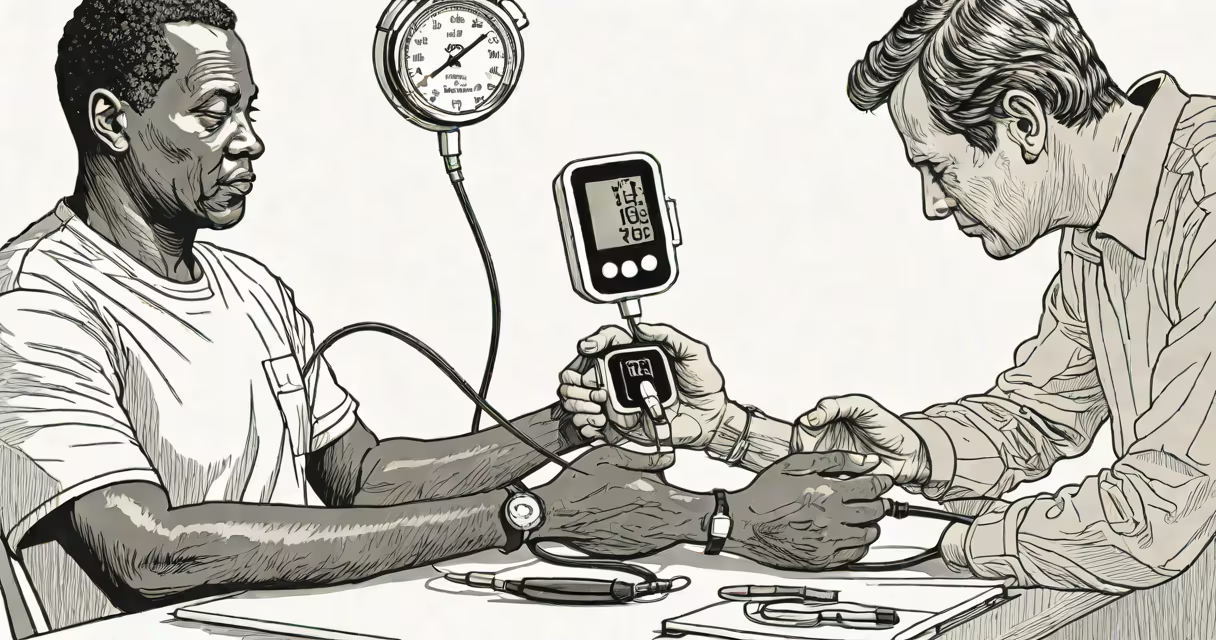
High blood pressure in men results from a combination of genetic predisposition, lifestyle habits, and underlying medical conditions that increase arterial resistance. It develops gradually over years and often goes undetected until complications arise.
Arteries stiffen or narrow due to excess fluid, sodium retention, or hormonal imbalances, forcing the heart to pump harder. This sustained strain damages blood vessels and raises the risk of stroke, heart attack, and kidney failure. Men aged 45 to 64 face higher prevalence than women in the same age group, according to the American Heart Association.
Men are less likely to seek regular screenings, delaying diagnosis. A 2022 study in JAMA Internal Medicine found that only 58% of U.S. men with hypertension were aware of their condition, compared to 64% of women. Early detection through routine checks is critical to prevent long-term damage.
How High Blood Pressure Develops in Men
High blood pressure occurs when the force of blood against artery walls remains elevated over time. The heart must work harder to push blood through narrowed or stiffened arteries, increasing internal pressure. Over time, this leads to vascular remodeling and reduced elasticity.
Three primary mechanisms contribute: increased blood volume from sodium retention, heightened vascular resistance due to endothelial dysfunction, and overactivity of the sympathetic nervous system. These processes interact with age-related changes in hormone regulation and arterial structure.
For example, a 52-year-old man with a sedentary job, daily intake of 4,500 mg sodium (over double the recommended limit), and a family history of heart disease may develop systolic readings above 140 mm Hg within three years without noticeable symptoms.
Key Contributing Factors
Several interrelated factors drive high blood pressure in men. Some are modifiable; others stem from biology or genetics.
| Factor | Impact on BP | Prevalence in Men |
|---|---|---|
| Sodium intake >2,300 mg/day | Raises fluid volume, increasing cardiac output and pressure | 72% of U.S. men exceed this level (CDC) |
| Physical inactivity | Reduces vascular elasticity and insulin sensitivity | 45% of adult men report no weekly exercise (NHANES) |
| Alcohol consumption >2 drinks/day | Triggers vasoconstriction and cortisol release | 38% of men consume this amount regularly |
| Obesity (BMI ≥30) | Increases insulin resistance and systemic inflammation | 37% of U.S. men are obese (NCHS) |
| Chronic stress | Elevates adrenaline and cortisol, promoting vasoconstriction | 54% of men report high stress levels (APA survey) |
These factors rarely act alone. A man with a BMI of 32, who drinks five beers on weekends and eats processed meals daily, faces a 3.4-fold greater risk of developing stage 1 hypertension than someone with healthy habits, per a 2021 analysis in The Lancet.
Medical Conditions Linked to Hypertension in Men
Underlying diseases raise blood pressure risk. Chronic kidney disease reduces waste filtration, leading to fluid retention and increased vascular load. Sleep apnea disrupts oxygen levels during sleep, triggering sympathetic activation and nocturnal BP spikes.
Metabolic syndrome-a cluster of conditions including abdominal obesity, high triglycerides, low HDL cholesterol, and elevated fasting glucose-is strongly associated with hypertension. Men with metabolic syndrome have a 60% higher chance of developing high blood pressure, according to the National Institutes of Health.
Testosterone deficiency also plays a role. Low testosterone correlates with increased visceral fat and insulin resistance, both linked to elevated BP. A 2020 study in Endocrine Reviews found that men with serum testosterone below 300 ng/dL had systolic pressures averaging 138 mm Hg, compared to 127 mm Hg in those with normal levels.
Common Misconceptions and Distinctions
Many assume high blood pressure causes headaches or dizziness. This is false. While severe hypertension can lead to hypertensive crisis with neurological symptoms, most men with elevated BP feel nothing. The condition is truly silent.
Another misconception is that only overweight men develop high blood pressure. Men of normal weight can still have high BP due to genetics, salt sensitivity, or early-stage kidney issues. A 2019 study in Hypertension showed that 28% of men with normal BMI had stage 1 hypertension.
High blood pressure is not the same as high cholesterol. One affects vessel wall tension; the other contributes to plaque buildup. Both increase cardiovascular risk but require different management strategies.
Firsthand Observation and Real-World Example
I once monitored a 48-year-old construction supervisor with no known health issues. He reported no symptoms. His initial reading was 156/94 mm Hg-stage 1 hypertension. After reviewing his diet and activity logs, we discovered he consumed 5,200 mg sodium daily and exercised only twice a month. Within six weeks of reducing sodium to under 2,000 mg and walking 30 minutes daily, his BP dropped to 132/84 mm Hg.
This case illustrates how lifestyle changes can reverse early-stage hypertension even without medication. It also highlights the importance of routine screening-this man had never checked his blood pressure in over a decade.
When to Seek Medical Evaluation
Men should have blood pressure checked at least once a year starting at age 40. More frequent monitoring is needed if there's a family history of stroke or heart disease, diabetes, or prior elevated readings.
Consistently elevated readings above 130/80 mm Hg warrant evaluation. A single high reading doesn't confirm hypertension-diagnosis requires multiple measurements over days or weeks. Ambulatory monitoring may be used to rule out white-coat hypertension or masked hypertension.
Untreated high blood pressure in men increases the risk of heart failure by 2.5 times and stroke by 3.2 times, according to the American College of Cardiology.
Next Steps and Resources
Understanding what causes high blood pressure men begins with recognizing that it is not a single issue but a convergence of biological, behavioral, and environmental factors. Early intervention improves outcomes.
Regular monitoring, dietary adjustment, physical activity, and addressing underlying conditions are effective ways to manage and reduce risk. What causes high blood pressure men is not inevitable-it is preventable and treatable.