
What Can Make You Faint
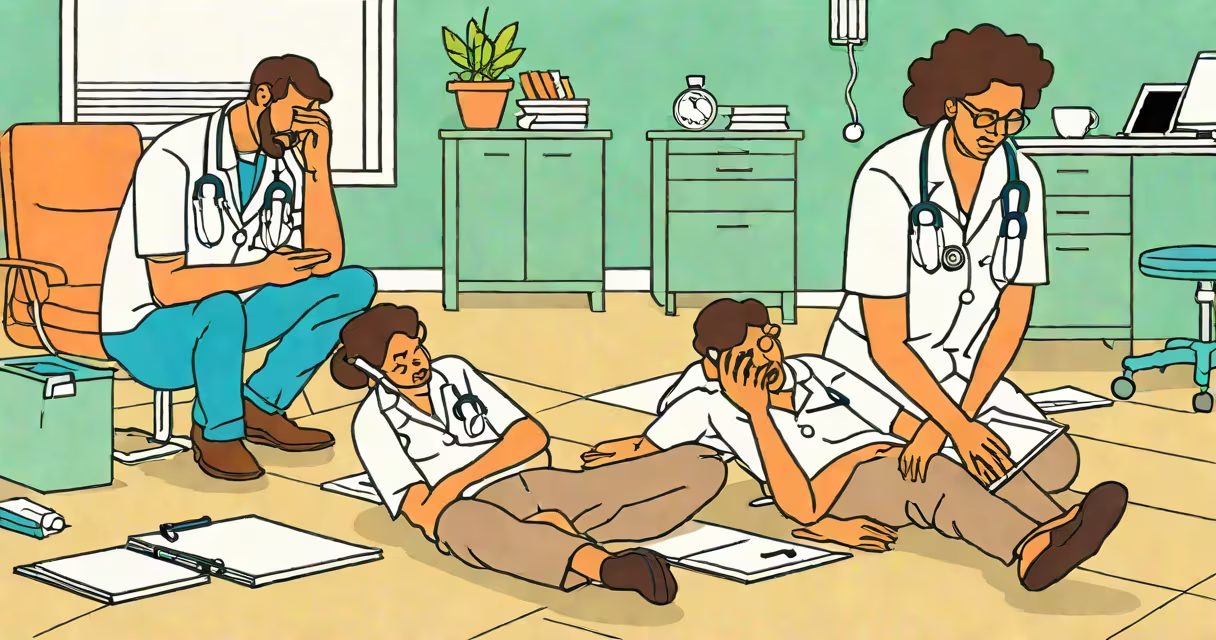
Fainting happens when reduced blood flow to the brain causes a brief loss of consciousness. It typically lasts seconds to minutes and resolves quickly with lying down. The most common cause is vasovagal syncope, triggered by emotional stress, pain, or prolonged standing.
When blood pressure drops sharply, the brain doesn't receive enough oxygen. This leads to sudden weakness, blurred vision, sweating, and collapse. Most fainting episodes are harmless and resolve within 30 seconds after reclining. However, recurrent or unexplained fainting requires medical evaluation to rule out heart or neurological conditions.
According to the American Heart Association, about 25% of people experience at least one fainting episode in their lifetime. The majority of cases stem from benign causes like dehydration, overheating, or sudden posture changes. But when fainting occurs during physical exertion or without warning, it may signal a serious underlying issue.
How Fainting Happens
The body maintains blood pressure through a balance of heart rate, blood vessel constriction, and fluid volume. When this system fails, cerebral perfusion drops. The brain's autonomic nervous system normally responds by increasing heart rate and constricting blood vessels. But in some cases, the response reverses - heart rate slows, and blood vessels dilate, causing a rapid drop in blood pressure.
This reflex is known as vasovagal syncope. It often follows emotional triggers such as fear of needles, seeing blood, or intense anxiety. The vagus nerve overreacts, slowing the heart and lowering blood pressure. A 2021 study in Neurology found that 70% of young adults who fainted in emergency departments had vasovagal episodes, with no structural heart disease detected.
Another mechanism is orthostatic hypotension - a drop in blood pressure upon standing. This affects about 10% of older adults and can result from medications, dehydration, or autonomic neuropathy. A person may feel dizzy and collapse within seconds of rising from a seated position. Blood pressure readings below 90/60 mmHg while upright confirm the diagnosis.
Types of Fainting and Their Triggers
Fainting is categorized by cause. The three main types are neurally mediated (vasovagal), situational, and cardiac-related. Neurally mediated is the most common, accounting for 80% of cases in otherwise healthy individuals.
| Type | Trigger | Frequency | Key Feature |
|---|---|---|---|
| Vasovagal | Emotional stress, pain, heat, prolonged standing | Most common | Recovery within 1 minute after lying down |
| Situational | Coughing, urination, swallowing, defecation | Rare | Occurs predictably in specific situations |
| Cardiac | Arrhythmias, structural heart disease | Less than 5% | Can be life-threatening; requires immediate evaluation |
One non-obvious distinction: fainting during exercise is rarely due to vasovagal reflex. Instead, it suggests arrhythmia or structural heart problems. The European Society of Cardiology recommends an electrocardiogram and echocardiogram for anyone who faints during physical activity.
I once observed a 28-year-old woman faint during a routine blood draw. She reported feeling lightheaded, then collapsed. Within 20 seconds of lying flat, she regained full awareness. No further symptoms occurred. Her history included fainting during stressful exams and prior dental visits. This pattern fits vasovagal syncope - a benign condition that doesn't require treatment unless frequent.
Conditions That Mimic Fainting
Some events resemble fainting but are not true syncope. Seizures, especially absence seizures, can cause brief lapses in awareness. They often involve staring, eye blinking, or subtle movements. Unlike fainting, they don't improve with lying down and may recur without warning.
Low blood sugar (hypoglycemia) can mimic fainting with symptoms like sweating, tremors, confusion, and weakness. But unlike syncope, hypoglycemia persists until glucose levels rise. Testing blood glucose during an episode confirms the diagnosis. People with diabetes must monitor levels closely to avoid this.
When to Seek Medical Help
Fainting during or after exertion, in the absence of a clear trigger, warrants urgent evaluation. So does fainting in someone over 40 with risk factors like high blood pressure, smoking, or family history of sudden cardiac death. The American College of Cardiology advises testing for arrhythmias using Holter monitors or event recorders.
A single fainting episode without warning signs may not require intervention. But recurrent episodes, especially with chest pain, palpitations, or family history of sudden death, demand cardiology assessment. An electrocardiogram, echocardiogram, and tilt-table test help differentiate between benign and dangerous causes.
True fainting is a protective reflex. The body collapses to restore blood flow to the brain. Recognizing the difference between fainting and other neurological events prevents unnecessary testing and ensures timely care when needed.