
What Are Some Symptoms of Leukemia
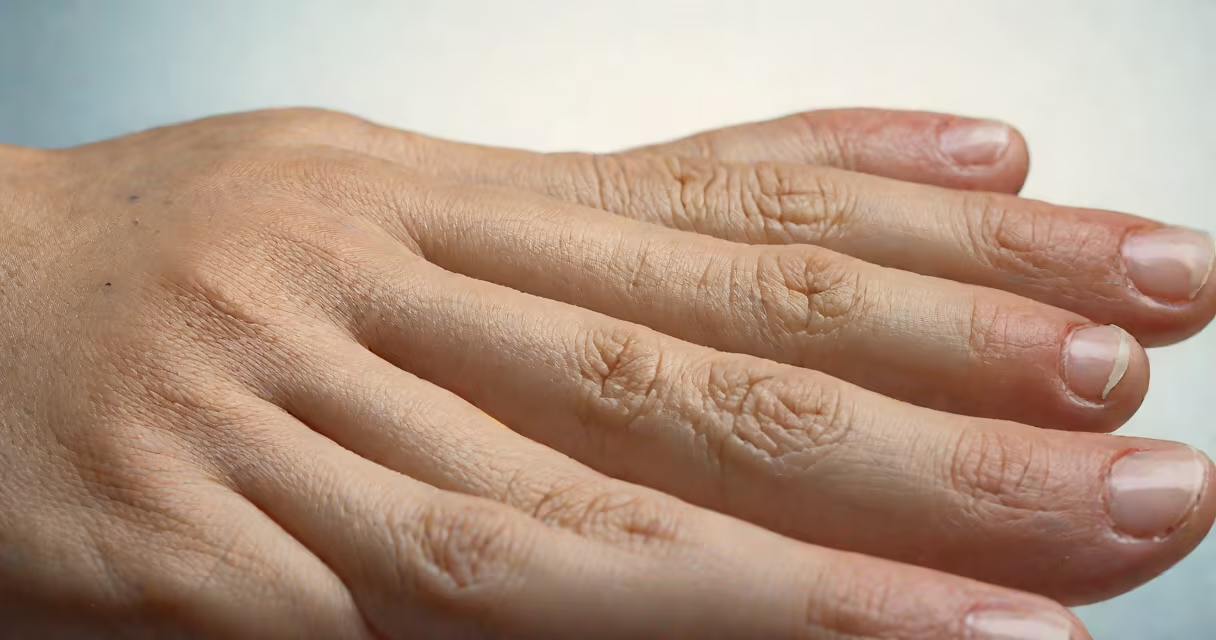
Leukemia is a group of blood cancers that originate in the bone marrow and affect white blood cell production. Common symptoms include persistent fatigue, frequent infections, unexplained bruising or bleeding, night sweats, and unintentional weight loss. These signs often develop gradually and may mimic other conditions, delaying diagnosis.
Leukemia arises when abnormal white blood cells multiply uncontrollably, crowding out healthy blood cells. This disrupts normal function: red blood cells drop, causing anemia and fatigue; platelets decrease, leading to easy bruising and nosebleeds; and immune defenses weaken, increasing infection risk. The disease can progress rapidly (acute) or slowly (chronic), affecting symptom onset and severity.
According to the American Cancer Society, about 61,000 new cases of leukemia were diagnosed in the U.S. in 2023, with acute myeloid leukemia (AML) and chronic lymphocytic leukemia (CLL) being the most common subtypes. Early detection improves survival rates, especially in children, where five-year survival exceeds 90% for certain forms.
How Leukemia Symptoms Develop
Symptoms emerge as abnormal white blood cells accumulate in the bone marrow and bloodstream. These cells fail to fight infections effectively and displace healthy cells needed for oxygen transport, clotting, and immunity. As levels rise, organ systems begin to show dysfunction.
Fatigue is the most frequently reported symptom, affecting over 70% of patients during initial evaluation. It results from reduced red blood cell counts (anemia), which impair oxygen delivery to tissues. Patients describe exhaustion that doesn't improve with rest-distinct from typical tiredness after physical exertion.
Unexplained bruising occurs when platelet counts fall below 100,000 per microliter. A study published in Blood Advances found that 40% of newly diagnosed adults presented with petechiae-tiny red or purple spots under the skin caused by broken capillaries. These appear without injury and often cluster on legs or arms.
Common Signs and Their Underlying Causes
Leukemia manifests through systemic effects. The following table outlines key symptoms, their biological basis, and prevalence in clinical reports.
| Symptom | Biological Cause | Prevalence in Diagnosis |
|---|---|---|
| Persistent fatigue | Anemia due to low red blood cell count | 72% |
| Frequent infections | Dysfunctional white blood cells unable to combat pathogens | 65% |
| Easy bruising or bleeding | Low platelet count (thrombocytopenia) | 58% |
| Night sweats | Systemic inflammation from abnormal cell turnover | 45% |
| Unintentional weight loss | Metabolic stress from rapid cell growth | 38% |
Other less common but significant indicators include bone pain, swollen lymph nodes, and fever lasting more than a week. Bone pain stems from marrow expansion pressing on nerves. Swelling in neck, armpits, or groin signals lymph node involvement, particularly in lymphocytic leukemias.
A 2022 study in The Lancet Haematology noted that 20% of adult patients initially misdiagnosed with viral infections or autoimmune disorders eventually received a leukemia diagnosis after persistent symptoms failed to resolve with standard treatments.
What Symptoms Are Often Mistaken for Other Conditions
Leukemia symptoms frequently resemble those of viral illnesses, anemia, or autoimmune diseases. Fatigue and fever may be dismissed as flu-like. Bruising might be attributed to minor trauma or medication side effects. This overlap delays testing and increases the risk of advanced-stage diagnosis.
For example, a 34-year-old woman visited her primary care provider twice in one month with complaints of fatigue, night sweats, and recurring sore throats. She was treated for suspected mononucleosis both times. After a third visit with worsening symptoms, a complete blood count revealed a white blood cell count of 80,000/μL (normal: 4,000-11,000) and 40% blast cells-indicative of acute leukemia. She was referred to a hematologist within 48 hours.
One key distinction: leukemia-related infections do not respond to antibiotics. If fevers persist beyond 72 hours despite appropriate treatment, leukemia should be considered, especially with concurrent bruising or fatigue.
When to Seek Medical Evaluation
Consult a healthcare provider if symptoms last longer than two weeks or worsen progressively. Blood tests such as a complete blood count (CBC) are the first step in evaluating suspected leukemia. Abnormal results-high or low white blood cell counts, low hemoglobin, or low platelets-trigger further investigation.
Diagnostic confirmation requires a bone marrow biopsy. This procedure extracts a small sample of marrow from the hip bone to examine cell morphology and genetic markers. The National Institutes of Health states that early diagnosis reduces complications and improves response to chemotherapy.
Early recognition saves lives. A patient who noticed persistent bruising on their legs and arms, along with unexplained fatigue, sought care after six weeks. A CBC showed a platelet count of 20,000/μL and elevated immature white cells. A subsequent bone marrow biopsy confirmed acute lymphoblastic leukemia (ALL). Treatment began within 72 hours.
Understanding what are some symptoms of leukemia helps identify red flags early. Persistent fatigue, unexplained bruising, frequent infections, and night sweats are not normal. They signal a need for blood work and specialist referral. Early action leads to better outcomes.