
What Are Ulcers in Your Stomach
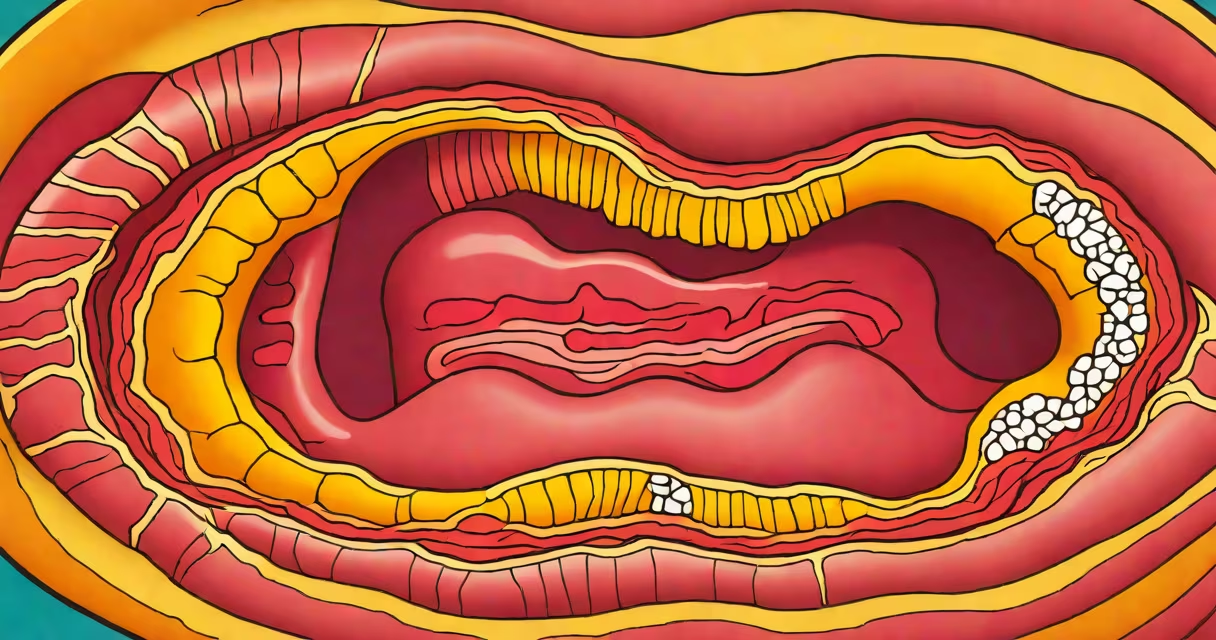
Stomach ulcers, also called gastric ulcers, are open sores that develop in the lining of the stomach. They occur when the protective mucus layer breaks down, allowing stomach acid to damage the tissue underneath. This condition affects about 1 in 10 people at some point in life, according to the National Institute of Diabetes and Digestive and Kidney Diseases (NIDDK).
Ulcers form when the balance between digestive acids and the stomach's protective defenses is disrupted. The most common cause is infection with Helicobacter pylori (H. pylori) bacteria, which weakens the mucous barrier. Long-term use of nonsteroidal anti-inflammatory drugs (NSAIDs) like ibuprofen or aspirin also damages the lining. Less frequently, stress or excessive alcohol intake contributes.
Untreated ulcers can lead to complications such as bleeding, perforation (a hole in the stomach wall), or obstruction. Early diagnosis and treatment prevent serious outcomes. Symptoms often include burning pain in the upper abdomen, especially between meals or at night, nausea, bloating, and unintended weight loss.
How Stomach Ulcers Develop
The stomach lining is protected by a thick layer of mucus that neutralizes acid and shields cells from damage. When this barrier fails, acid erodes the tissue beneath. H. pylori infects about 60% of people with ulcers worldwide, according to the World Health Organization (WHO). The bacteria burrow into the mucus layer and release enzymes that break down the protective coating.
NSAIDs interfere with prostaglandins-chemicals that maintain blood flow to the stomach lining and stimulate mucus production. Without them, the lining becomes vulnerable. A 2021 study in *Gastroenterology* found that daily use of low-dose aspirin increases ulcer risk by 40% compared to non-users.
Even though stress doesn't cause ulcers directly, it can worsen symptoms by increasing acid secretion. Chronic stress may also delay healing by affecting immune function. However, stress alone does not create an ulcer.
Types of Stomach Ulcers and Their Causes
Ulcers fall into two main categories based on location and cause:
| Type | Location | Primary Cause | Prevalence |
|---|---|---|---|
| Gastric ulcer | Stomach lining | H. pylori (50%), NSAIDs (30%) | Most common in adults over 50 |
| Peptic ulcer | Stomach or duodenum | H. pylori (70%), NSAIDs (20%) | Can affect younger adults |
Peptic ulcers include both gastric and duodenal ulcers. Duodenal ulcers are more common than gastric ones, but gastric ulcers carry higher risks of complications like bleeding and cancer progression.
A lesser-known factor is Zollinger-Ellison syndrome, a rare condition where tumors in the pancreas secrete excess gastrin, leading to high acid levels. This causes multiple ulcers and is diagnosed in fewer than 1 in 1 million people annually.
Common Misconceptions and Confusions
Many assume that spicy food or stress directly causes ulcers. While these can irritate existing ulcers, they do not initiate them. The myth persists because symptoms flare during emotional strain, but the root cause lies in bacterial infection or medication use.
Another confusion is equating ulcers with gastritis. Gastritis involves inflammation of the stomach lining without open sores. Ulcers involve actual tissue breakdown. Both conditions share symptoms like pain and nausea, but ulcers require targeted treatment to heal the wound.
Some patients mistake ulcer pain for heartburn. Heartburn stems from acid reflux into the esophagus, while ulcer pain arises from direct tissue damage in the stomach. Pain from ulcers typically occurs 2-3 hours after eating or during fasting, unlike heartburn, which often follows meals.
Real-World Example: Diagnosis and Treatment
A 54-year-old man reported persistent upper abdominal pain for six weeks. He took ibuprofen twice daily for joint pain. An endoscopy revealed a 1.2 cm ulcer in the antrum of his stomach. Biopsy confirmed H. pylori presence. He was prescribed a 14-day course of clarithromycin, amoxicillin, and omeprazole-standard triple therapy.
After treatment, follow-up endoscopy showed complete healing. His pain resolved within three days of starting medication. He discontinued ibuprofen and switched to acetaminophen for pain relief. This case illustrates that combining antibiotics and acid suppression is effective in curing H. pylori-related ulcers.
When left untreated, ulcers can bleed. One patient developed melena-black, tarry stools-from a bleeding ulcer. Emergency endoscopy stopped the bleeding via injection and cautery. This highlights the danger of ignoring symptoms.
What You Should Know
Stomach ulcers are not just minor discomfort-they're a medical condition requiring accurate diagnosis. They don't heal on their own in most cases. Left unchecked, they can lead to hospitalization or surgery.
Testing for H. pylori is essential. Methods include breath tests, stool antigen tests, and endoscopic biopsies. A positive result confirms bacterial involvement and guides antibiotic treatment.
Some people report gas or flatulence with ulcers, but this is not a primary symptom. Flatulence is more likely due to changes in gut motility or dietary triggers. If bloating persists, further evaluation for small intestinal bacterial overgrowth (SIBO) may be needed.
Recovery takes time. Most ulcers heal within 6-8 weeks with proper treatment. Follow-up testing ensures H. pylori eradication. Failure to complete the full antibiotic course increases resistance risk.