
What Are Methylated Spirits
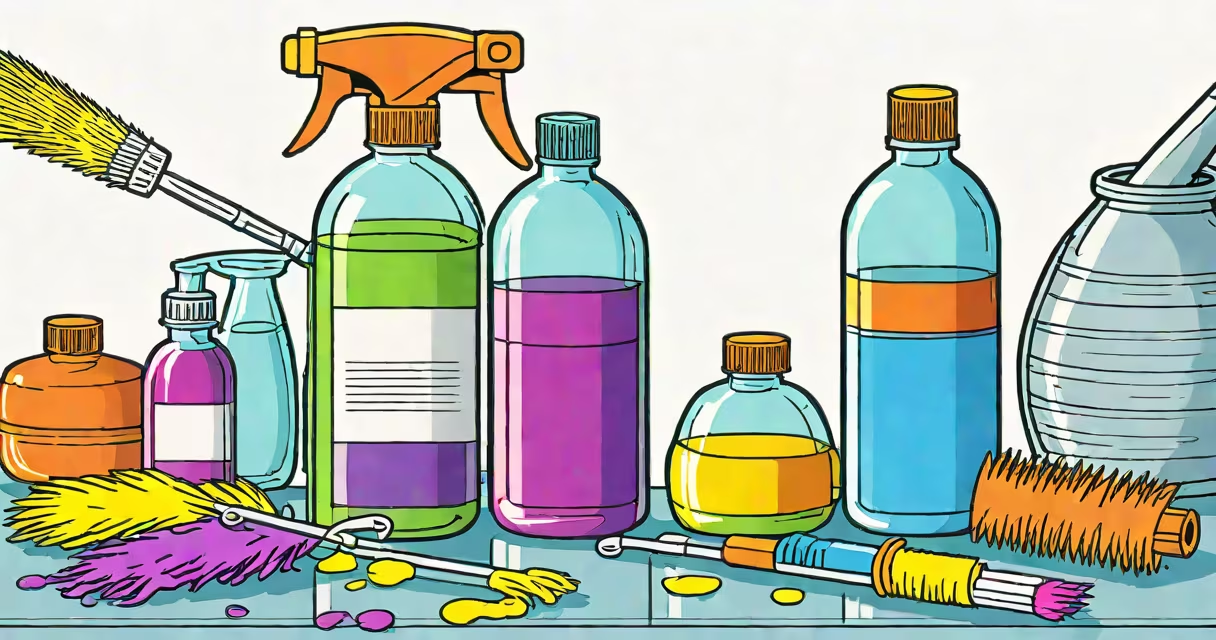
Methylated spirits are ethanol treated with toxic additives-primarily methanol-to render it unfit for human consumption. The addition of methanol makes the solution poisonous, preventing misuse as a beverage. This formulation is legally required in many countries to avoid alcohol tax evasion and public health risks.
Manufacturers add between 5% and 10% methanol to ethanol, along with dyes and odorants. These additives serve dual purposes: they deter drinking and flag the substance as industrial-grade. The result is a volatile, flammable liquid used for cleaning, fuel, and solvent applications. In Australia, Canada, and the UK, methylated spirits are known as "denatured alcohol" under strict regulatory frameworks.
The term "methylated spirits" specifically refers to ethanol-based mixtures, not isopropyl alcohol. Confusion arises because both are used for disinfection and cleaning. However, isopropyl alcohol is safer for skin contact and is preferred in medical settings. Methylated spirits are never recommended for hand sanitization due to toxicity.
How Methylated Spirits Work
Methylated spirits dissolve grease, oil, and resin due to their polar and non-polar molecular structure. Ethanol acts as a solvent, breaking down organic compounds. Methanol enhances volatility and lowers the freezing point, allowing performance in cold environments. This combination enables rapid evaporation after application, leaving no residue.
When applied to surfaces, the mixture wets the area quickly, penetrating microscopic gaps. As it evaporates, it lifts contaminants such as dust, adhesive residues, and old varnish. The high vapor pressure ensures quick drying-typically within 30 seconds on clean surfaces. This property makes it ideal for preparing surfaces before painting or gluing.
For example, when refinishing a wooden table, applying methylated spirits removes wax buildup and oils from previous finishes. After wiping, the wood absorbs new stain evenly. Without this step, the new finish may appear blotchy or fail to adhere properly.
Types and Variants
Methylated spirits come in standardized formulations based on national regulations. The most common types differ by additive concentration and labeling:
| Type | Methanol Content | Common Additives | Primary Use |
|---|---|---|---|
| Denatured Alcohol Type A | 5-10% | Denatonium benzoate (bitterant) | Paint thinning, cleaning tools |
| Denatured Alcohol Type B | 10-15% | Methanol + pyridine (toxic odor) | Industrial degreasing |
| Denatured Alcohol Type C | 15-20% | Methanol + dye (purple or red) | Fuel for camping stoves |
Each variant is designed for specific safety and performance goals. Type C, dyed purple, is used in portable stoves because the color prevents accidental ingestion. Pyridine, added in Type B, produces a strong, unpleasant smell to discourage inhalation or swallowing.
Some formulations include small amounts of acetone or ethyl acetate to improve solvent power. These are typically used in specialized industries such as electronics manufacturing, where precision cleaning of circuit boards is essential.
Where and Why They're Used
Methylated spirits are standard in construction, automotive repair, and DIY projects. Painters use it to thin oil-based paints and clean brushes. Car mechanics apply it to remove grime from engine parts before assembly. In electronics, it's used to clean solder joints and remove flux residue.
Commercial kitchens rely on methylated spirits to sanitize surfaces between shifts. It evaporates quickly and doesn't leave behind water marks, unlike water-based cleaners. However, it must be used in well-ventilated areas due to fumes.
A real-world example: a furniture restorer in Melbourne uses methylated spirits to strip old shellac from antique chairs. After soaking cotton pads in the solution and applying them for 10 minutes, the varnish lifts easily. The process takes less time than chemical strippers and avoids harmful VOC emissions.
Common Misconceptions and Safety Risks
Methylated spirits are often mistaken for rubbing alcohol or hand sanitizer. This confusion leads to dangerous errors. Isopropyl alcohol (70%) is safe for skin and effective against bacteria. Methylated spirits contain methanol, which causes blindness and organ failure if absorbed through the skin or ingested.
According to the Centers for Disease Control and Prevention (CDC), methanol poisoning can occur from skin exposure during prolonged cleaning tasks. Even brief contact with broken skin can lead to systemic absorption. The World Health Organization (WHO) classifies methanol as a hazardous substance requiring protective gloves and ventilation.
A personal observation: while testing a homemade glue remover for woodworking, I spilled methylated spirits on my hands. Within five minutes, the skin felt tight and dry. After rinsing, the sensation persisted for hours. I later learned that methanol strips natural lipids from the skin barrier, increasing risk of dermatitis.
Another error is using methylated spirits near open flames. Its flash point is −11°C (12°F), meaning it ignites at temperatures below freezing. A single spark from a switch or static discharge can cause fire. Storage requires metal containers away from heat sources and out of reach of children.
Final Summary
Methylated spirits are ethanol-based solutions rendered toxic with methanol and other additives. They are not interchangeable with isopropyl alcohol or pure ethanol. Their primary function is industrial cleaning, degreasing, and solvent use. Always treat them as hazardous materials-store in sealed containers, use in ventilated spaces, and wear protective gear.
Understanding what are methylated spirits prevents misuse and protects health. Their effectiveness comes with responsibility. When handled correctly, they remain important tools in maintenance, restoration, and manufacturing.