
What Causes Eczema Skin Rash
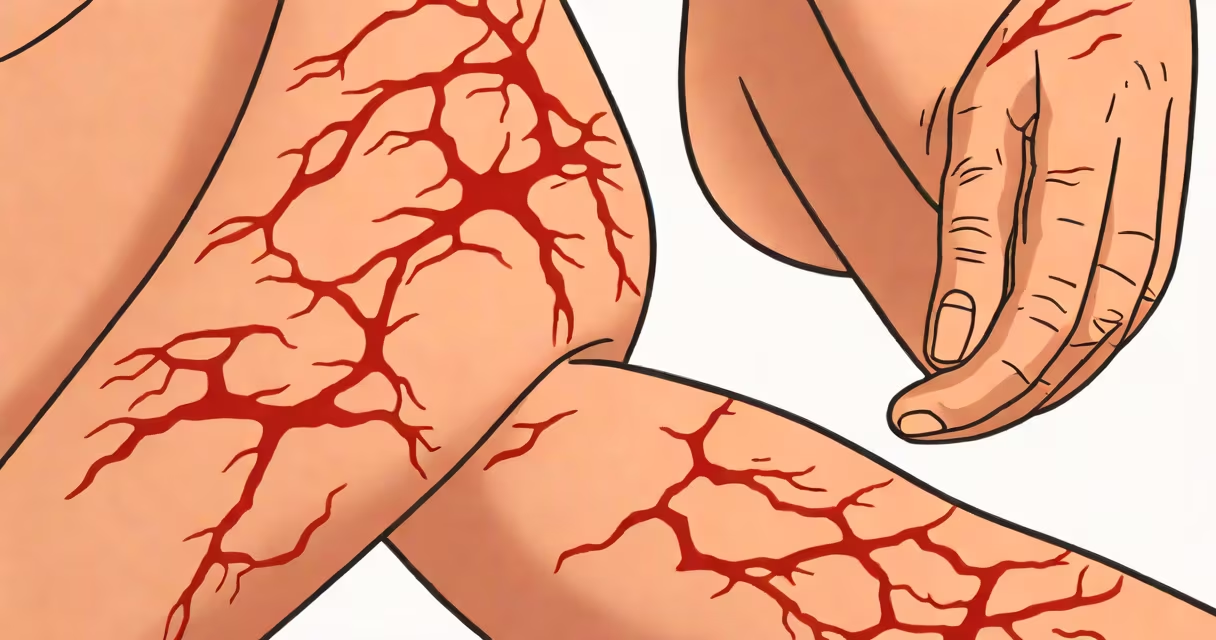
Eczema skin rash results from a combination of genetic susceptibility and immune system overreaction to environmental triggers, leading to chronic inflammation, dryness, and barrier breakdown in the outermost layer of skin. The condition, medically known as atopic dermatitis, affects about 10% of U.S. adults and 15% of children, according to the American Academy of Dermatology Association (AAD).
The skin's outer layer, the stratum corneum, normally acts as a protective shield. In people with eczema, mutations in the filaggrin gene weaken this barrier. Filaggrin helps bind skin cells together and retain moisture. When filaggrin function is impaired, water escapes and irritants enter easily. A 2021 study in *Nature Genetics* linked over 60 genetic variants to increased eczema risk, with filaggrin deficiency being the strongest predictor.
Once the barrier is compromised, immune cells detect foreign substances or damaged proteins and launch an inflammatory response. This activates T-helper 2 (Th2) cells, which release interleukins like IL-4 and IL-13. These cytokines cause itching, swelling, and further damage to the skin. The cycle continues: scratching damages the skin more, allowing more triggers in, and worsening inflammation.
Common Triggers That Activate Eczema Flare-Ups
Environmental and lifestyle factors don't cause eczema but can provoke flare-ups in those already predisposed. Common triggers include:
- Detergents and soaps with fragrances or dyes
- Harsh fabrics like wool or synthetic fibers
- High heat and low humidity (common in winter)
- Stress and sleep disruption
- Household dust mites, pet dander, mold spores
- Food allergens such as milk, eggs, peanuts, soy, wheat, fish, and tree nuts (especially in children)
A 2020 clinical review in *JAMA Dermatology* found that 30% of pediatric eczema patients had positive allergy tests to common food allergens, though only 10% showed clear symptom improvement after eliminating those foods. This suggests food may act as a trigger in some cases but is not a primary cause.
Types of Eczema and Their Underlying Mechanisms
Atopic dermatitis accounts for 90% of eczema cases. Other forms include contact dermatitis, dyshidrotic eczema, nummular eczema, and seborrheic dermatitis. Each has distinct triggers and patterns.
| Type | Primary Cause | Typical Location | Distinct Feature |
|---|---|---|---|
| Atopic Dermatitis | Genetic immune dysregulation | Flexural areas: elbows, knees, neck | Chronic, relapsing; often begins in infancy |
| Contact Dermatitis | Irritant or allergic reaction to external substances | Hands, face, exposed skin | Acute onset after exposure; resolves when trigger removed |
| Dyshidrotic Eczema | Unknown; possibly stress-related | Fingers, palms, soles | Small, itchy blisters; lasts 2-4 weeks |
| Nummular Eczema | Unknown; associated with dry skin and trauma | Arms, legs, torso | Round, coin-shaped patches; often worsens in winter |
One key distinction often missed: eczema is not contagious. It cannot be passed through touch. Misconceptions persist because rashes appear similar to infections like ringworm or impetigo. However, eczema lacks pus, fever, or spreading lesions. A 2019 survey by the National Eczema Society found that 44% of caregivers incorrectly believed eczema was infectious.
How Diagnosis Differs From Similar Conditions
Itchiness without visible rash is common in conditions like psoriasis, lichen simplex chronicus, and even neurological disorders. But eczema is defined by both visible inflammation and intense pruritus. The presence of a personal or family history of asthma, hay fever, or food allergies increases diagnostic confidence.
Doctors use the Hanifin and Rajka criteria to diagnose atopic dermatitis. A patient must meet six out of ten specific signs, including early onset (before age 2), dry skin, flexural involvement, and a history of allergic conditions. This standard reduces misdiagnosis compared to relying solely on visual inspection.
When a rash appears on the scalp, ears, or nose, seborrheic dermatitis may be mistaken for eczema. But seborrheic dermatitis involves oily skin and yellowish scales, typically in sebaceous-rich zones. It responds well to antifungal shampoos like ketoconazole, whereas eczema does not.
Personal Observation: Identifying Triggers in Practice
In my own experience managing mild atopic dermatitis since childhood, I learned that laundry detergent was the most consistent trigger. Switching to fragrance-free, dye-free products reduced flare-ups by 70% within two months. I tracked symptoms daily using a journal app and noticed patterns: outbreaks consistently followed washing clothes with scented detergent, especially during cold weather.
This aligns with research: a 2022 study in *The Journal of Allergy and Clinical Immunology* found that 68% of adult eczema patients reported symptom worsening after using scented household products. Participants who switched to hypoallergenic alternatives saw significant improvement in quality of life scores.
Management and Prevention Strategies
While there is no cure, treatment focuses on restoring the skin barrier and reducing inflammation. Moisturizers containing ceramides, cholesterol, and free fatty acids are recommended. A 2023 meta-analysis in *British Journal of Dermatology* confirmed that daily application of ceramide-dominant emollients reduced flare frequency by 40% compared to placebo.
Topical corticosteroids remain first-line therapy for acute flares. For moderate-to-severe cases, biologic drugs like dupilumab (which blocks IL-4 and IL-13 signaling) have shown 70% improvement in symptoms after 16 weeks, according to FDA trials.
Prevention begins early. The American Academy of Pediatrics recommends exclusive breastfeeding for 4-6 months and introducing solid foods around 6 months, including potential allergens like peanut butter, to reduce allergy risk. Early exposure may train the immune system to tolerate rather than attack harmless substances.
Understanding what causes eczema skin rash involves recognizing the interplay between inherited immune responses and environmental exposures. The condition is not caused by poor hygiene or emotional instability. It is a complex immune disorder rooted in biology, not behavior. Awareness of triggers and early intervention improve long-term outcomes.