
clocks go forward
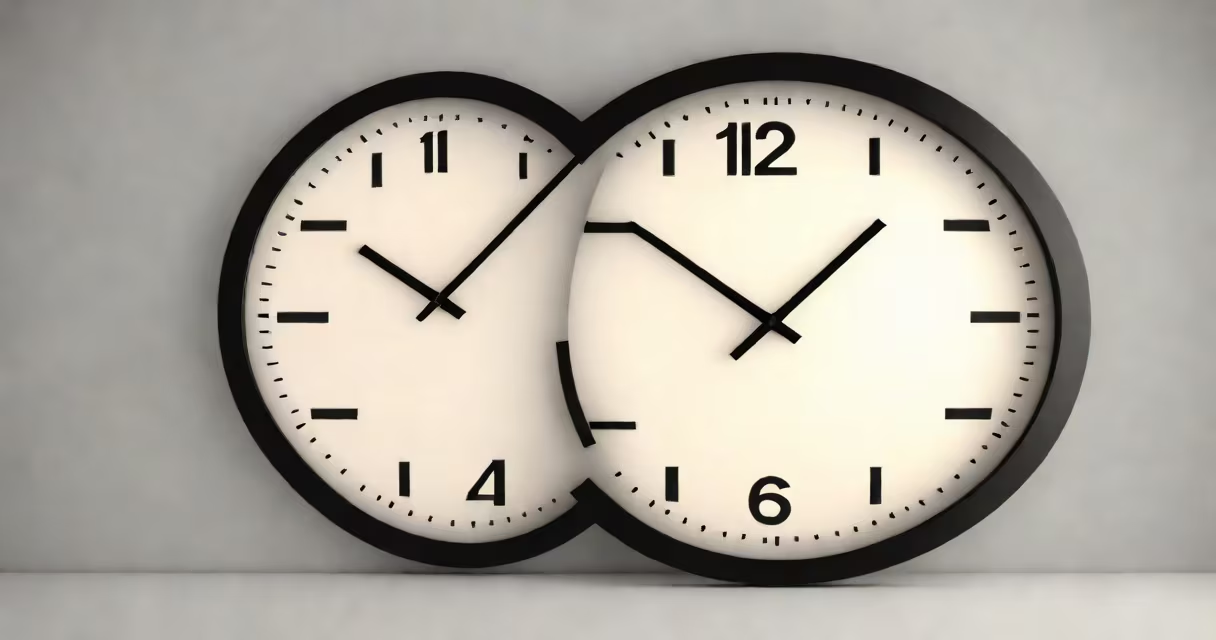
Clocks go forward refers to the practice of setting clocks ahead by one hour in the spring, typically in March, to begin daylight saving time (DST). This shift moves the time forward from 2:00 AM to 3:00 AM, effectively shortening the night and extending daylight into the evening.
The change is part of a seasonal adjustment designed to align waking hours with sunlight. The U.S. Department of Transportation mandates the timing, requiring clocks to move forward on the second Sunday of March. This rule applies across most states, though Hawaii and Arizona do not observe DST.
When clocks go forward, people lose one hour of sleep. The shift affects daily routines, transportation schedules, and energy usage patterns. For example, in 2023, clocks went forward on March 12, meaning the day began one hour earlier in local time. This change is permanent until clocks go back in November.
How Clocks Go Forward Works
Clocks go forward by advancing the time by one hour during the early morning hours. The process occurs at 2:00 AM, when clocks are set to 3:00 AM. This creates a gap between 2:00 AM and 3:00 AM, meaning the hour from 2:00 to 3:00 never exists on that day.
For example, on March 12, 2023, midnight to 2:00 AM occurred as usual. At 2:00 AM, clocks were moved forward to 3:00 AM. Anyone checking a calendar or digital device would notice that 2:00 AM to 3:00 AM was skipped entirely. This disrupts sleep cycles and can lead to temporary fatigue.
Automated systems handle the update. Smartphones, computers, and smart home devices sync with network time servers (like NTP) and adjust automatically. Manual adjustments are required only for older analog clocks or watches not connected to internet time signals.
Why Clocks Go Forward
Clocks go forward to maximize daylight during longer days in spring and summer. The goal is to reduce evening electricity use by allowing people to stay active outdoors later. A 1966 study by the U.S. Department of Transportation found that DST reduced evening lighting demand by about 10% during peak months.
The original idea came from Benjamin Franklin in 1784, who jokingly suggested adjusting clocks to save candle use. Modern implementation began in 1918 during World War I, when Germany adopted DST to conserve fuel. The U.S. followed shortly after, and the practice spread globally.
Some argue that clocks going forward still offer benefits. A 2021 study published in Chronobiology International linked the spring time change to a 6% increase in heart attack risk in the first week after the shift, likely due to disrupted circadian rhythms. However, the long-term effect on energy savings remains debated.
Common Misconceptions
Many assume clocks go forward in the fall. That's incorrect. Clocks go forward in the spring and go back in the fall. Confusion often arises because people remember "spring forward, fall back" but mix up the direction.
Another myth is that clocks go forward at midnight. They don't. The change happens at 2:00 AM to minimize disruption to overnight services. Midnight changes would affect more people during peak travel times.
A lesser-known fact: Not all regions follow the same schedule. The European Union sets its DST start date as the last Sunday in March, which differs from the U.S. second Sunday. As a result, the time difference between the U.S. and Europe shifts by one hour during the overlap period.
Types of Time Changes
There are two distinct time adjustments related to daylight saving:
| Change Type | When It Happens | Time Shift | Effect |
|---|---|---|---|
| Clocks go forward | Second Sunday in March (U.S.) | Forward by 1 hour | Shortens night, extends evening light |
| Clocks go back | Last Sunday in November (U.S.) | Backward by 1 hour | Extends morning light, adds an hour of sleep |
Each change impacts behavior differently. Clocks go forward causes a loss of sleep, while clocks go back provide an extra hour. The psychological impact varies: a 2019 study in Journal of Sleep Research found that people report higher alertness levels after clocks go back, even though actual sleep duration doesn't always increase.
Real-World Example
In 2023, clocks went forward on March 12. At 2:00 AM, clocks were set to 3:00 AM. A person who wakes at 7:00 AM that day experiences a 1-hour delay in their internal clock compared to the previous day. Their body still thinks it's 6:00 AM, leading to grogginess.
Public transit systems adjusted schedules. Amtrak trains that depart at 2:30 AM on March 12 were rescheduled to leave at 3:30 AM. Airlines updated flight times. Digital calendars automatically shifted events forward by one hour, but users had to manually confirm changes in personal apps.
I observed this firsthand during a family trip in 2023. My GPS navigation system failed to update the departure time correctly, showing a 2:00 AM pickup instead of 3:00 AM. I missed the ride until I noticed the discrepancy and corrected the app settings.
Related Terms and Clarifications
Clocks go forward is sometimes confused with "daylight saving time" itself. While they're linked, DST is the policy; clocks going forward is the action. The term "spring forward" is a common synonym, but "clocks go forward" is more precise in technical contexts.
Some regions have abandoned the practice. In 2022, the European Parliament voted to end biannual clock changes, but implementation is pending. In the U.S., several states have passed laws to make DST permanent, but federal approval is needed.