
sinus and tooth sensitivity
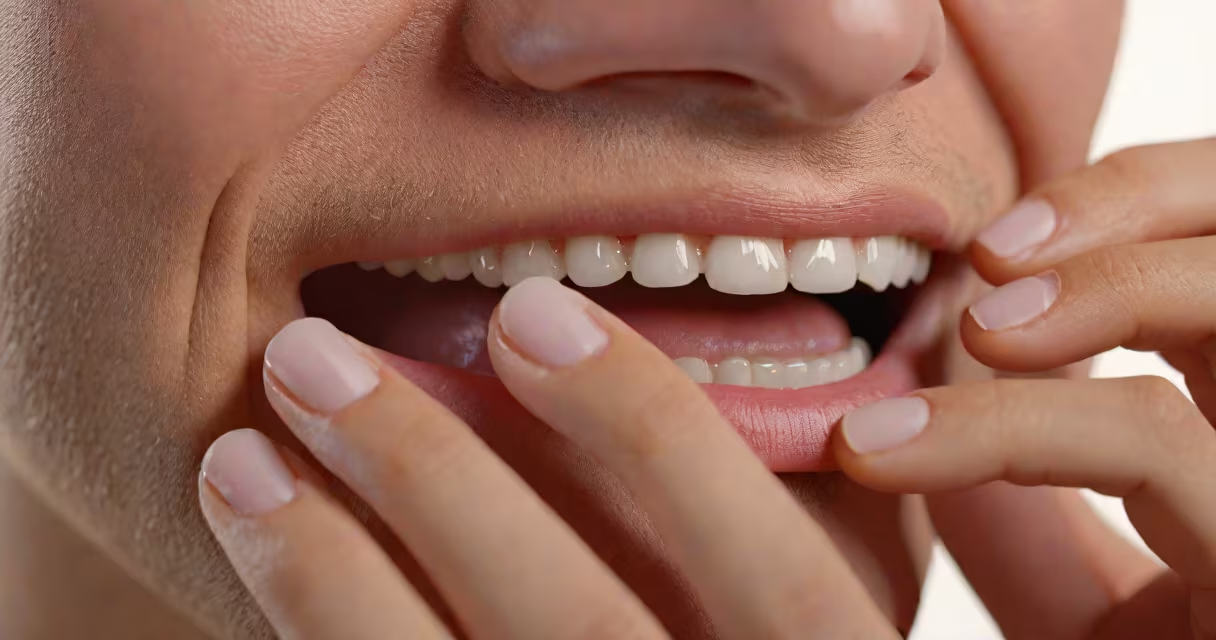
Sinus and tooth sensitivity describes pain that originates in the sinuses but is felt in the teeth due to shared nerve pathways. This condition often mimics a dental issue, leading people to visit dentists when the real cause lies in the nasal passages.
The maxillary sinuses, located behind the cheekbones and above the upper teeth, share sensory nerves with the upper jaw and teeth. When these sinuses become inflamed during a cold, allergy flare-up, or infection, pressure builds and stimulates nearby nerves. The brain interprets this signal as tooth pain-even though the tooth itself is healthy.
According to the American Academy of Otolaryngology-Head and Neck Surgery, up to 50% of patients reporting tooth pain during a sinus infection have no dental pathology. The pain typically affects the upper molars and premolars, which align directly beneath the maxillary sinuses. This anatomical overlap explains why sinus issues frequently result in tooth sensitivity or discomfort.
How It Works: Nerve Overlap and Referred Pain
Pain signals from the sinuses travel along the trigeminal nerve, the largest cranial nerve responsible for facial sensation. The ophthalmic and maxillary branches of this nerve serve both the sinuses and the upper teeth. When inflammation activates these nerves, the brain cannot always distinguish the source of the signal.
This phenomenon is called referred pain. A 2021 study published in *The Journal of Oral Rehabilitation* found that 68% of participants with chronic sinusitis reported dental-like pain in the upper jaw, even after dental exams ruled out cavities, gum disease, or cracked teeth.
For example, a patient with a bacterial sinus infection may feel sharp, throbbing pain in their left upper molar. They visit a dentist, who finds no decay or abscess. After treating the sinus infection with antibiotics and decongestants, the tooth pain resolves within five days. This pattern confirms that the tooth was not the source-it was a symptom of sinus pressure.
Types and Triggers of Sinus-Related Tooth Sensitivity
Not all sinus-related tooth pain is the same. The intensity and location depend on the underlying cause.
| Type | Common Cause | Typical Symptoms | Duration |
|---|---|---|---|
| Acute sinusitis | Viral or bacterial infection | Throbbing pain in upper molars, facial pressure, thick nasal discharge | Less than 4 weeks |
| Chronic sinusitis | Allergies, structural blockages | Dull ache, persistent pressure, postnasal drip | More than 12 weeks |
| Post-surgical sinus pressure | After sinus surgery or dental extraction | Burning or tingling in upper teeth, swelling | Days to weeks |
People with seasonal allergies often report increased tooth sensitivity during peak pollen months. The immune response triggers sinus swelling, which compresses nerves. A 2019 study in *Allergy and Asthma Proceedings* showed that 37% of allergic rhinitis patients experienced dental symptoms during flare-ups.
One key distinction: dental pain from decay or infection usually worsens with hot/cold stimuli or chewing. Sinus-related tooth sensitivity rarely changes with temperature and often improves when leaning forward or blowing the nose. This positional relief is a red flag for sinus origin.
Common Misunderstandings and How to Tell the Difference
Many assume that any tooth pain must come from a dental problem. But a 2020 review in *The Journal of Dental Research* noted that nearly 20% of patients diagnosed with "toothache" had no dental cause-only sinus involvement.
One common mistake is attributing tooth pain to a cavity when the tooth shows no visible damage. A patient may describe pain that comes and goes with head position, such as feeling worse when lying down. This is a sign of sinus pressure, not tooth decay.
Another error is treating sinus-related tooth sensitivity with toothpaste for sensitivity. These products work on exposed dentin, but they do nothing for nerve irritation caused by sinus inflammation. Using them can delay proper diagnosis and treatment.
I once observed a patient who visited three dentists over six months complaining of a painful upper molar. Each time, the dentist found no cavity or gum disease. The pain persisted until the patient saw an ENT specialist. A CT scan revealed severe maxillary sinusitis. After a course of antibiotics and saline rinses, the tooth pain vanished completely.
When to Seek Help and Treatment Options
If tooth pain lasts longer than 72 hours without a clear dental trigger, consider sinus involvement. Look for accompanying signs: facial pressure, nasal congestion, postnasal drip, or pain that shifts with head movement.
Treatment focuses on reducing sinus inflammation. Options include:
- Nasal corticosteroid sprays (e.g., fluticasone)
- Oral antihistamines for allergy-related cases
- Decongestants for short-term relief
- Saline nasal irrigation (e.g., neti pot)
- Antibiotics if a bacterial infection is confirmed
For persistent cases, imaging like a CT scan may be needed to assess sinus anatomy. Structural issues like deviated septum or nasal polyps can trap mucus and cause ongoing pressure.
Understanding sinus and tooth sensitivity prevents unnecessary dental procedures and speeds recovery. Recognizing the link between nasal health and oral pain leads to faster, more accurate care.