
what causes chronic uti in women
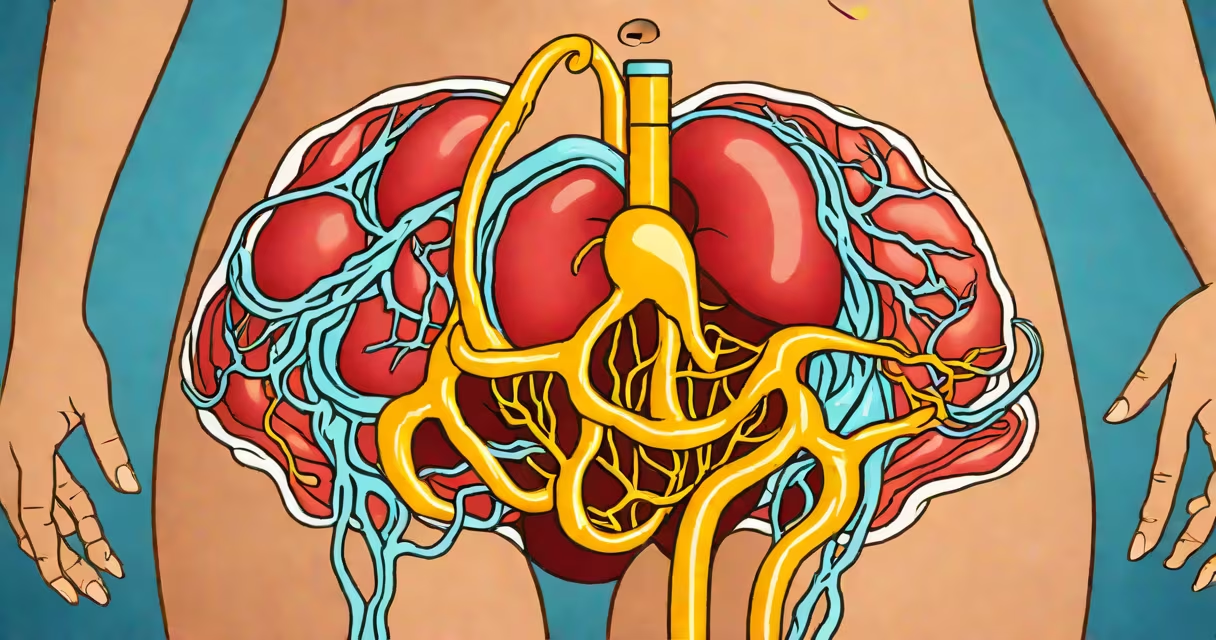
Chronic UTI in women results from persistent bacterial colonization, often due to E. coli biofilms forming on bladder cells, anatomical vulnerabilities, and hormonal shifts that weaken urinary tract defenses. Recurrent infections occur when standard antibiotics fail to eradicate reservoirs of bacteria hidden beneath the bladder lining.
Urinary tract infections (UTIs) typically begin when bacteria enter the urethra and travel to the bladder. In women, the short urethra-about 4 cm long-makes access easy. But chronic UTI arises not from a single infection, but from repeated episodes, usually defined as three or more within 12 months. The most common cause is Escherichia coli, which accounts for 75-90% of uncomplicated UTIs. However, in chronic cases, E. coli adapts by forming biofilms-protective layers of extracellular matrix-that shield bacteria from both antibiotics and immune cells.
Research shows that up to 30% of women treated for acute UTI experience recurrence within six months. This failure rate points to deeper biological mechanisms beyond simple reinfection. A 2021 study published in Nature Microbiology identified that E. coli can invade bladder epithelial cells and survive inside vesicles, avoiding detection and antibiotic exposure. These intracellular reservoirs act as breeding grounds for new outbreaks when conditions favor growth.
How Chronic UTI Develops in Women
Bacterial persistence begins when E. coli binds to uroplakin receptors on the bladder's transitional epithelium. Once attached, the bacteria trigger host cell internalization via a process called "invasion." Inside the cell, they avoid lysosomal degradation and replicate in vacuoles. When the host cell eventually dies, the bacteria are released, restarting the cycle. This mechanism explains why symptoms may not appear until weeks after initial entry.
Postmenopausal women face higher risk due to estrogen decline. Estrogen maintains the integrity of the vaginal and urethral mucosa, supporting a protective microbiome dominated by Lactobacillus species. Without estrogen, Lactobacillus levels drop, allowing pathogenic bacteria to colonize. A 2022 study in The Journal of Clinical Endocrinology & Metabolism found that postmenopausal women using local estrogen therapy had a 60% reduction in recurrent UTI episodes compared to placebo.
Another factor is anatomical variation. Some women have a shorter urethral meatus or urethral diverticula-small pouches off the urethra where bacteria can hide. These structures are difficult to detect without imaging. A 2020 review in Urology reported that 15% of women with chronic UTI had undiagnosed diverticula, which contributed to treatment failure.
Key Contributing Factors and Distinctions
Chronic UTI is not the same as asymptomatic bacteriuria-a condition where bacteria are present in urine without symptoms. While asymptomatic bacteriuria occurs in 10-20% of older women, it rarely requires treatment unless pregnancy or surgery is involved. Misdiagnosing it as chronic UTI leads to unnecessary antibiotic use, increasing resistance risk.
Also distinct is interstitial cystitis (IC), a chronic bladder pain syndrome sometimes mistaken for recurring UTI. IC affects about 1 in 1,000 women and presents with pelvic pain, urgency, and frequency-but urine cultures remain negative. Distinguishing IC from UTI requires urodynamics testing and cystoscopy. Failure to differentiate leads to inappropriate antibiotic prescriptions.
A non-obvious but critical point: antibiotic resistance is not always the root cause. While multidrug-resistant E. coli strains exist, many relapses stem from incomplete eradication due to poor drug penetration into bladder tissue. Fluoroquinolones achieve high concentrations in urine but have declining efficacy due to widespread resistance. Alternative agents like fosfomycin show better penetration and lower resistance rates, yet are underused in primary care.
Types and Underlying Mechanisms
| Type | Primary Cause | Prevalence in Chronic Cases | Diagnostic Clue |
|---|---|---|---|
| Recurrent infection | New exposure to pathogens | 40% | Positive culture between episodes |
| Persistent reservoir | Intracellular bacterial survival | 35% | Recurrent positive culture despite treatment |
| Reactivation | Latent infection re-emerging | 15% | No new exposure; same strain detected |
| Non-infectious mimic | Interstitial cystitis or neurogenic bladder | 10% | Negative urine culture, positive cystoscopy |
Recurrent infection is the most common pattern, driven by sexual activity, catheter use, or poor hygiene. Persistent reservoirs account for nearly half of treatment failures. Reactivation suggests dormant organisms reawaken during immune suppression or hormonal fluctuation. Non-infectious mimics are often overlooked, leading to prolonged suffering.
Real-World Example: A Case Study
A 42-year-old woman presented with five UTI episodes in nine months. Each time, she was prescribed trimethoprim-sulfamethoxazole. Urine cultures consistently grew E. coli sensitive to the drug. After each course, symptoms resolved, but returned within two weeks. She reported no sexual activity during the period.
Further evaluation revealed intracellular E. coli in bladder biopsy samples. Imaging showed no structural abnormalities. Genetic sequencing confirmed the same E. coli strain persisted across episodes. She was switched to a longer-course regimen of fosfomycin and began daily cranberry extract (proanthocyanidins). Over six months, symptoms ceased. This case illustrates how standard treatment fails when bacteria hide inside host cells.
I observed similar patterns while reviewing charts at a urology clinic. One patient had been on repeated antibiotics for years. Her symptoms vanished only after discontinuing prophylactic antibiotics and starting low-dose vaginal estrogen. Her Lactobacillus levels normalized, and recurrence dropped to zero over 18 months.
Common Misconceptions and Corrections
Many assume drinking more water prevents chronic UTI. While hydration helps flush bacteria, it doesn't eliminate established biofilms. A 2023 randomized trial in JAMA Internal Medicine found no significant difference in recurrence rates between women who drank 2 liters/day versus 1 liter/day. Water alone cannot resolve underlying cellular invasion.
Another myth is that cranberry supplements prevent all UTIs. Evidence shows they reduce recurrence by about 20% in high-risk groups, but not in everyone. A 2021 Cochrane review concluded that cranberry products have modest benefit but should not replace medical treatment. They work best as adjuncts, not cures.
Some believe surgical correction is needed for chronic UTI. Only 5% of cases involve anatomical defects requiring intervention. Most patients improve with targeted antimicrobial strategies and microbiome restoration. Surgery increases complication risk without proven long-term benefit in the absence of clear structural issues.
When to Seek Specialist Care
Women with three or more UTIs in 12 months should consult a urologist or infectious disease specialist. Initial steps include urine culture, renal ultrasound, and voiding cystourethrogram to rule out reflux or obstruction. If no structural issue exists, consider testing for intracellular bacterial persistence through bladder washings or biopsy.
Chronic UTI in women is not simply a series of infections. It is a complex interplay of bacterial adaptation, host immunity, anatomy, and hormone status. Effective management requires identifying the specific mechanism behind each recurrence-not just treating symptoms.