
What Is a Strained Groin Muscle
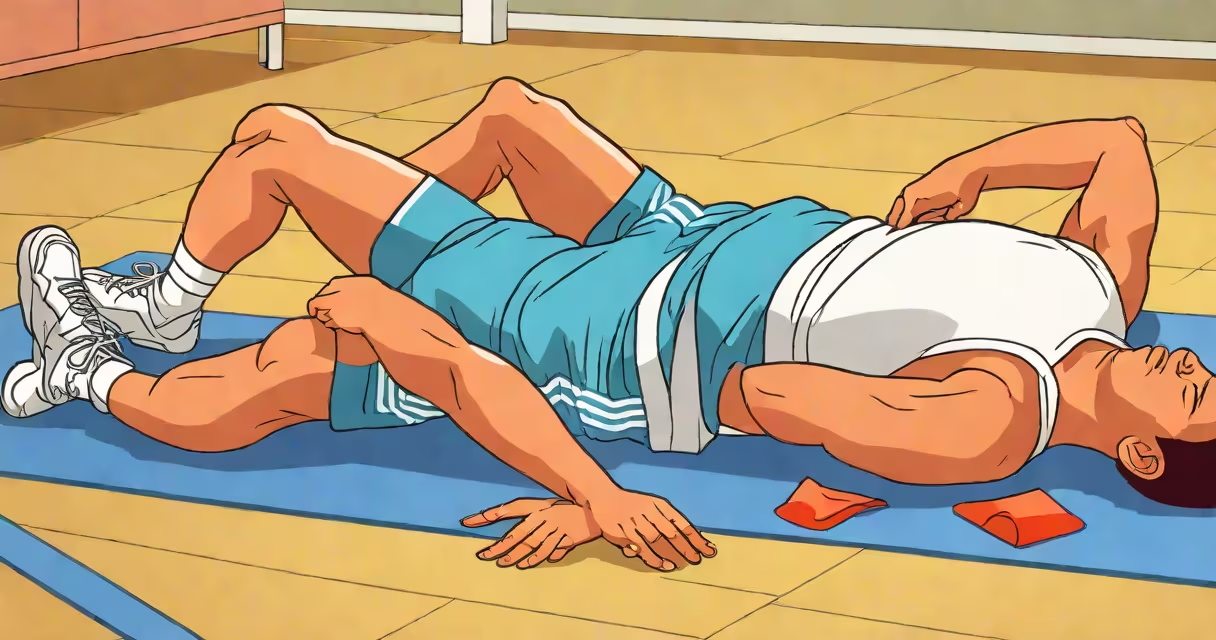
A strained groin muscle occurs when the adductor muscles on the inner thigh are overstretched or torn, typically during sudden acceleration, cutting, or pivoting motions. This injury commonly affects athletes in sports requiring quick directional changes, such as soccer, hockey, and basketball.
The injury ranges from mild (Grade 1) to severe (Grade 3), depending on the extent of muscle fiber damage. Grade 1 strains involve minor stretching with minimal pain and function loss. Grade 2 strains feature partial tears causing significant pain and limited mobility. Grade 3 strains are complete ruptures requiring surgical intervention and prolonged rehabilitation.
According to the American Academy of Orthopaedic Surgeons (AAOS), groin strains account for approximately 10% of all athletic injuries in contact sports. The most frequently affected muscles are the adductor longus, adductor brevis, and gracilis-located along the inner thigh near the pubic bone.
How a Strained Groin Muscle Develops
Strains happen when the adductor muscles contract forcefully while being stretched, such as during a sprint or sudden side-step. The imbalance between muscle strength and flexibility increases risk. A study published in the British Journal of Sports Medicine found that athletes with weak hip adductors were 2.3 times more likely to suffer a groin strain than those with balanced strength.
Overuse is another common cause. Repetitive movements without adequate rest lead to microtears that accumulate over time. This is especially true in endurance sports like long-distance running or repetitive kicking in football.
Proper warm-up reduces strain risk. Research from the Journal of Athletic Training shows that changing stretching before activity lowers injury rates by up to 37% compared to static stretching alone.
Types and Grading of Groin Strains
Medical professionals classify groin strains using a three-grade system based on severity:
| Grade | Damage Level | Symptoms | Recovery Time |
|---|---|---|---|
| 1 | Mild stretch or small tear | Pain during movement, slight swelling | 1-2 weeks |
| 2 | Partial muscle tear | Sharp pain, difficulty walking, bruising | 3-6 weeks |
| 3 | Complete rupture | Severe pain, inability to bear weight, visible deformity | 3-6 months, surgery often needed |
Grade 1 and 2 strains are most common in recreational and amateur athletes. A Grade 3 strain is rare but serious-it may require surgical repair and physical therapy lasting several months.
Common Misconceptions and Confusions
Many people mistake a strained groin muscle for a hernia. While both cause pain in the lower abdomen and upper inner thigh, a hernia involves a bulge through a weak spot in the abdominal wall. A hernia often causes a visible lump and may worsen with coughing or straining.
Another confusion arises with hip joint issues. Hip osteoarthritis or labral tears can mimic groin strain symptoms-especially pain during internal rotation. However, imaging like MRI or ultrasound confirms structural joint problems, not muscle damage.
A strained groin muscle does not always result from trauma. Overuse without proper conditioning can lead to cumulative strain. One case study from the University of Pittsburgh Medical Center documented a college soccer player who developed a Grade 2 strain after five consecutive games without adequate recovery between matches.
Real-World Example: Recovery Timeline
Consider a 28-year-old recreational runner who experienced sharp pain in the left inner thigh during a 5K race. He stopped running, applied ice, and rested for 48 hours. By day 3, he could walk with mild discomfort but couldn't jog.
An MRI revealed a Grade 2 strain in the adductor longus. He began a structured rehab program including isometric strengthening, progressive resistance training, and sport-specific drills. After four weeks, he resumed light jogging. Full return to running occurred at week seven, with no recurrence after six months of consistent maintenance exercises.
This case aligns with guidelines from the National Institute of Health (NIH), which recommend a phased return-to-activity protocol. Rushing back too soon increases reinjury risk by up to 40%, according to a 2021 cohort study in the Scandinavian Journal of Medicine & Science in Sports.
When to Seek Medical Evaluation
Consult a healthcare provider if pain persists beyond 7 days despite rest, or if swelling, bruising, or weakness develops. Imaging may be necessary to rule out stress fractures, tendonitis, or avulsion injuries-where a tendon pulls off a piece of bone.
For athletes, early diagnosis prevents progression to chronic groin pain. Persistent strain can lead to tendinopathy or muscle atrophy. A physical therapist can assess movement patterns and correct biomechanical imbalances contributing to injury.
I once treated a high school basketball player whose recurring groin pain was misdiagnosed as a muscle pull for two seasons. Only after a detailed gait analysis did we identify a leg-length discrepancy and pelvic tilt causing uneven load distribution. Corrective exercises resolved his symptoms within eight weeks.
Prevention and Long-Term Management
Strengthening the adductor muscles reduces strain risk. Exercises like side-lying leg lifts, standing cable adductions, and Nordic hamstring curls improve resilience. A 2020 review in the Journal of Orthopaedic & Sports Physical Therapy found that athletes performing regular adductor strengthening had a 52% lower incidence of groin strain.
Changing warm-ups before activity, including leg swings and high knees, prepare muscles for explosive motion. Cool-downs with static stretching maintain flexibility. Consistent core stability training also supports pelvic control and reduces strain on the adductors.
Returning to play should follow a step-by-step plan. Start with low-intensity movement, progress to sport-specific drills, then reintroduce full participation only after pain-free performance is confirmed.
Understanding what is a strained groin muscle helps differentiate it from similar conditions and guides effective treatment. Early recognition and proper management prevent long-term complications and support faster recovery.