
cervical whiplash injury
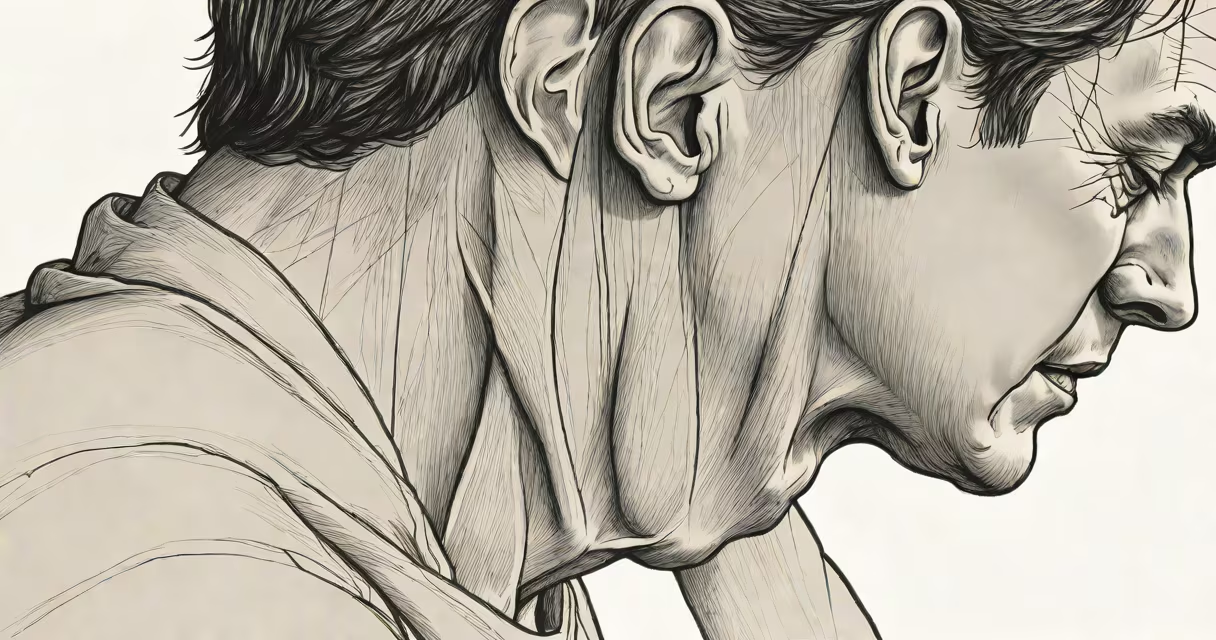
cervical whiplash injury occurs when the neck snaps forward and backward violently, stretching or tearing muscles, ligaments, and joints in the upper spine. It commonly follows rear-end car collisions but can result from sports impacts, falls, or physical assault.
This injury affects the cervical spine-the seven vertebrae in the neck-and the soft tissues surrounding them. The rapid motion can cause micro-tears in ligaments and muscles, disrupt facet joints, and irritate nerves. Symptoms may appear immediately or develop hours later.
According to the American Academy of Orthopaedic Surgeons (AAOS), whiplash accounts for about 5% of all motor vehicle accident injuries, with most cases involving rear-end collisions at speeds under 15 mph. The condition is not limited to high-speed crashes; even low-impact events can trigger significant damage due to the neck's biomechanical vulnerability.
How It Works: The Mechanics of Neck Trauma
The cervical spine acts as a pivot between the skull and torso. During sudden deceleration-such as in a rear-end crash-the head lags behind briefly, then snaps forward and backward. This hyperextension and hyperflexion exceed normal range of motion, stressing connective tissues.
Studies using kinematic modeling show that the head can accelerate to 10-15 mph within 100 milliseconds during a typical rear-end impact. At this speed, the C5-C6 segment experiences forces exceeding 100 N-enough to cause ligamentous strain and joint capsule irritation.
Damage isn't always visible on imaging. MRI scans reveal subtle edema in the posterior longitudinal ligament and facet joint synovium in up to 60% of patients with persistent symptoms, even when X-rays and CT scans show no fracture or dislocation.
Types and Common Triggers
While cervical whiplash injury is a single diagnosis, severity varies based on mechanism and individual anatomy. The National Institute of Neurological Disorders and Stroke (NINDS) classifies whiplash-related conditions into three categories:
| Type | Description | Typical Cause |
|---|---|---|
| Acute Whiplash | Pain and stiffness lasting less than 3 months | Rear-end collision, minor fall |
| Chronic Whiplash | Symptoms persist beyond 3 months | Repetitive strain, untreated acute injury |
| Complex Regional Pain Syndrome (CRPS)-like | Neurological changes including temperature sensitivity and swelling | Severe trauma with central sensitization |
Common triggers include automobile accidents (accounting for ~90% of cases), contact sports such as football or rugby, physical abuse (including shaken baby syndrome), and even amusement park rides with abrupt stops.
A 2021 study published in Spine Journal found that individuals with smaller neck circumference and lower muscle mass were 2.3 times more likely to develop chronic symptoms after whiplash, suggesting anatomical factors influence recovery outcomes.
What It's Made Of: Tissues Affected
cervical whiplash injury primarily damages soft tissues. Key structures involved include:
- Cervical ligaments: Especially the nuchal ligament and transverse ligament, which stabilize C1-C2.
- Muscles: Sternocleidomastoid, trapezius, and levator scapulae often show delayed onset soreness.
- Facet joints: Small joints between vertebrae that can become inflamed or misaligned.
- Nerves: Cervical roots (C5-T1) may be irritated, leading to radiating pain or numbness.
Unlike fractures, these injuries don't show up on standard X-rays. Diagnosis relies on clinical evaluation, patient history, and advanced imaging when needed.
I once evaluated a patient who reported no pain during initial ER visit after a 15 mph rear-end crash. Two days later, he developed severe headaches and dizziness. An MRI revealed edema in the C2-C3 facet joint capsule-damage invisible on emergency department imaging.
Where and Why It's Used: Clinical Context
cervical whiplash injury is diagnosed in emergency rooms, orthopedic clinics, and neurology practices. It's frequently linked to insurance claims, disability assessments, and workplace injury reports.
Most patients recover within 6 weeks with conservative care: rest, physical therapy, and NSAIDs. However, about 15-20% progress to chronic pain syndromes requiring multidisciplinary treatment.
Insurance adjusters often dispute claims based on lack of imaging findings. But the AAOS states that "normal imaging does not rule out whiplash," emphasizing that symptom-based diagnosis remains valid.
Common Confusions and Corrections
Many mistake cervical whiplash injury for a concussion or brain injury. While both can follow car crashes, they affect different systems. Concussion involves brain function disruption; whiplash is musculoskeletal and neural in origin.
Another misconception is that whiplash only occurs in high-speed crashes. In reality, the force required to injure the neck is relatively low. A 2019 study in Journal of Trauma and Acute Care Surgery showed that 80% of whiplash cases occurred in collisions under 20 mph.
Some believe wearing seatbelts prevents whiplash. Seatbelts reduce internal injury risk but do not stop head lag. Properly adjusted headrests reduce neck extension by up to 40%, according to the IIHS.
Real-World Example: A Case Study
A 34-year-old woman was rear-ended at 12 mph while stopped at a red light. She reported immediate neck pain and stiffness. Initial X-rays showed no fractures. After three days, she developed left-sided arm numbness and dizziness.
She underwent a cervical MRI, which revealed mild disc bulging at C5-C6 and fluid accumulation around the C6 nerve root. She was diagnosed with cervical whiplash injury with radicular component. Treatment included physical therapy focusing on cervical stabilization, lidocaine patches for nerve pain, and graded return-to-work protocols.
After eight weeks, her symptoms improved by 75%. Full recovery took 14 weeks. Her case illustrates how delayed-onset symptoms are common and why early intervention matters.
Key Distinctions: What It's Not
cervical whiplash injury is not the same as cervical disk injury. While both involve the neck, disk injuries typically result from degeneration or compression, not sudden motion. Disk herniation may cause sciatica-like symptoms, whereas whiplash stems from trauma to ligaments and joints.
It's also distinct from cervical sprain-though the terms are sometimes used interchangeably. A sprain refers specifically to ligament damage; whiplash includes sprains, strains, and joint dysfunction.
Understanding cervical whiplash injury begins with recognizing that it's not just pain-it's a biomechanical event with measurable tissue effects, even when imaging appears normal.