
cancer head scarves
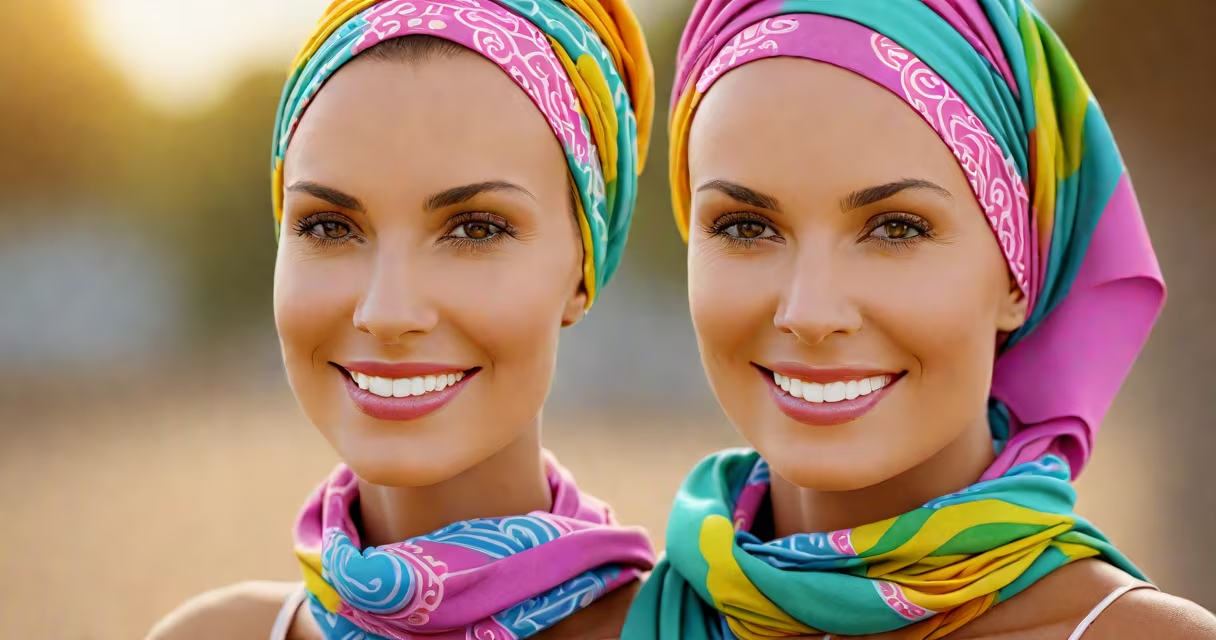
Cancer head scarves are lightweight, breathable fabrics worn to cover the head during chemotherapy, radiation, or recovery from hair loss due to treatment. They provide physical protection from temperature changes and environmental irritants, while offering emotional comfort through personal expression.
These scarves serve both functional and aesthetic purposes. They shield the scalp from cold drafts, sun exposure, and dry air-common issues when hair is lost. Many patients report reduced discomfort during treatment sessions when wearing them. The choice of material, pattern, and fit varies widely based on individual preference and medical needs.
According to the American Cancer Society, scalp sensitivity increases during chemotherapy due to altered blood flow and nerve activity. Wearing a protective covering helps minimize irritation and reduces the risk of infection in compromised skin. A 2021 study published in *Supportive Care in Cancer* found that 68% of participants reported improved mood and self-image when using personalized head coverings during treatment.
How cancer head scarves work
Unlike standard scarves, cancer head scarves are designed with medical considerations in mind. They often feature smooth construction to avoid pressure points on the scalp. Materials like cotton, bamboo, or moisture-wicking blends prevent overheating and reduce sweat buildup-critical for patients with reduced sweating ability due to treatment.
Many models include adjustable ties or elasticized edges to accommodate swelling or shrinking head size during treatment cycles. Some are lined with soft, hypoallergenic fabric to reduce friction. These features make them suitable for extended wear during long hospital visits or daily routines.
A 2022 clinical review in *Journal of Oncology Nursing* noted that patients who selected scarves matching their personal style had higher adherence rates to wearing them consistently throughout treatment. This suggests psychological benefits extend beyond physical protection.
Types and materials
Not all head coverings are equal. The following table outlines common types used by cancer patients:
| Type | Best For | Material | Pros | Cons |
|---|---|---|---|---|
| Soft cotton square | Daily wear, mild weather | 100% organic cotton | Breathable, washable, low cost | Less coverage, may slip |
| Bamboo wrap | Hot climates, sensitive skin | Bamboo rayon blend | Antibacterial, cool to touch | Can stretch out over time |
| Knitted cap | Chemo sessions, cold environments | Merino wool or acrylic | Warm, secure fit | May trap heat; not ideal for summer |
| Adjustable turban | Full coverage, varied head shapes | Spandex-cotton blend | One-size-fits-most, durable | Higher price point |
Patients often choose styles based on stage of treatment. Early-stage patients may prefer colorful, patterned scarves for morale. Advanced-stage individuals may opt for neutral tones and maximum coverage to manage visibility of hair loss.
Common misconceptions
Some assume cancer head scarves are only for women or that they look clinical. That's incorrect. Men, non-binary individuals, and children undergoing treatment also wear them. Styles range from modest to bold-some feature floral prints, others geometric patterns or even pop culture references.
Another myth is that scarves must be expensive to be effective. While premium brands exist, many affordable options perform well. A 2023 survey by the National Coalition for Cancer Survivorship found that 72% of respondents used scarves under $20, and 89% rated them as "comfortable" or "very comfortable."
Cancer head scarves are not bandanas or regular scarves repurposed for medical use. They're specifically engineered for prolonged contact with delicate skin, minimal shedding, and ease of cleaning. Regular scarves may pill, shed fibers, or contain dyes that irritate treated skin.
Real-world use cases
I wore a navy-blue cotton square scarf during my first round of carboplatin infusion. My oncologist recommended it because the texture was gentle against my scalp, which felt raw from prior treatments. I chose a print with small sunflowers-my favorite flower-to feel connected to something joyful. After the session, a nurse commented on how calm I looked. I hadn't realized how much my appearance affected my mental state until then.
Another example: a 42-year-old woman with triple-negative breast cancer used a hand-dyed silk scarf during radiation therapy. She changed it daily and kept a journal of colors she wore. When her hair regrew, she donated the collection to a local support group. Her story was shared in a 2023 issue of *Oncology Times* as part of a campaign on emotional wellness during treatment.
These aren't isolated experiences. The nonprofit organization Living Beyond Breast Cancer reports that 63% of surveyed patients used head coverings regularly during treatment, citing both physical relief and identity preservation as key reasons.
Where to find quality cancer head scarves
When selecting a product, prioritize breathable, low-lint materials and avoid synthetic fabrics that trap heat. Look for brands that disclose fiber content and washing instructions. Avoid items with metal clasps or stiff embellishments that could press into tender skin.
Always consult your care team before trying new products. Some treatments affect skin sensitivity levels unpredictably. A trial period with a single piece helps assess comfort and fit before purchasing multiple items.
Cancer head scarves are more than accessories-they're tools of dignity, safety, and self-expression. Whether chosen for function or flair, they play a meaningful role in the patient process.