
autumn leaves colors
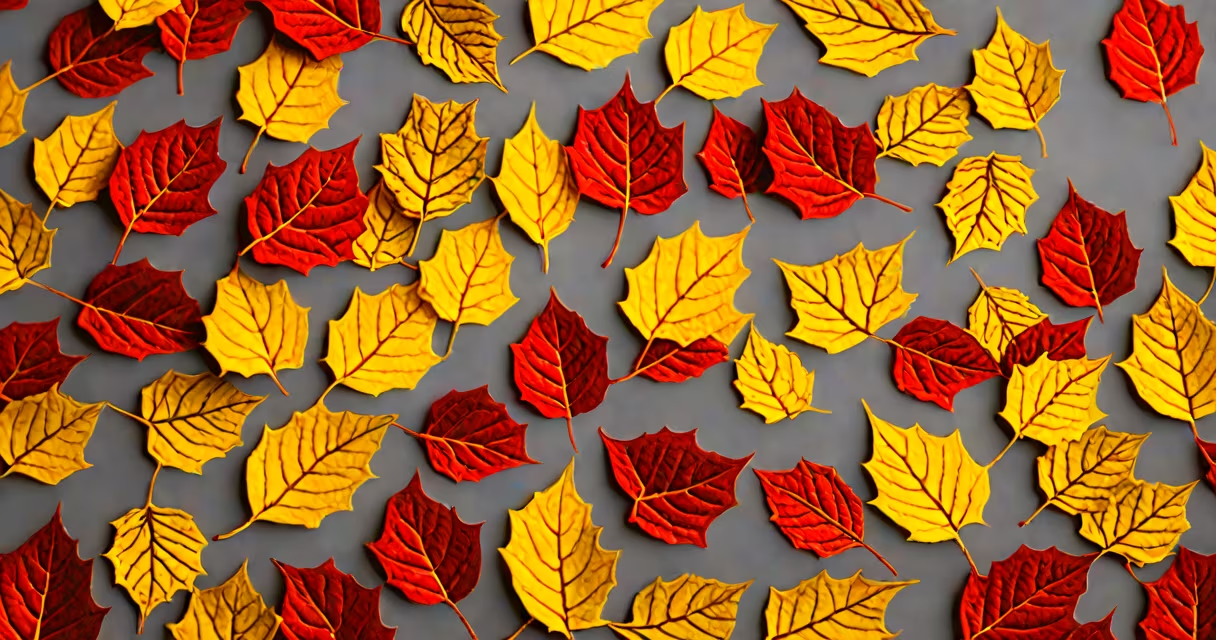
autumn leaves colors emerge when trees break down chlorophyll and reveal stored pigments like carotenoids and anthocyanins. This process begins as days shorten and temperatures drop in late summer and early fall.
Chlorophyll, the green pigment used in photosynthesis, degrades rapidly under shorter daylight conditions. As it disappears, hidden pigments become visible. Carotenoids-yellow and orange compounds present throughout the year-were always there but masked by green chlorophyll. Anthocyanins, responsible for reds and purples, form in the fall when sugars accumulate in leaves and react with proteins in the cells.
Not all trees display dramatic color changes. Deciduous species such as sugar maple, black cherry, and red oak produce vivid hues. Species like beech and birch often turn yellow or brown without red tones. The intensity of color depends on genetics, sunlight exposure, temperature, and soil moisture. Cool nights and sunny days improve red pigment formation.
How Leaf Pigments Work
Three primary pigments determine autumn leaf colors: chlorophyll, carotenoids, and anthocyanins. Chlorophyll absorbs blue and red light, reflecting green. When it breaks down, green fades.
Carotenoids absorb blue light and reflect yellow and orange. They protect chlorophyll from damage during photosynthesis and remain stable even as chlorophyll degrades. These pigments are present in most leaves year-round but only show up when chlorophyll disappears.
Anthocyanins are not present in leaves during spring and summer. They form in the fall when excess sugars trapped in leaf cells react with nitrogen-rich proteins. This reaction produces red and purple pigments. The process requires both sunlight and cool temperatures-ideal conditions occur in northern latitudes during September and October.
| Pigment | Color Produced | When Formed | Source |
|---|---|---|---|
| Chlorophyll | Green | Year-round | Photosynthesis |
| Carotenoids | Yellow, Orange | Present year-round | Stored in cells |
| Anthocyanins | Red, Purple | Fall only | Sugar-protein reaction |
Regional Variations and Timing
Peak autumn leaves colors vary by latitude and elevation. In New England, peak color typically occurs between late September and mid-October. In the Pacific Northwest, the timing shifts later due to milder temperatures and higher humidity. Mountainous areas like the Rockies see color change earlier due to colder nighttime temperatures.
A study by the U.S. Forest Service found that 68% of northeastern deciduous forests reach peak color between October 10 and October 20. The timing correlates closely with average daily temperatures below 10°C (50°F) and consistent sunlight. Drought or extreme heat can delay or weaken color development.
For example, in 2023, Vermont's fall foliage season peaked on October 14. The state's Department of Forests, Parks, and Recreation reported that high sugar maple populations produced intense reds, while birch and aspen showed golden hues. A dry summer reduced color intensity compared to previous years.
Common Misconceptions
Many assume that cold weather causes leaves to change color. In reality, it is decreasing daylight that triggers the process. Cold snaps may accelerate leaf drop but do not initiate pigment changes. Leaves turn color regardless of temperature if photoperiod (day length) decreases.
Another myth is that trees "die" in the fall. Trees enter dormancy, conserving energy and shedding leaves to reduce water loss. The color change is not a sign of decay-it's a controlled shutdown. Trees reabsorb nutrients from leaves before they fall, recycling nitrogen, phosphorus, and potassium back into branches and roots.
I once observed a sugar maple in a suburban yard in Massachusetts that turned bright red in early October despite a warm summer. The tree was surrounded by other maples that showed delayed coloration. The difference came down to soil drainage-this tree had better root access to oxygen, which supported stronger anthocyanin production.
Why Some Trees Stay Green
Evergreen trees like pines and spruces retain their needles year-round because they contain waxy coatings and antifreeze compounds. Their chlorophyll remains stable through winter. Deciduous trees lose leaves entirely, but not all turn colorful.
Species such as sycamore and elm often turn dull brown or gray. These trees lack significant anthocyanin production and have low carotenoid levels. Their leaves decompose quickly after falling, offering little visual appeal. In contrast, oaks may hold onto leaves into winter, turning russet or tan.
Research from Cornell University shows that sugar maples in optimal growing conditions produce 30% more anthocyanins than those in compacted urban soils. Soil pH, nutrient availability, and root health influence pigment expression. Trees under stress from pollution or drought often skip color change altogether.
Practical Applications and Observations
Forests with diverse species show layered color patterns. In the Adirondacks, for instance, red maples appear first, followed by yellow birches and finally brown oaks. This sequence creates a changing visual progression across weeks.
Photographers and nature guides track color peaks using tools like the National Phenology Network's LeafWatch app. Data from 2022 showed that peak color in the Great Smoky Mountains occurred on October 18, four days earlier than the 20-year average. Climate shifts are altering traditional timing patterns.
Understanding autumn leaves colors helps predict seasonal tourism, manage forest health, and plan urban landscaping. Cities like Toronto and Denver use leaf color forecasts to schedule park events and public transit adjustments during peak foliage periods.