
Amakuru mashya mu Rwanda
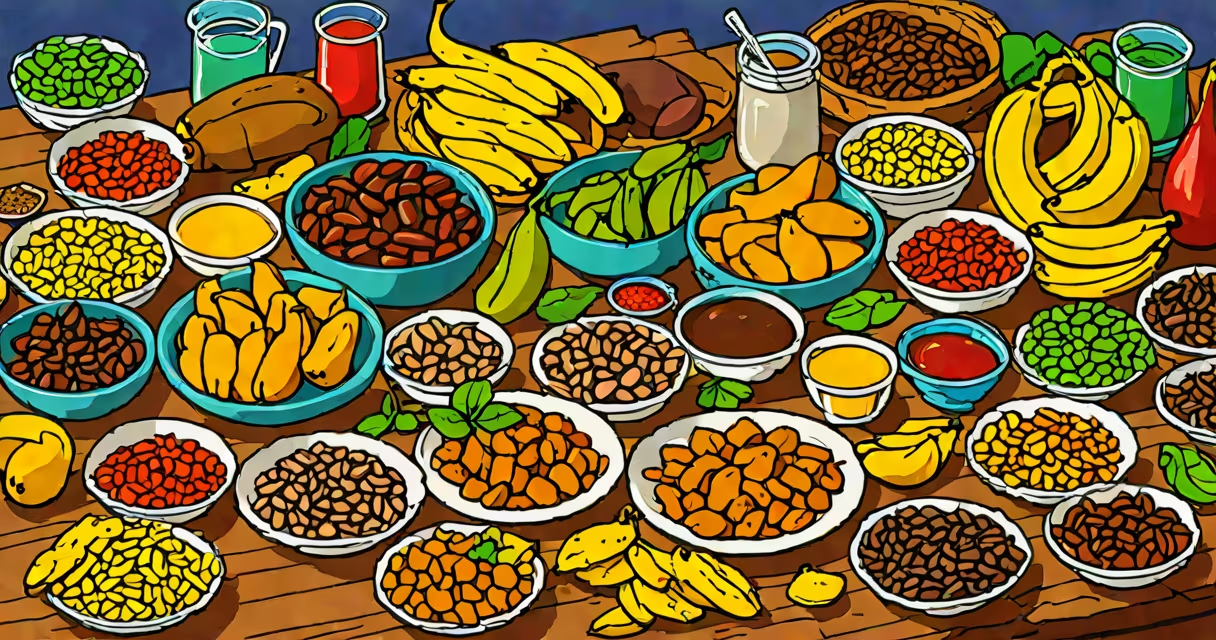
Amakuru mashya mu Rwanda are traditional meals prepared using locally grown ingredients such as maize, beans, plantains, and leafy greens, passed down through generations and central to family and community life.
These meals form the foundation of everyday eating in Rwanda. They rely on seasonal produce and regional farming methods. Staples like ugali (maize porridge), ikinyambo (bean stew), and ibitoke (steamed plantains) appear in homes across provinces. Meals are often shared during gatherings, holidays, and religious events, reinforcing social bonds.
Each region in Rwanda shapes its version of amakuru mashya based on altitude, soil quality, and access to water. In the highlands, farmers grow potatoes and sweet potatoes alongside maize. In lowland areas, cassava and plantains dominate. The preparation method varies too-some families boil vegetables in banana leaves, others ferment beans overnight before cooking.
How Amakuru Mashya Are Made
Preparation begins with sourcing fresh ingredients. Farmers harvest maize, beans, and greens from small plots near homes. These are cleaned, soaked, and cooked slowly over wood fires or gas stoves. The process takes time-up to four hours for a full meal.
For example, ikinyambo involves soaking dried beans overnight, then boiling them with onions, garlic, and sometimes meat. The result is a thick, savory stew served with ugali. A typical serving uses 200 grams of dry beans, 500 ml of water, and 15 minutes of simmering after the initial boil.
Vegetables like amaranth, spinach, and pumpkin leaves are washed, chopped, and sautéed with oil and salt. These greens are often served warm, not cold, to preserve nutrients. Cooking is done in large iron pots called "ibisungu," which retain heat well and allow even distribution of heat.
Types of Traditional Meals by Region
Rwanda's geography creates distinct culinary zones. The following table outlines common amakuru mashya by province:
| Province | Common Meal | Main Ingredients | Unique Feature |
|---|---|---|---|
| Kigali | Ugali na ibitoke | Maize flour, plantains, onions | Served with a side of spicy tomato sauce |
| Eastern Province | Ikinyambo ya karamu | Red beans, cassava, garlic | Slow-cooked with smoked meat for flavor |
| Western Province | Umutsima w'umugongo | Potatoes, green beans, cabbage | Steamed in banana leaves over fire |
| Northwestern Province | Amatare ya kigoma | Plantains, beans, peanut paste | Thickened with ground peanuts |
These differences aren't just about taste-they reflect adaptation to climate and available resources. In mountainous areas, crops grow slower, so families store beans and maize for longer periods. In fertile valleys, they grow multiple crops per year.
Where and When Amakuru Mashya Are Eaten
Amakuru mashya are consumed daily, especially at lunch and dinner. Families eat together on the floor or at low tables, using their right hands to scoop food. This practice fosters connection and mindfulness around eating.
Meals also mark significant moments. During Umuganda (national community service), people gather for a shared lunch of igikombe (maize porridge) and vegetables. Weddings feature elaborate spreads: karamu, a layered dish of beans, rice, and meat, is served to guests.
Religious observances influence meal choices too. During Lent, many families avoid meat and focus on bean-based meals. On Christmas Eve, households prepare karamu with chicken, fish, or goat, depending on income level.
Common Misconceptions and Corrections
One widespread misunderstanding is that amakuru mashya are simple or basic. In reality, they require skill and timing. A single meal may involve five steps: cleaning, soaking, boiling, mixing, and serving-all completed within a tight window.
Another error is equating amakuru mashya with "Rwandan food" as a monolith. There is no single national dish. While ugali appears frequently, its texture and serving style differ by region. In Kigali, it's firm and dense; in rural areas, it's softer and mixed with broth.
A lesser-known fact: Some traditional meals contain fermented components. For example, amatare (fermented cassava) is eaten in parts of the south. Fermentation increases shelf life and boosts gut health, according to research by the Food and Agriculture Organization (FAO).
During my visit to a village near Musanze, I watched a grandmother prepare a full meal from scratch. She ground maize by hand, boiled beans in a clay pot, and steamed plantains in a basket over a fire. The entire process took six hours. Her family ate silently, savoring each bite. That moment showed me how food connects memory, identity, and survival.
Why Amakuru Mashya Matter Today
Amakuru mashya are more than sustenance-they are cultural artifacts. They preserve language, stories, and values. Children learn to cook by watching elders, passing down recipes orally.
They also support food security. Local ingredients reduce reliance on imported goods. A study by the World Bank found that households growing their own food spend 30% less on groceries and report higher satisfaction with diet quality.
Today, amakuru mashya remain important. They are served in schools, hospitals, and government offices. Urban chefs are reviving old recipes with modern twists, but always honoring the original ingredients and methods.
Understanding amakuru mashya mu Rwanda reveals how food reflects resilience, identity, and care. These meals are not relics-they are living traditions shaped by land, labor, and love.