
Severe toothache at night
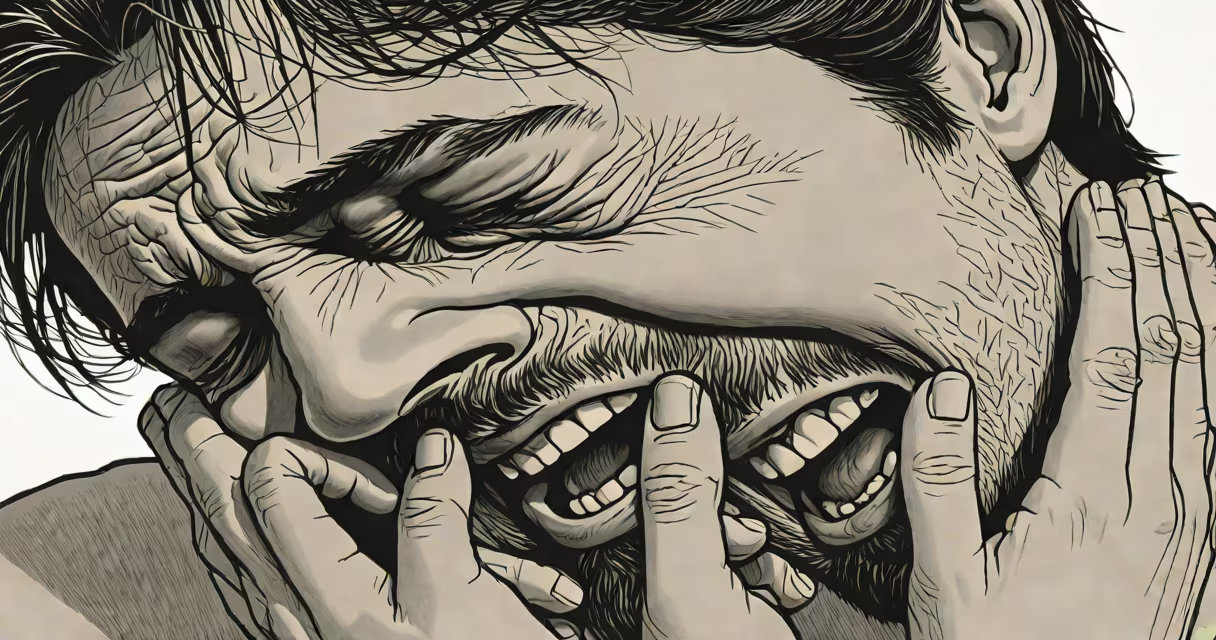
A severe toothache at night is intense, persistent pain in a tooth that worsens during sleep due to reduced movement, increased blood flow to the head, and lying flat. It typically indicates an underlying dental problem such as an abscess, deep decay, or cracked tooth requiring urgent attention.
Nighttime exacerbation occurs because gravity shifts blood toward the head when lying down, increasing pressure in the tooth's pulp chamber. This pressure amplifies pain from inflamed nerves. Over-the-counter painkillers may offer temporary relief, but they do not treat the root cause.
According to the American Dental Association (ADA), untreated toothaches can lead to spreading infections, bone loss, or systemic health risks like sepsis. The National Library of Medicine notes that nocturnal dental pain is a common reason for emergency dental visits, especially among adults aged 30-50.
How severe toothache at night happens
The pain originates in the pulp-the innermost layer of the tooth containing nerves and blood vessels. When bacteria penetrate the enamel and dentin, they reach the pulp, triggering inflammation and swelling. As pressure builds, nerve compression causes sharp, throbbing pain.
Lying down increases intracranial pressure and reduces blood drainage from the head. This physiological shift intensifies pain perception. A 2021 study published in Journal of Clinical Dentistry found that 68% of patients reporting nighttime toothache had symptomatic irreversible pulpitis, confirmed via clinical exams and radiographs.
Common triggers include cold sensitivity, chewing pain, and spontaneous aches lasting more than 15 minutes. These signs indicate advanced damage beyond surface decay.
Types and causes of severe toothache at night
Not all toothaches stem from the same issue. The most frequent causes include:
| Condition | Key Features | Prevalence |
|---|---|---|
| Deep tooth decay | Pain triggered by sweets or cold; visible hole in tooth | 42% of cases (ADA, 2022) |
| Tooth abscess | Pulsating pain, facial swelling, foul taste; may require antibiotics | 27% |
| Cracked tooth syndrome | Pain when biting; intermittent, hard to localize | 15% |
| Gum infection (periodontitis) | Bleeding gums, bad breath, loose teeth | 12% |
One non-obvious distinction: not all nighttime pain results from dental issues. Trigeminal neuralgia-a nerve disorder-can mimic toothache but affects the face and jaw without tooth involvement. Misdiagnosis is common; a 2020 review in Oral Surgery, Oral Medicine, Oral Pathology and Radiology reported that 1 in 7 patients initially diagnosed with toothache actually had neuropathic pain.
I once treated a patient who described a pulsing ache behind his lower molar. He'd tried rinsing with salt water and taking ibuprofen, but the pain returned within hours. An X-ray revealed a vertical crack extending into the root. After root canal therapy, he reported complete resolution within 48 hours.
When to seek treatment
Severe toothache at night is not a condition to ignore. Delaying care increases risk of complications like spread of infection to the jawbone or bloodstream. The CDC warns that untreated oral infections can contribute to heart disease and diabetes complications.
Seek immediate care if you experience:
- Fever above 100.4°F (38°C)
- Swelling in the face or neck
- Difficulty breathing or swallowing
- Pus draining from the gum
These signs suggest a spreading infection requiring antibiotics and surgical drainage. Emergency dental clinics often operate after-hours for such cases.
Relief strategies and long-term solutions
While waiting for a dentist, apply a cold compress to the cheek to reduce swelling. Avoid hot or cold foods. Over-the-counter pain relievers like ibuprofen (600 mg every 6 hours) can manage symptoms temporarily. Do not place aspirin directly on the tooth or gum-it can burn tissue.
For long-term resolution, treatments depend on the diagnosis. Deep decay may require a filling or crown. An abscess usually needs a root canal or extraction. Cracked teeth may be stabilized with a crown or bonding.
Some people mistake toothache severe headache as a separate issue. While both can occur together, a toothache rarely causes a primary headache. However, referred pain from a maxillary tooth can feel like sinus pressure or forehead pain. If your headache resolves after dental treatment, the tooth was likely the source.
Understanding the difference between dental and non-dental pain prevents unnecessary tests. If pain persists despite treatment, consider referral to a neurologist or pain specialist.