
What Is Carbon Neutral
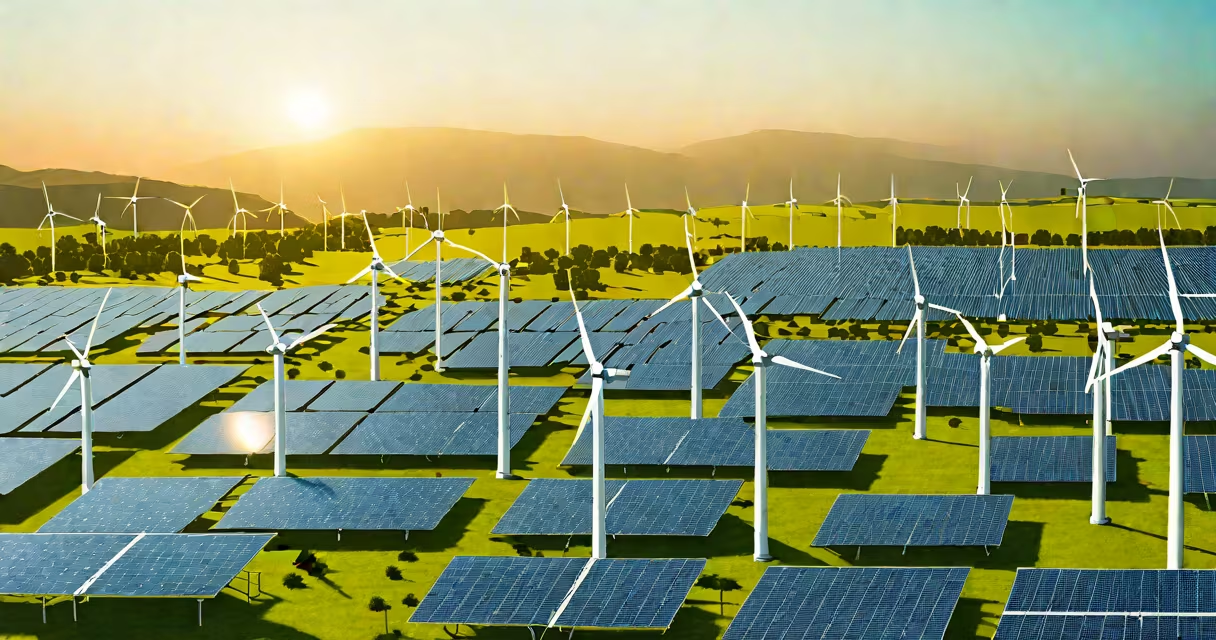
Carbon neutral means emitting no net carbon dioxide into the atmosphere, achieved by balancing emissions with equivalent removals or offsets. This state occurs when the amount of CO₂ released equals the amount removed from the air through natural or technological methods.
Carbon neutrality is not about eliminating all emissions-it's about ensuring that any CO₂ released is counterbalanced. For example, a company that emits 10,000 tons of CO₂ annually can become carbon neutral by funding projects that remove or prevent 10,000 tons of CO₂ from the atmosphere, such as reforestation or renewable energy installations.
The concept gained traction after the 2015 Paris Agreement, which called for global efforts to limit warming to below 2°C. The Intergovernmental Panel on Climate Change (IPCC) states that reaching net-zero emissions by 2050 is essential to avoid catastrophic climate impacts. Achieving carbon neutrality is a key step toward that goal.
How Carbon Neutrality Works
Carbon neutrality operates on a simple principle: emissions must be matched by equivalent removals. This balance is tracked through carbon accounting systems that measure emissions from sources like fuel combustion, industrial processes, and transportation.
For instance, a manufacturing plant burning natural gas produces CO₂. To become carbon neutral, the plant must either reduce emissions through efficiency upgrades-such as switching to electric furnaces-or purchase carbon credits from verified projects that sequester CO₂, like planting trees or capturing methane from landfills.
Verification is critical. Organizations like the Gold Standard and the Verified Carbon Standard (VCS) audit offset projects to ensure they deliver real, measurable, and permanent emission reductions. Without verification, claims of carbon neutrality lack credibility.
Types of Carbon Neutrality Approaches
There are two primary pathways to carbon neutrality: reducing emissions and using offsets. Most organizations combine both strategies.
| Approach | How It Works | Example |
|---|---|---|
| Emission Reduction | Lowering output at the source through efficiency, renewables, or process changes. | A factory switching from diesel generators to solar power. |
| Carbon Offsetting | Purchasing credits from projects that remove or avoid CO₂ emissions. | Funding a reforestation project in Costa Rica that absorbs 500 tons of CO₂ yearly. |
Some companies prioritize reduction first. Microsoft, for example, committed to being carbon negative by 2030-meaning it will remove more CO₂ than it emits. This goes beyond neutrality and reflects a higher ambition.
Not all offsets are equal. A 2022 study by the University of Oxford found that nearly half of voluntary carbon credits fail to deliver lasting climate benefits due to poor project design or lack of oversight. Reputable programs require additionality-the idea that the emission reduction wouldn't have happened without the credit funding.
Common Misconceptions and Corrections
Carbon neutral is often misunderstood as synonymous with "zero emissions." That's incorrect. Carbon neutral allows for ongoing emissions as long as they're balanced. A flight from New York to London emits about 1.1 tons of CO₂ per passenger. A traveler can become carbon neutral by buying a verified carbon credit that funds a wind farm in India, which prevents 1.1 tons of CO₂ from entering the atmosphere.
Another myth is that carbon neutrality is purely voluntary. While many companies adopt it voluntarily, several countries now mandate it. The European Union's Carbon Border Adjustment Mechanism (CBAM) requires importers to report and pay for embedded carbon in goods, effectively pushing businesses toward neutrality.
Some critics argue that offsets allow polluters to continue harmful practices. This concern is valid-but the solution lies in setting strict standards. The Science-Based Targets initiative (SBTi) requires companies to cut 90% of emissions internally before relying on offsets for the remaining 10%. This ensures offsets don't replace real action.
Real-World Example: A City's Path to Carbon Neutrality
Take the city of Copenhagen, Denmark. By 2025, it aims to be carbon neutral. Its strategy includes:
- Replacing fossil-fuel heating with district heat powered by waste-to-energy plants.
- Expanding cycling infrastructure-over 40% of residents now commute by bike.
- Installing solar panels on public buildings and subsidizing rooftop solar for homes.
- Buying carbon credits from peatland restoration projects in Scotland.
Copenhagen's plan reduces emissions by 70% through direct action and uses high-quality offsets for the remainder. The city tracks progress via an open dashboard updated monthly, ensuring transparency.
On a personal level, I once helped a small business in Portland calculate its carbon footprint. We discovered that their office lighting and delivery vans accounted for 60% of emissions. After switching to LED bulbs and optimizing routes, they reduced emissions by 45%. They then purchased 120 carbon credits from a forest conservation project in Peru. The project was certified by Verra. Their annual report now states: "We are carbon neutral."
Why Carbon Neutrality Matters
Climate scientists agree that limiting global temperature rise to 1.5°C requires net-zero CO₂ emissions by 2050. Carbon neutral is a practical milestone along that path. According to the World Resources Institute, over 1,000 cities and 12,000 companies globally have pledged to reach carbon neutrality by 2050.
However, success depends on accountability. The UNFCCC's Paris Agreement Monitoring Structure requires countries to report emissions annually. Independent audits are mandatory for national pledges. Without enforcement, carbon neutrality becomes symbolic rather than impactful.
When evaluating a claim of carbon neutrality, ask: Was the calculation based on standardized protocols like GHG Protocol? Are offsets from accredited programs? Is the data publicly available?
Carbon neutral is not a destination-it's a commitment to continuous improvement. As technologies evolve, so do the tools to achieve it. Advances in direct air capture and green hydrogen may soon make carbon neutrality easier and more scalable.
Understanding what is carbon neutral helps individuals and organizations make informed choices. It's not about perfection-it's about responsibility. Every ton of CO₂ balanced is a step toward a stable climate.