
What Does Pancreas Control
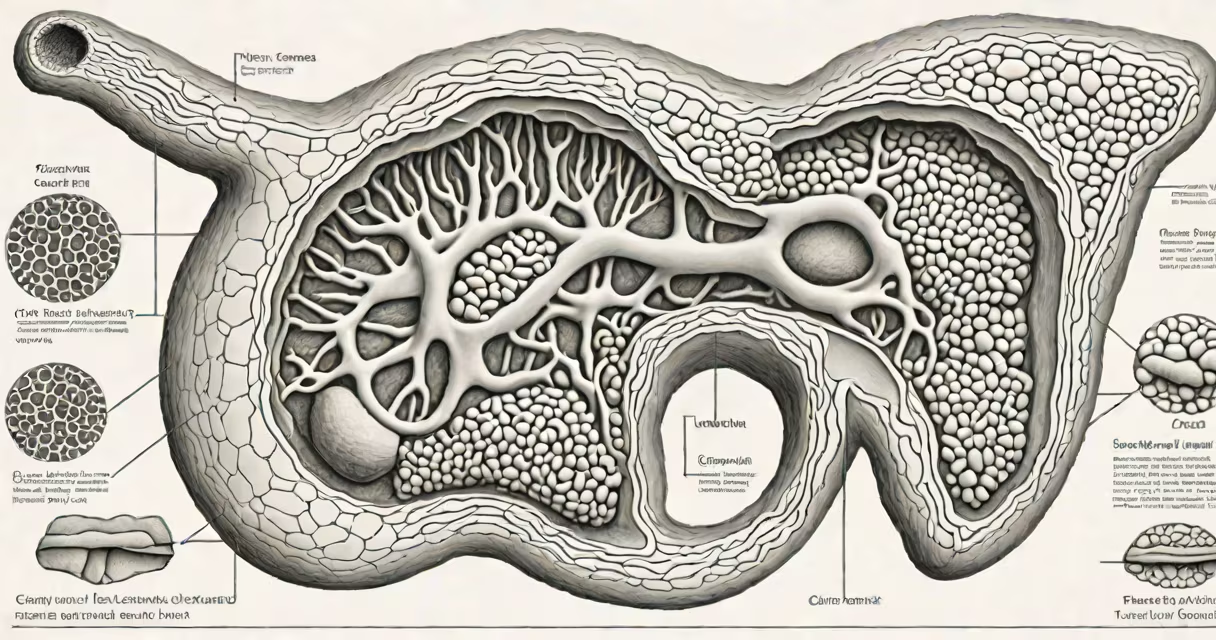
The pancreas controls blood glucose levels through insulin release and supports digestion by secreting enzymes into the small intestine. It functions as both an endocrine and exocrine organ, regulating metabolism and nutrient breakdown.
As an endocrine gland, the pancreas produces hormones that enter the bloodstream. The most critical of these is insulin, released by beta cells in the islets of Langerhans. Insulin lowers blood glucose by enabling cells to absorb glucose from the blood. Without this mechanism, blood sugar rises dangerously high, leading to diabetes.
As an exocrine gland, the pancreas generates digestive enzymes such as amylase, lipase, and trypsin. These enzymes travel through ducts into the duodenum, where they break down carbohydrates, fats, and proteins. A single meal can trigger the release of over 1 liter of pancreatic fluid daily during digestion.
How the Pancreas Regulates Blood Sugar
When blood glucose rises after eating-typically above 7 mmol/L-the pancreas detects the increase via specialized beta cells. These cells respond within minutes by releasing stored insulin into the bloodstream. Insulin binds to receptors on muscle, fat, and liver cells, triggering glucose uptake and storage as glycogen.
Insulin also suppresses glucose production in the liver. In healthy individuals, this process keeps fasting blood glucose between 4.0 and 5.6 mmol/L. When the system fails, blood sugar remains elevated. Type 1 diabetes results from autoimmune destruction of beta cells, while Type 2 diabetes involves insulin resistance and eventual beta cell exhaustion.
A 2021 study published in Nature Medicine found that people with early-stage Type 2 diabetes show reduced insulin response even before symptoms appear. This indicates that pancreatic dysfunction begins years before diagnosis, underscoring the need for early monitoring.
Enzymatic Functions in Digestion
The pancreas secretes a bicarbonate-rich fluid that neutralizes acidic chyme from the stomach. This creates an optimal pH of 7.5-8.0 in the duodenum, allowing digestive enzymes to work effectively.
Key enzymes include:
- Alpha-amylase: Breaks down starch into maltose (one molecule of amylase can cleave 100,000 glycosidic bonds per minute).
- Lipase: Hydrolyzes triglycerides into fatty acids and monoglycerides (requires bile salts for activation).
- Trypsin and chymotrypsin: Degrade proteins into peptides and amino acids.
Deficiency in any of these enzymes leads to malabsorption. Chronic pancreatitis or cystic fibrosis can reduce enzyme output by up to 90%, resulting in steatorrhea-fatty, foul-smelling stools.
Types of Pancreatic Disorders
Disorders affecting the pancreas fall into two categories: endocrine and exocrine. Endocrine issues primarily involve hormone imbalances, while exocrine problems relate to enzyme deficiency or obstruction.
| Condition | Primary Dysfunction | Common Symptoms |
|---|---|---|
| Type 1 Diabetes | Autoimmune loss of insulin-producing beta cells | Frequent urination, excessive thirst, unexplained weight loss |
| Chronic Pancreatitis | Progressive scarring reducing enzyme and hormone output | Recurrent abdominal pain, weight loss, diarrhea |
| Pancreatic Cancer | Tumor growth compressing ducts and islets | Jaundice, new-onset diabetes, back pain |
One overlooked fact: new-onset diabetes in adults over 50 can be a sign of pancreatic cancer. A 2019 study in JAMA Oncology reported that 10% of patients diagnosed with Type 2 diabetes after age 50 later developed pancreatic cancer within five years.
Common Misconceptions
Many assume the pancreas only manages blood sugar. In reality, it plays dual roles-one endocrine, one exocrine-each important to survival. Confusing the two leads to misdiagnosis. For example, a patient with persistent diarrhea may be treated for irritable bowel syndrome when the root cause is pancreatic insufficiency.
Another error is believing that diet alone can reverse advanced pancreatic disease. While nutrition supports function, it cannot restore lost beta cells or repair damaged ducts. Insulin therapy remains essential for Type 1 diabetes.
I once observed a patient with undiagnosed chronic pancreatitis who had been prescribed antacids for years. His symptoms improved only after a stool elastase test confirmed low enzyme levels. Once he began taking pancreatic enzyme replacement therapy, his weight stabilized and energy returned.
Why Understanding Pancreas Control Matters
Knowing what the pancreas controls helps prevent complications. Uncontrolled blood sugar damages nerves, kidneys, and blood vessels. Poor digestion reduces nutrient absorption, increasing risks of osteoporosis and vitamin deficiencies.
Monitoring blood glucose regularly and maintaining a balanced diet support pancreatic health. For those with risk factors-family history of diabetes, obesity, or smoking-early screening is important. A fasting glucose test and HbA1c measurement can detect issues before symptoms arise.
Understanding the pancreas reveals how tightly interconnected bodily systems are. Its dual role helps food intake translates into usable energy and waste is processed efficiently. Ignoring its function invites systemic failure.
Recognizing what the pancreas controls allows proactive health decisions. Early intervention prevents irreversible damage. The pancreas doesn't just regulate blood sugar-it sustains life itself.