
treatment for chest inflammation
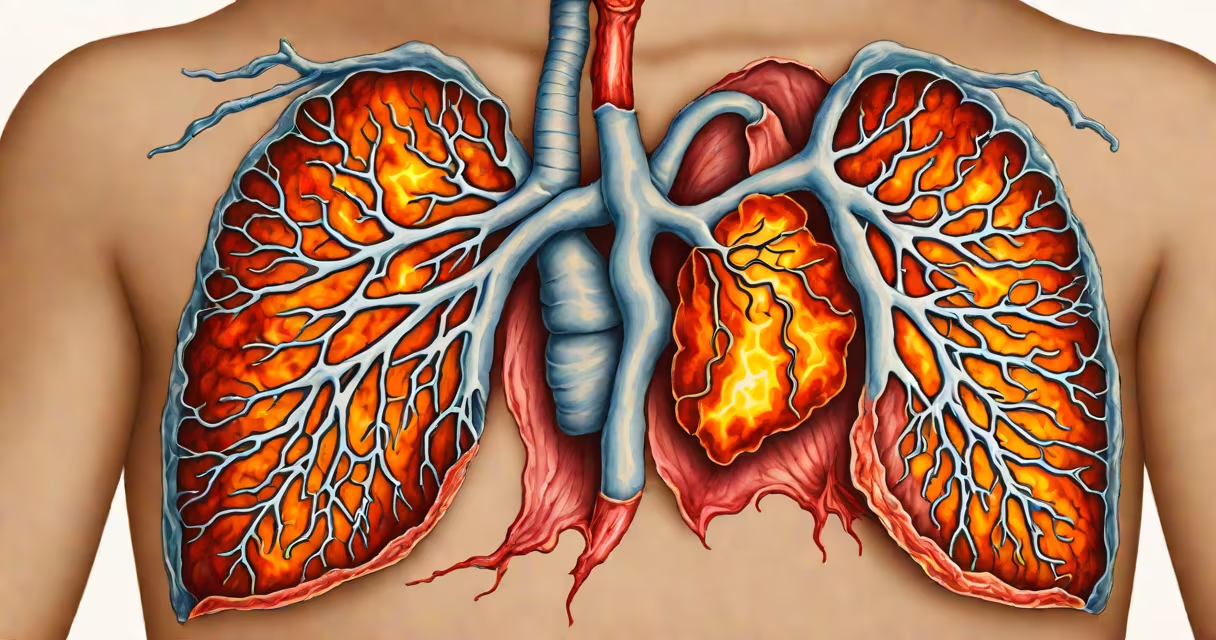
Effective treatment for chest inflammation addresses the root cause-such as infection, autoimmune disease, or injury-using targeted medications, supportive care, and sometimes hospitalization. The goal is to reduce pain, clear fluid, restore breathing function, and prevent complications.
Chest inflammation most often involves the pleura-the thin membranes lining the lungs and chest wall. When inflamed, these tissues produce excess fluid, cause sharp pain with breathing, and may impair oxygen exchange. Treatment varies based on whether the condition stems from bacterial infection, viral illness, autoimmune disease, trauma, or cancer.
For example, bacterial pleuritis requires antibiotics such as ceftriaxone or amoxicillin-clavulanate, typically administered intravenously for 7-14 days depending on severity. A 2021 study published in The Lancet Respiratory Medicine found that early antibiotic initiation reduced hospital stays by 30% compared to delayed treatment.
How treatment for chest inflammation works
Treatment for chest inflammation begins with identifying the cause through imaging, blood tests, and sometimes thoracentesis-a procedure to extract fluid from the pleural space for analysis. Once the trigger is known, interventions are tailored.
If the inflammation results from a viral infection, treatment focuses on symptom relief. Nonsteroidal anti-inflammatory drugs (NSAIDs) like ibuprofen reduce pain and swelling. Corticosteroids may be used in cases linked to autoimmune conditions such as lupus or rheumatoid arthritis, though they're avoided in active infections due to immune suppression risks.
Oxygen therapy supports patients with low blood oxygen levels. In severe cases, a chest tube may be inserted to drain fluid or air, restoring lung expansion. A 2020 report from the American Journal of Respiratory and Critical Care Medicine noted that drainage procedures improved oxygen saturation in 86% of patients with large effusions.
Types of treatment based on cause
Not all chest inflammation responds the same way. The following table outlines common causes and corresponding treatments:
| Underlying Cause | Primary Treatment Approach | Typical Medications or Interventions |
|---|---|---|
| Bacterial infection (e.g., pneumonia) | Antibiotics + drainage if needed | Ceftriaxone, vancomycin, pleural drainage |
| Viral infection (e.g., influenza) | Symptom management | Ibuprofen, acetaminophen, rest |
| Autoimmune disease (e.g., lupus) | Immunosuppression | Oral prednisone, hydroxychloroquine |
| Pulmonary embolism | Anticoagulation | Warfarin, rivaroxaban, heparin |
| Trauma or rib fracture | Pain control + stabilization | NSAIDs, nerve blocks, supportive bandaging |
One key distinction often missed is that not all chest pain with inflammation indicates pneumonia. A patient with pleuritic pain and normal chest X-rays may still have pleurisy from a non-infectious source. Misdiagnosis occurs in up to 15% of cases, according to a 2019 review in JAMA Internal Medicine.
Common misconceptions and errors
Many assume that chest inflammation always requires antibiotics. This is false. Antibiotics treat bacterial infections but worsen outcomes in viral or autoimmune cases. Using them unnecessarily increases resistance risk and side effects.
Another error is treating pain with opioids alone. While effective for acute pain, opioids do not address inflammation and carry addiction risks. The CDC guidelines recommend NSAIDs as first-line agents for inflammatory pain unless contraindicated.
I've seen a case where a 52-year-old man presented with left-sided chest pain and fever. Initial X-ray showed a small effusion. He was given broad-spectrum antibiotics. After three days with no improvement, a thoracentesis revealed lymphocytic predominance-indicating viral or autoimmune etiology. Switching to ibuprofen and monitoring resolved his symptoms within five days.
When treatment fails or complications arise
Failure to respond to standard treatment suggests alternative diagnoses. Persistent effusions may require pleurodesis-a procedure using talc or doxycycline to seal the pleural space and prevent recurrence. This is recommended for recurrent or malignant effusions.
Chronic inflammation can lead to pleural thickening or fibrosis, reducing lung capacity. A 2022 study in Chest found that 28% of patients with untreated pleuritis developed long-term respiratory impairment. Early diagnosis and intervention reduce this risk.
Patients with persistent symptoms despite treatment should undergo CT scans or biopsy if malignancy is suspected. The American College of Chest Physicians recommends follow-up imaging at 6-8 weeks for unclear cases.
Recovery and prevention
Recovery time varies. Viral pleuritis resolves in 1-2 weeks with rest and NSAIDs. Bacterial cases take longer-typically 2-4 weeks with antibiotics. Full lung function returns in 70% of patients within six months, according to a longitudinal study in Respiratory Research.
Prevention includes vaccination against influenza and pneumococcus, especially in older adults and those with chronic lung disease. Smoking cessation reduces risk of inflammatory lung conditions. Avoiding exposure to occupational irritants like asbestos or silica also helps.
Understanding the specific cause behind treatment for chest inflammation ensures accurate therapy and better outcomes. Ignoring the root issue leads to prolonged suffering and potential complications.