
Skin rashes that itch
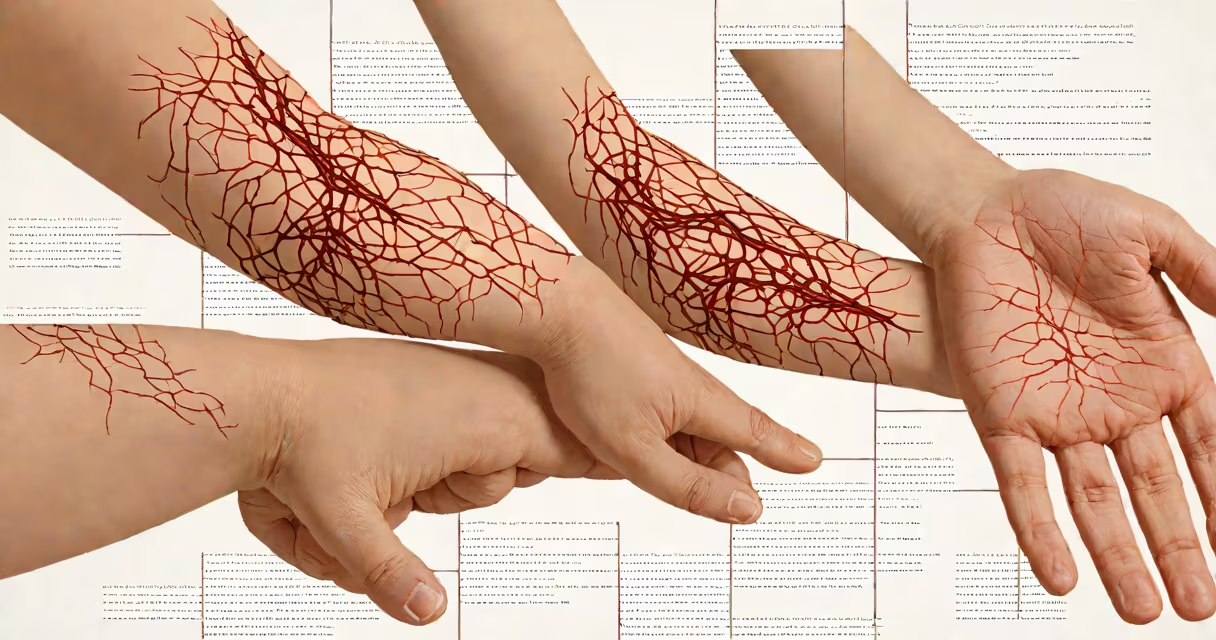
Skin rashes that itch are localized areas of irritated, inflamed skin that trigger an uncomfortable urge to scratch. They result from immune responses, irritants, allergens, or underlying health conditions affecting the skin's barrier function.
These rashes develop when nerve endings in the skin detect irritation and send signals to the brain, triggering the itch reflex. The response is often automatic - scratching may temporarily relieve discomfort but worsens inflammation and increases infection risk. Common causes include allergic reactions, fungal infections, insect bites, and chronic skin disorders such as eczema or psoriasis.
The American Academy of Dermatology notes that persistent itching affects over 15 million adults in the U.S. annually, with nearly half linked to identifiable skin conditions. Itching without visible rash may indicate internal issues like kidney disease or liver dysfunction, but skin rashes that itch typically show physical changes such as redness, swelling, scaling, or blistering.
How skin rashes that itch form
When the skin's outer layer is compromised, immune cells release chemicals like histamine. These substances increase blood flow and attract white blood cells to the site, causing redness, warmth, and swelling. Nerve fibers in the epidermis detect these changes and fire signals to the spinal cord and brain, resulting in the sensation of itch.
Scratching activates pain pathways that briefly override itch signals, creating temporary relief. But repeated scratching damages the skin further, breaking the protective barrier and allowing bacteria to enter. This leads to secondary infections, delayed healing, and potential scarring.
A 2021 study published in JAMA Dermatology found that patients with chronic pruritus (itching) were 3.6 times more likely to report sleep disturbances and anxiety compared to those without. The cycle of itch-scratch-itch perpetuates inflammation and can lead to lichenification - thickened, leathery skin from constant rubbing.
Types and common causes
Several distinct patterns define skin rashes that itch. The appearance, location, and timing help narrow down the cause.
| Type | Appearance | Common Triggers | Typical Location |
|---|---|---|---|
| Eczema (atopic dermatitis) | Red, dry, cracked skin; oozes when scratched | Genetics, environmental allergens, stress | Bends of elbows, behind knees, face |
| Contact dermatitis | Red, blistering rash with sharp borders | Chemicals, metals, plants (e.g., poison ivy) | Areas touching the substance (hands, neck) |
| Hives (urticaria) | Raised, pale centers with red rings; moves quickly | Allergies (foods, medications), infections | Anywhere on body; can shift within hours |
| Fungal infections | Ring-shaped, scaly patches with central clearing | Mold spores, damp environments (e.g., athlete's foot) | Feet, groin, underarms |
One non-obvious distinction: hives are not always due to food allergies. A 2022 review in Clinical & Experimental Allergy reported that 40% of acute urticaria cases had no identifiable allergen. Viral infections, especially hepatitis B and Epstein-Barr virus, are frequent culprits.
Another key point: not all itchy rashes are inflammatory. Scabies, caused by mites burrowing under the skin, produces intense nighttime itching despite minimal visible lesions. Diagnosis requires microscopic confirmation of mites or eggs in skin scrapings.
When to seek medical care
Most skin rashes that itch resolve within 7-10 days with over-the-counter treatments. However, certain signs indicate the need for professional evaluation.
Seek care if the rash spreads rapidly, blisters break open and ooze pus, or develops fever, chills, or swollen lymph nodes. These suggest bacterial infection requiring antibiotics. Persistent rashes lasting longer than three weeks also warrant a visit, especially if they don't improve with moisturizers or antihistamines.
I once treated a patient whose itchy rash on the hands persisted for six weeks despite using hydrocortisone cream. Patch testing revealed nickel sensitivity - he wore a new watchband daily. Removing the metal source cleared the rash within five days. This illustrates how overlooked environmental exposures can drive chronic itching.
Differentiating from similar conditions
Skin rashes that itch are often mistaken for other skin changes. For example, psoriasis presents with thick, silvery scales on elbows and knees, but the itching is usually less intense than in eczema. Psoriatic plaques are also less likely to weep fluid when scratched.
Another confusion: ringworm (tinea corporis) mimics eczema but forms circular, expanding lesions with clearer centers. Misdiagnosis leads to ineffective treatment. A simple potassium hydroxide (KOH) test can confirm fungal hyphae under the microscope.
Itch without rash - known as pruritus sine materia - occurs in up to 10% of dermatology referrals. Causes include thyroid disorders, iron deficiency, and neuropathic conditions. In these cases, the skin appears normal, yet patients describe severe burning or crawling sensations. Evaluation includes blood tests and neurological exams.
Understanding the difference between a rash that itches and one that doesn't is critical. A 2020 study in British Journal of Dermatology showed that patients who delayed care for itchy rashes experienced twice the rate of complications, including cellulitis and permanent pigment changes.
Identifying the root cause of skin rashes that itch enables effective management. Early intervention reduces long-term damage and improves quality of life. Always consult a healthcare provider when symptoms persist or worsen.