
Left lower back pain during pregnancy
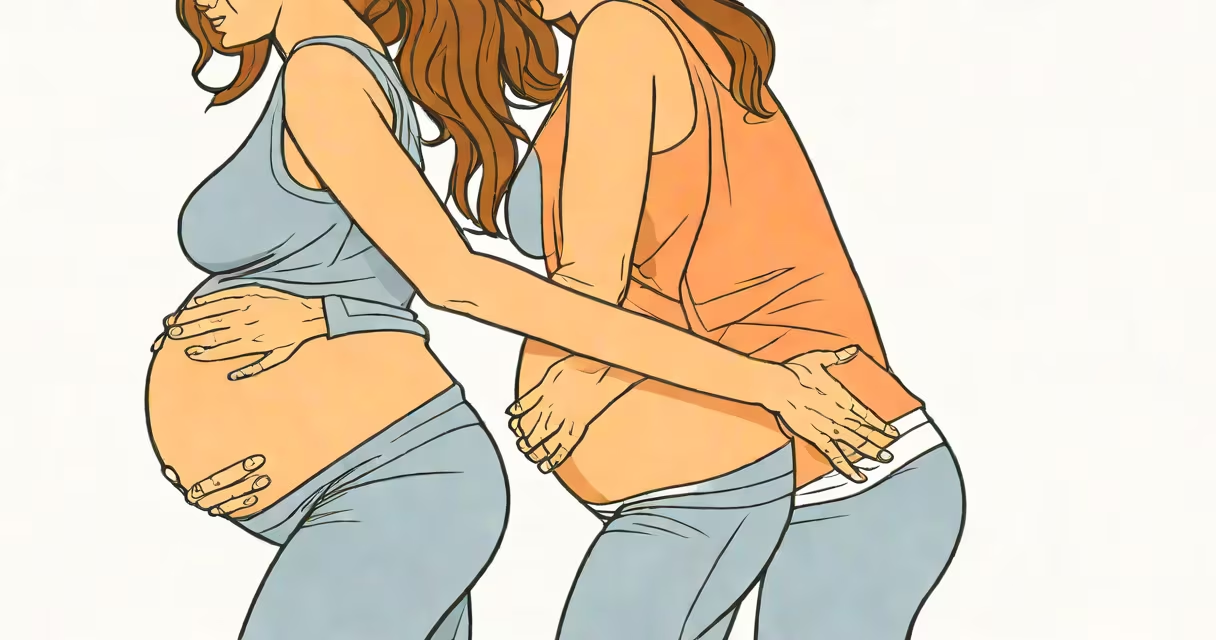
Left lower back pain during pregnancy is a common musculoskeletal discomfort affecting up to 60% of pregnant individuals, typically emerging in the second trimester due to shifting center of gravity, increased spinal load, and hormonal softening of ligaments.
This pain arises from mechanical stress on the lumbar spine and surrounding muscles, particularly as the growing uterus alters posture and places uneven pressure on the left side of the lower back. The condition is not a sign of fetal risk but may impact mobility and sleep quality.
While many cases resolve postpartum, persistent or worsening pain requires evaluation to rule out rare but serious conditions such as renal issues or sciatica. Early intervention improves outcomes and reduces reliance on medication.
How left lower back pain during pregnancy develops
The primary driver is biomechanical strain. As the fetus grows past 12 weeks, the center of mass shifts forward. To compensate, the spine curves more sharply in the lumbar region-a posture known as lordosis. This increases pressure on the left side of the lower back, especially during prolonged standing or walking.
Hormonal changes amplify the effect. Relaxin, produced in increasing amounts during pregnancy, loosens ligaments around the pelvis and spine to prepare for childbirth. While beneficial for delivery, this softening reduces joint stability and can lead to microtrauma in the left sacroiliac joint or facet joints.
A 2021 study published in Obstetrics & Gynecology found that women with pre-existing pelvic asymmetry were 2.3 times more likely to report unilateral left lower back pain during pregnancy, suggesting individual anatomical differences play a key role.
Common causes and distinguishing features
Pain originating from the left lower back during pregnancy is rarely due to a single cause. Most cases involve overlapping factors:
- Postural strain: Leaning to one side while carrying groceries or sleeping on the left side can overload the left erector spinae and quadratus lumborum muscles.
- Sacroiliac joint dysfunction: Misalignment or inflammation in the left SI joint causes sharp, localized pain that worsens with standing or climbing stairs.
- Sciatica: Compression of the left sciatic nerve by the enlarged uterus or pelvic muscles results in radiating pain down the left leg, often described as burning or electric.
- Renal involvement: Left-sided flank pain that radiates to the groin may indicate a kidney stone or infection-rare but serious.
One underappreciated factor is asymmetric weight distribution. A 2019 study in Journal of Women's Health Physical Therapy showed that 44% of participants reported greater left-side discomfort despite equal fetal positioning, pointing to inherent muscular imbalances.
Types and patterns of pain
Differentiating between muscle strain, joint dysfunction, and nerve compression guides treatment. The following table outlines key characteristics:
| Pain Type | Onset | Location | Relief Triggers | Red Flags |
|---|---|---|---|---|
| Myofascial strain | Gradual, worsens with activity | Localized to left lower back, may feel tight or achy | Stretching, heat, massage | Stays constant despite rest |
| Sacroiliac joint pain | Acute, often after lifting or twisting | Deep ache near left hip bone, may radiate to buttock | Side-lying position, pelvic support belt | Pain on single-leg stance |
| Sciatica | Sharp, shooting, may start suddenly | Starts in lower back, travels down left leg to foot | Lying on back with knees bent, gentle nerve glides | Numbness, weakness in leg, loss of bladder control |
True sciatica occurs in about 1% of pregnancies but can mimic other conditions. A 2020 review in Neurology confirmed that MRI findings in pregnant patients with sciatica show nerve root compression in 87% of symptomatic cases.
When to seek medical evaluation
Left lower back pain during pregnancy is usually benign, but certain signs require prompt assessment. Seek care if pain is:
- Worse at night or wakes you from sleep
- Accompanied by fever, chills, or urinary symptoms (possible UTI or kidney infection)
- Associated with numbness, tingling, or weakness in the left leg
- Unrelieved by rest, heat, or positional changes
- Followed by sudden swelling or redness in the left leg (possible DVT)
I observed this firsthand during a prenatal clinic visit: a patient reported sharp left lower back pain that radiated down her left leg, worsened with sitting, and included foot drop. An urgent ultrasound revealed a retroperitoneal hematoma compressing the sciatic nerve. After conservative management and physical therapy, she regained function by week 36.
According to the American College of Obstetricians and Gynecologists (ACOG), imaging such as MRI is safe during pregnancy when clinically indicated and should not be withheld due to fear of radiation exposure.
Safe relief strategies and prevention
Non-pharmacological approaches are first-line treatments. Effective methods include:
- Supported standing: Use a small pillow or rolled towel behind the lower back when standing to maintain natural lumbar curve.
- Side-lying sleep position: Place a pillow between the knees to align hips and reduce strain on the left side.
- Targeted stretching: Perform cat-cow stretches and child's pose daily to improve spinal mobility.
- Physical therapy: A specialist can prescribe exercises to strengthen core and gluteal muscles, reducing load on the left lower back.
Heat therapy applied to the left lower back for 15 minutes twice daily can reduce muscle tension. Cold packs are less effective unless inflammation is present.
One study in Spine Journal (2022) found that women who attended weekly prenatal yoga classes reported 40% less left lower back pain compared to controls, with improvements sustained through delivery.
Common misconceptions
Many assume left lower back pain during pregnancy is inevitable or must be endured. This is false. While common, it is not normal or acceptable to live with chronic pain.
Another myth is that lying flat on the back relieves pain. In reality, supine positioning increases pressure on the vena cava and can reduce blood flow to the spine, worsening discomfort. Lying on the left side with a pillow under the abdomen is preferred.
Some believe all back pain stems from poor posture. While posture matters, research shows that 35% of left lower back pain cases have identifiable structural contributors, including joint misalignment or nerve entrapment.
Left lower back pain during pregnancy is not a standalone diagnosis but a symptom of multiple interacting systems. Addressing it early with evidence-based strategies prevents long-term complications and supports a healthier pregnancy process.