
how to crochet a scarf
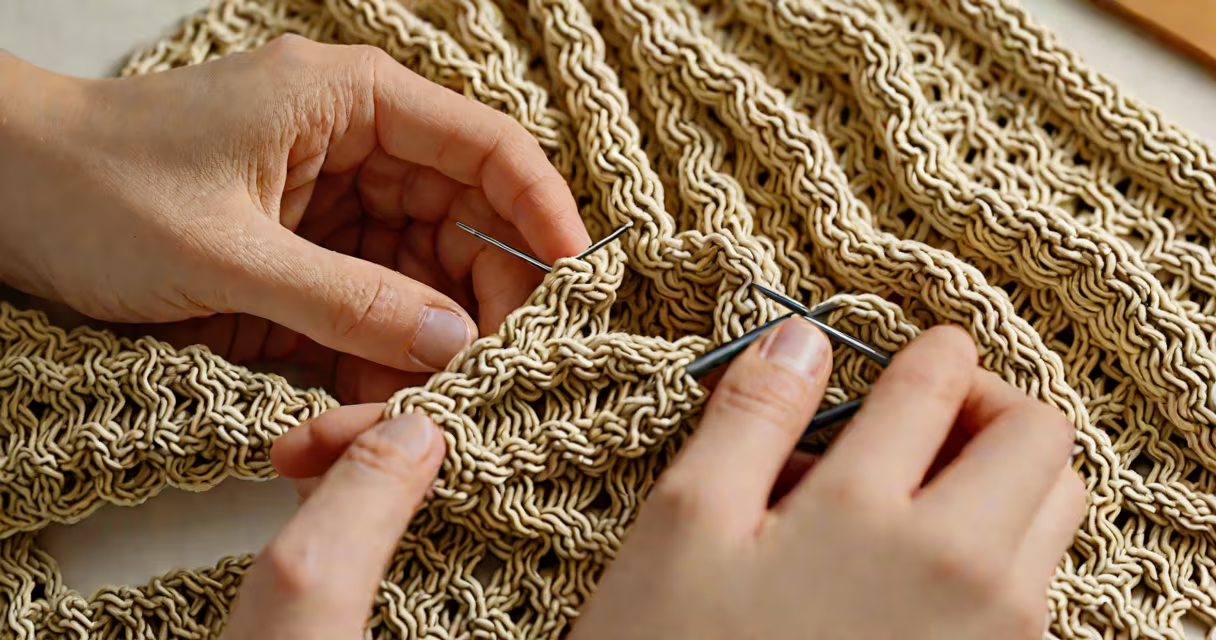
Crocheting a scarf begins with chaining stitches and building rows using basic crochet techniques like single crochet or double crochet. The result is a wearable piece of fabric made entirely from yarn and a hook, typically 60-70 inches long and 6-8 inches wide.
The process relies on consistent tension and repetition. Each row adds width, and each stitch maintains the structure. You don't need advanced skills-just a hook, yarn, and a few minutes per day. Most beginners complete a standard scarf in 5-10 hours depending on skill level and stitch choice.
For a finished look, many crocheters add a border or fringe. The entire project uses only two tools: a crochet hook and yarn. No sewing, no knitting needles. The only required knowledge is how to make a chain and a single or double crochet stitch.
How It Works: The Basic Mechanics
Crocheting a scarf follows a simple loop-and-pull motion. You start with a foundation chain-usually 20 to 30 chains for a medium-width scarf. Each subsequent row is worked into the vertical loops of the previous row, creating a flat, interlocking fabric.
Each stitch builds on the last. For example, in single crochet, you insert the hook into a stitch, pull up a loop, then yarn over and pull through both loops on the hook. This creates a tight, even texture ideal for scarves. Double crochet produces looser, drapey fabric and takes fewer rows to reach the desired length.
Most patterns alternate between working in the front loop only or both loops. Working in the front loop only creates a ribbed effect that adds texture and stretch. This method is often used in modern scarf designs for a subtle visual interest without extra complexity.
What It's Made Of: Materials and Tools
You need four core items: yarn, a crochet hook, scissors, and a mix needle. Yarn weight determines the final texture and time to finish. Worsted weight (medium #4) is recommended for beginners-it's easy to handle and doesn't stretch out of shape.
Hook size matters. A US size G/6 (4mm) hook pairs well with worsted yarn. Using a larger hook makes bigger stitches and faster progress, but the fabric may be too loose. A smaller hook creates tighter stitches but slows work. Always check the yarn label for recommended hook sizes.
Yarn types vary. Acrylic blends are affordable and machine-washable. Wool offers warmth and natural elasticity. Cotton is breathable but less stretchy. For a beginner, acrylic is best-resists splitting and holds shape well. Avoid novelty yarns (like metallic or fuzzy) until you've mastered the basics.
| Material | Best For | Yarn Weight | Hook Size |
|---|---|---|---|
| Acrylic blend | Beginners, washable projects | Worsted (#4) | G/6 (4mm) |
| Merino wool | Warmth, drape | DK (#3) | F/5 (3.75mm) |
| Cotton | Breathability, lightweight | Light (#2) | E/4 (3.5mm) |
Where and Why It's Used
Scarves are worn around the neck for warmth, fashion, or cultural expression. They're practical in cold climates and serve as accessories in mild weather. Crocheted scarves are especially popular because they're quick to make, customizable, and require minimal equipment.
Many people use them as gifts. A handmade scarf shows effort and personal touch. According to the Craft Yarn Council, 68% of U.S. crocheters have made a scarf as a gift. Projects take 5-10 hours, making them achievable during a weekend or evening session.
Some use scarves for therapeutic reasons. Repetitive motions in crocheting reduce anxiety. A 2021 study published in *The Journal of Positive Psychology* found that craft activities like crochet lowered cortisol levels by 16% in participants over 30-minute sessions.
Common Confusions and Mistakes
Beginners often mistake gauge for speed. A slow pace doesn't mean poor quality. Consistent stitch height matters more than how fast you go. Rushing leads to uneven tension, dropped stitches, and holes.
Another error is skipping the foundation chain. Without it, the edge curls or pulls inward. Always count your chains before starting the first row. A 24-chain base gives about 6 inches of width with worsted yarn and a G/6 hook.
People also assume all scarves must be rectangular. That's not true. Some designs use increases and decreases to create triangular or infinity shapes. But for learning, stick to straight rectangles. They're easier to measure and correct if mistakes happen.
Real Example: Making a 60-Inch Scarf
Here's a full breakdown using worsted acrylic yarn and a G/6 (4mm) hook:
- Chain 24 stitches (this equals ~6 inches wide).
- Turn. Work 1 single crochet into each stitch across the row. Do not turn.
- Chain 1 (to lift the hook high enough for the next row).
- Turn. Repeat Step 2 for 20 rows.
- Fasten off. Weave in ends with a mix needle.
This results in a 60-inch-long, 6-inch-wide scarf. It takes about 7 hours at a steady pace. The stitch count remains constant-no increases or decreases. This keeps the edges straight and the fabric uniform.
I made this exact pattern during a winter break. I used a red acrylic yarn and a wooden hook. After finishing, I blocked the scarf by wetting it, laying it flat, and pinning the corners. The fabric relaxed and the edges straightened. Blocking improved the look.
What It's Not: Common Misconceptions
Crocheting a scarf is not the same as knitting. Knitting uses two needles and alternates knit and purl stitches. Crocheting uses one hook and builds each stitch individually. The textures differ-knitted fabric is smoother; crocheted fabric has visible bumps.
Also, "crochet" doesn't mean "fancy." While lace and textured patterns exist, a basic scarf uses only single or double crochet. You don't need to learn complex stitches like shells or clusters. Focus on consistency, not decoration.
A common myth is that you need expensive supplies. You don't. A $3 hook and $5 skein of yarn make a complete project. Quality improves with practice, but cost doesn't determine success.
Final Tips and Next Steps
Start with a simple pattern. Avoid color changes or shaping until you've completed at least three rows without dropping stitches. Keep a notebook to track progress and fix errors early.
Mastering how to crochet a scarf gives you access to a lifelong creative outlet. With practice, you'll recognize patterns, fix mistakes quickly, and adapt designs. The technique applies to blankets, hats, and bags. Once you understand the rhythm of the hook and yarn, the possibilities grow.