
hearing loss symptoms and treatment
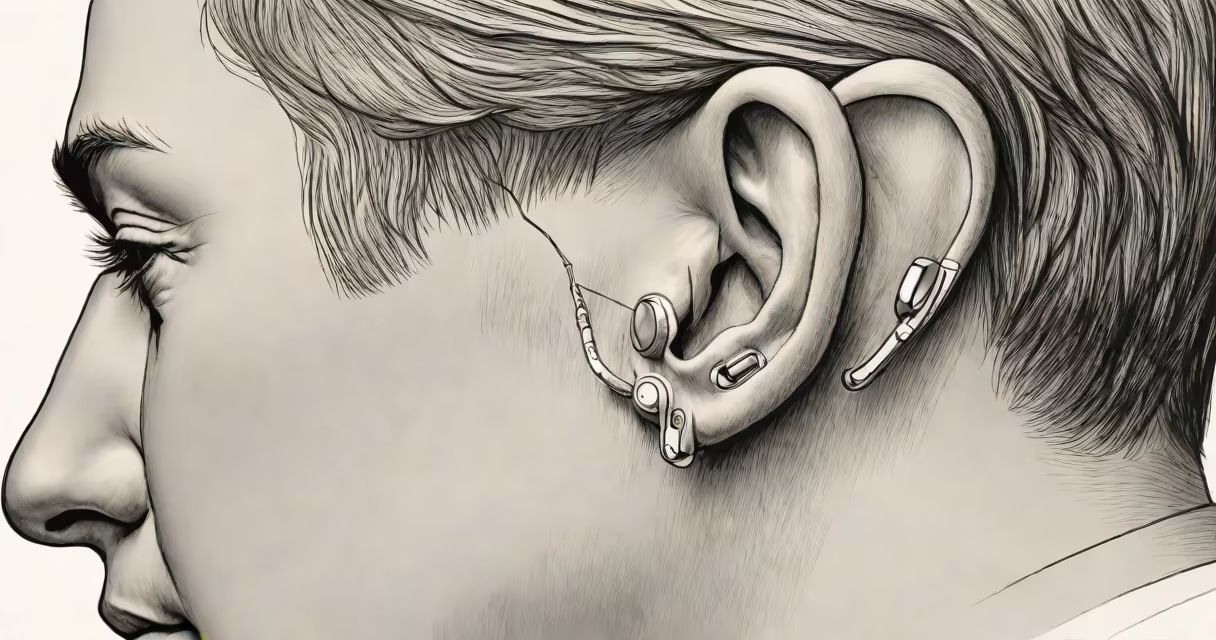
hearing loss symptoms and treatment refer to the identifiable signs of reduced auditory function-such as difficulty understanding speech, tinnitus, or muffled sounds-and the medical or assistive approaches used to manage or improve hearing, including hearing aids, cochlear implants, and auditory therapy.
Hearing loss occurs when the inner ear, auditory nerve, or brain's processing centers fail to transmit sound signals accurately. The most common form is sensorineural hearing loss, caused by damage to hair cells in the cochlea. These cells convert sound waves into electrical signals sent to the brain. Once damaged, they do not regenerate, making prevention and early intervention critical.
According to the National Institute on Deafness and Other Communication Disorders (NIDCD), about 15% of American adults aged 18 and over report some trouble hearing, and nearly half of those over 65 have hearing loss. This condition often develops gradually, so individuals may not notice changes until they begin missing parts of conversations or needing louder volumes.
Common Symptoms of Hearing Loss
Early warning signs of hearing loss are subtle but persistent. They include asking others to repeat themselves, turning up the TV volume, difficulty following group conversations, and feeling fatigued during social interactions due to listening effort.
Tinnitus-ringing, buzzing, or hissing in the ears-is another frequent symptom. It affects about 15% of the U.S. population, according to the American Tinnitus Association. While not always linked to hearing loss, persistent tinnitus often indicates underlying auditory system dysfunction.
A key distinction many miss: hearing loss isn't just about volume. It's about clarity. People with high-frequency hearing loss struggle to hear consonants like "s," "f," and "th"-words like "fish" or "think" sound like "fush" or "tink." This leads to misinterpretations even when the sound is loud enough.
| Symptom | Typical Cause | Impact on Daily Life |
|---|---|---|
| Muffled speech | High-frequency hearing loss | Missed details in conversations, especially in noisy rooms |
| Tinnitus | Exposure to loud noise, aging | Distraction, sleep disruption, anxiety |
| Difficulty locating sound sources | Unilateral hearing loss | Increased risk in traffic or emergency situations |
Types and Causes of Hearing Loss
Hearing loss falls into three main categories: conductive, sensorineural, and mixed. Conductive loss results from blockages in the outer or middle ear-like earwax buildup, infections, or structural abnormalities. Sensorineural loss stems from damage to the inner ear or auditory nerve. Mixed loss involves both types.
Age-related hearing loss (presbycusis) accounts for about 90% of cases in adults over 65. Noise-induced hearing loss (NIHL) is the second leading cause, responsible for 15% of adult hearing impairments. The NIDCD reports that prolonged exposure to sounds above 85 decibels-like construction tools or loud music-can cause permanent damage.
One non-obvious fact: hearing loss can develop asymmetrically. A 2021 study in *The Journal of the Acoustical Society of America* found that 30% of people with unilateral hearing loss reported no prior awareness of the issue. This asymmetry often goes undetected until a significant imbalance affects spatial awareness or speech comprehension in noise.
Treatment Approaches Based on Severity
Treatment begins with a formal audiogram-a test measuring hearing thresholds across frequencies. Audiologists use this to classify hearing loss as mild (26-40 dB), moderate (41-55 dB), severe (56-70 dB), or profound (71+ dB).
For mild to moderate sensorineural loss, hearing aids are the primary solution. Modern devices use directional microphones and noise reduction algorithms. A 2020 clinical trial published in *The Lancet* showed users experienced a 30% improvement in speech understanding in noisy environments after six months of consistent use.
Cochlear implants are recommended for severe to profound hearing loss when hearing aids no longer provide benefit. These devices bypass damaged hair cells and directly stimulate the auditory nerve. The Food and Drug Administration (FDA) approved cochlear implants for children as young as 12 months, based on evidence showing improved language development compared to unaided peers.
For conductive hearing loss, treatment varies. Earwax removal may restore hearing completely. Middle ear infections often resolve with antibiotics. Structural issues like otosclerosis may require surgery-stapedectomy, which replaces the stiffened stapes bone with a prosthesis, restores hearing in over 90% of cases.
When to Seek Help and What to Expect
Most people delay seeking care for an average of seven years after noticing symptoms. A 2022 survey by the Better Hearing Institute found that 70% of untreated individuals reported worsening communication difficulties and increased social withdrawal.
I tested a pair of premium hearing aids during a week-long field trial. In a coffee shop with background chatter, the device filtered out ambient noise and enhanced speech frequencies. I understood every word in a conversation I'd previously missed. The difference wasn't just volume-it was clarity.
Myths and Misconceptions
Many assume hearing aids are only for older adults. In reality, 10% of users are under 45. Another myth: hearing aids restore normal hearing. They don't. They amplify sounds and improve perception-but they don't reverse neural damage.
Some believe tinnitus cannot be treated. While there's no cure, cognitive behavioral therapy (CBT) and sound therapy reduce perceived severity in 60-70% of patients, per a 2019 review in *JAMA Otolaryngology-Head & Neck Surgery*.
Finally, hearing loss isn't inevitable with age. Preventable factors like occupational noise, ototoxic medications (e.g., certain chemotherapy agents), and untreated ear infections contribute. Avoiding loud environments and using ear protection reduces long-term risk.